
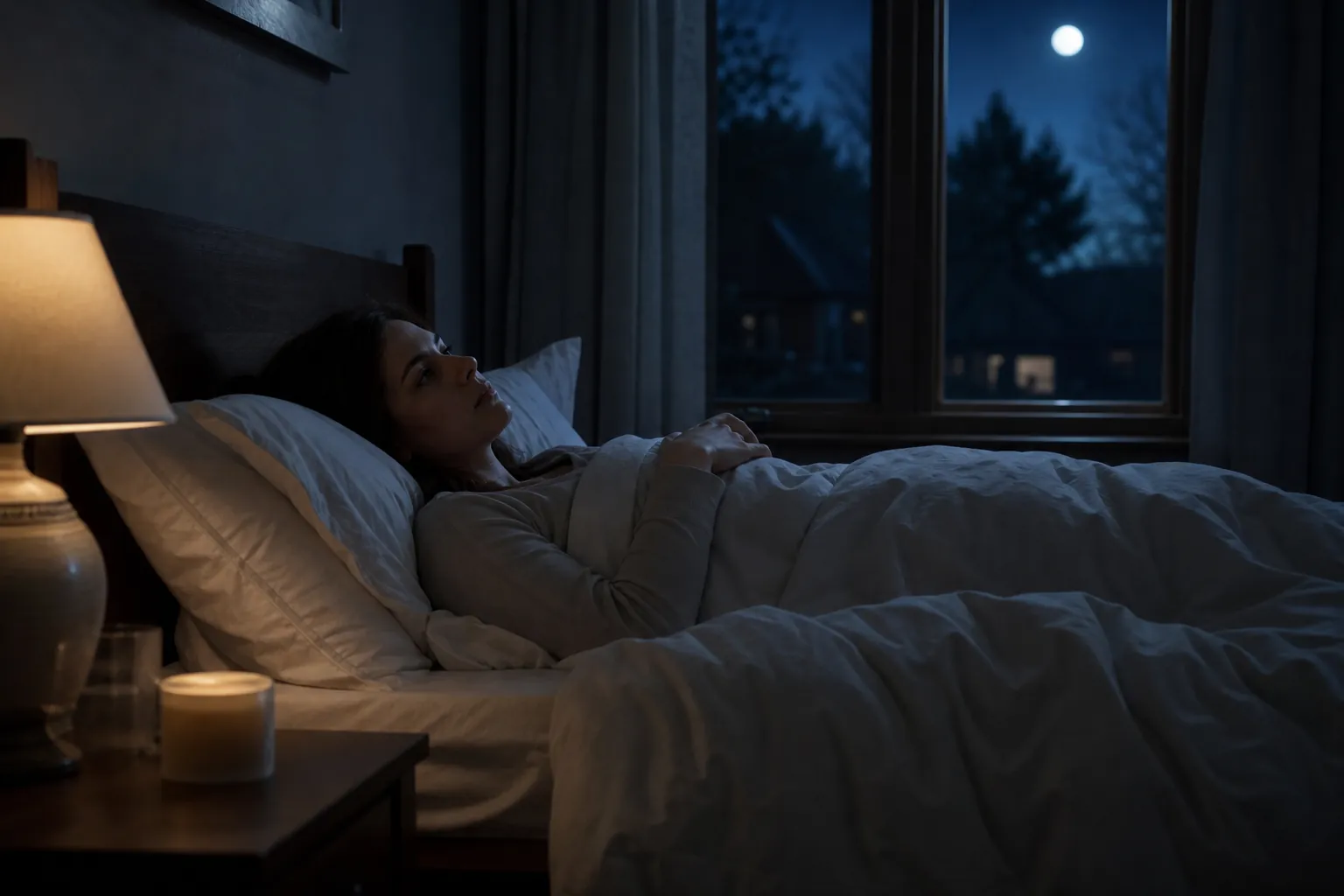
What Does A Body Clock Out Of Sync With Shift Work Mean?
A body clock out of sync with shift work means work hours clash with the usual sleep-wake cycle. NHLBI names night work and rotating schedules as settings for shift work disorder. Poor sleep can resemble insomnia and low energy, while mistimed rest relates to sleep deficiency. A schedule conflict alone is not a diagnosis.
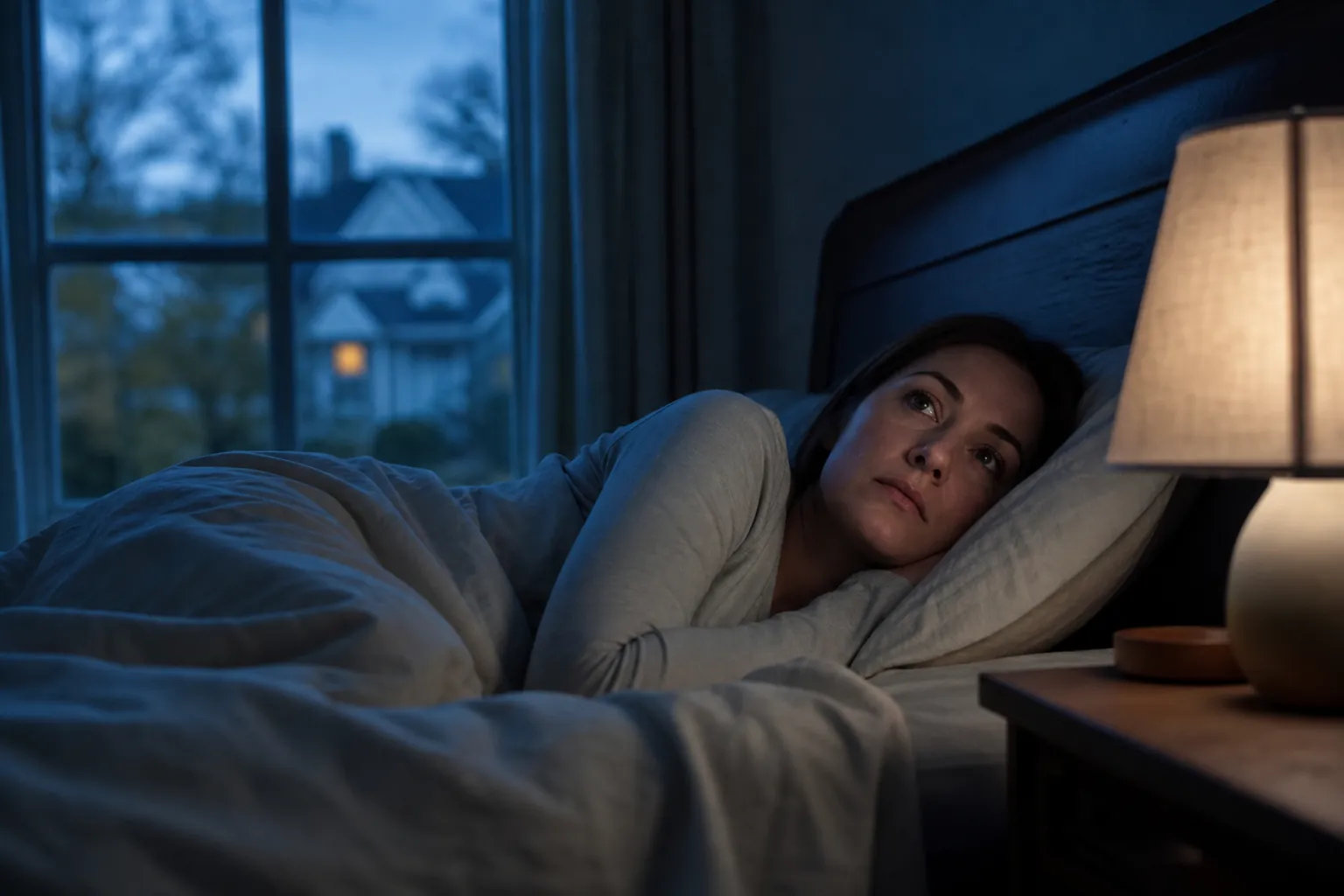
NHLBI describes the body clock as an internal cycle that repeats about every 24 hours. It tries to align sleep and waking with signals from the outside world. A night shift can require alertness while the usual day-night pattern points toward sleep. A rotating shift can move that work window again. The result can be a clash between the hours a person must be awake and the hours their body is ready to sleep.
The NHLBI types page describes shift work disorder among people who work at night or on a rotating schedule. It says their schedule can keep them from getting uninterrupted, good-quality sleep when their body needs it. Insomnia, extreme tiredness, and sleepiness while working at night are the effects named there. This is a narrower question than the general list of light, meals, and activity that help set the clock.
The same schedule may not affect every worker in the same way. NHLBI describes a possible disorder, not a diagnosis based solely on a job title. A person could work at night and still need an individual review of sleep, alertness, and daily function. The important distinction is whether the schedule and sleep pattern cause trouble, not whether someone has an unusual shift.
- Night or rotating work can place wake time outside the usual day-night pattern.
- NHLBI names insomnia, extreme tiredness, and sleepiness at night as possible effects.
- A work schedule alone does not establish a sleep disorder.
How Do Night And Rotating Schedules Differ?
Night work keeps the required wake period at night. Rotating work moves the required hours across shifts. NHLBI names both schedules in its description of shift work disorder. Either can make it hard to sleep when the body needs rest. This differs from consistently early sleep and sleep broken across the day.

A night schedule can set the same unusual work window again and again. A rotating schedule changes when that window begins. NHLBI does not state that one is safer or harder for every worker. It groups both because work hours can conflict with the timing of sleep and wakefulness. The common issue is whether the person can get enough uninterrupted, good-quality sleep and stay alert at the required time.
A person may describe the schedule as the main problem, yet the sleep experience is what deserves attention. Work hours tell a clinician when wakefulness is required. A sleep history tells them whether the person can rest, how sleepy they feel at work, and how the pattern affects life outside work. Those facts are more useful than assuming the shift type alone explains everything.
Other timing patterns can look different. NHLBI describes an advanced pattern with early evening sleepiness, an irregular pattern with several sleep periods, and a non-24 pattern that keeps drifting later. Night or rotating work has a different trigger: the demanded work window. That comparison helps keep a work-linked problem from being confused with every other kind of unusual bedtime.
Why Can Sleep Be Poor When The Shift Ends?
NHLBI says shift work can make uninterrupted, good-quality sleep hard to obtain when the body needs it. A person may be exhausted after work yet still struggle to sleep well. The trouble can resemble insomnia, but it differs from sleep timing that drifts later day by day. The work schedule remains central.
The clock does not simply obey a work roster. NHLBI explains that internal timing responds to environmental cues and can fall out of step with outside demands. After a night shift, a person may have a chance to go to bed at a time that conflicts with that timing. The source does not prescribe a bedtime or light schedule, but it explains why the opportunity to sleep and the ability to sleep are different things.
Good-quality sleep means more than time spent in bed. The shift work description focuses on whether sleep is uninterrupted and restorative enough for the person to function. That can matter even when the worker believes the total hours look reasonable. The concern may become clearer through the pattern of tiredness and alertness at work and at home, rather than by a single night’s clock time.
A work-linked sleep problem can also coexist with another reason for poor sleep. NHLBI’s general page says sleep disruption can have different causes, including habits, jobs, travel, aging, genes, or a medical condition. A clinician can consider those possibilities. The presence of shift work should not turn every sleep complaint into one fixed explanation.
- An available sleep window does not always produce uninterrupted sleep.
- Quality and alertness matter alongside a reported number of hours.
- Other causes can coexist with a demanding work schedule.
What Can Sleepiness During Night Work Affect?
NHLBI names sleepiness while working at night as a possible shift work disorder symptom. Its overview connects circadian disruption with lower alertness and trouble with memory or decisions. Those effects relate to sleep and daily energy and can resemble broader sleep deficiency. A person’s work demands give the effects practical weight.
Sleepiness during a night shift is more than a dislike of the hours. It can make attention harder to sustain during tasks that require focus. NHLBI names decreased alertness, memory problems, and decision-making trouble as possible effects of circadian disruption. These are broad effects, not proof of a particular disorder. Their importance depends on what the person is doing and how often the pattern occurs.
NHLBI also warns that untreated circadian disorders can contribute to workplace or road accidents. That statement makes safety part of the discussion when sleepiness is marked. It does not establish that a specific worker will have an accident. The point is to take serious loss of alertness seriously, especially around driving or tasks where an error could harm someone.
A worker’s experience may change across days. A night shift can be followed by time off, another night shift, or a rotation. NHLBI does not give a universal count of nights that defines a disorder. A clinician can review the actual schedule and pattern of symptoms. The relationship between work hours and sleepiness is the distinct question here.
How Is Shift Work Different From Social Jet Lag?
Shift work involves required night or rotating work hours. NHLBI describes social jet lag as later activities on weekends or days off and says it is not considered a disorder. The source also distinguishes social jet lag from a rhythm that keeps drifting later. These labels describe different reasons sleep timing may change.
The shared phrase jet lag can be misleading. Social jet lag refers to later activity on nonwork days compared with workdays. A night worker may also have days off, but the central shift-work issue is the work schedule itself. NHLBI lists the two descriptions separately. A person’s actual pattern can include more than one change, so a single label should not be chosen from one late night.
Travel jet lag is another distinct type on NHLBI’s page. It follows rapid travel across at least two time zones and a mismatch with local time at the destination. Shift work can occur without travel. The source says jet lag may be temporary; shift work disorder concerns the recurring demands of night or rotating work. These differences help explain why a late sleep time has to be understood in context.
A non-24 pattern is different again. NHLBI describes sleep times that gradually move later across days, sometimes with periods when the rhythm aligns and symptoms ease. The changing schedule in rotating work comes from job hours. A steadily drifting internal rhythm is another pattern. The distinction is not a self-test; it clarifies what details a health professional may need to assess.
How Can A Clinician Assess A Work-Linked Pattern?
A clinician can review sleep habits, work hours, and daytime effects when shift work seems linked to poor sleep. NHLBI says doctors may suggest a sleep study or other tests for circadian concerns. The history also helps distinguish several irregular sleep periods from progressively later sleep timing. No one test follows automatically from a job title.
A sleep history gives the work roster a human context. It can show when the person tries to sleep, whether sleep is interrupted, when tiredness is worst, and whether those experiences change with the shift pattern. NHLBI says doctors ask about sleep habits when assessing circadian disorders. The information can help them decide whether the issue follows work hours or points to another sleep or health concern.
NHLBI mentions sleep studies and other diagnostic tests as possibilities, not as requirements for everyone. The clinician’s choice depends on the type and cause under consideration. A night worker with poor sleep should not be told from a general article that one named test is necessary or that a search phrase already identifies the condition. The review brings the schedule, symptoms, and daily impact together.
The comparison with other patterns remains useful. Several short sleep periods across day and night may fit an irregular pattern in NHLBI’s description. A bedtime that moves steadily later can indicate a non-24 pattern. A stable early or late main sleep period raises different questions. Recognizing these differences makes the work-linked hypothesis more precise without turning an article into a diagnosis.
- Work hours show when alertness is required, while sleep history shows what happens afterward.
- NHLBI describes sleep studies and other tests as possible parts of assessment.
- A schedule pattern and a clinical diagnosis remain different facts.
When Does A Shift-Linked Sleep Problem Need Attention?
A work-linked sleep problem deserves clinical attention when poor sleep, extreme tiredness, or night-shift sleepiness disrupts daily life. NHLBI connects circadian problems with reduced alertness and possible road or work accidents. Insomnia and daily energy and sleep deficiency are related concerns, but the work schedule needs its own review.
The need for help is based on the effect of the problem, not on proving a disorder in advance. NHLBI says circadian disruption that interferes with daily activities may signal a disorder. Its shift-work description names insomnia, extreme tiredness, and sleepiness during night work. A health professional can review the pattern and decide what assessment or care is appropriate for the person.
Safety can become the immediate concern when alertness is sharply reduced. NHLBI warns about road and workplace accidents associated with untreated circadian problems. The source does not give a personal risk score. Still, marked sleepiness around driving or hazardous tasks should not be dismissed as a routine cost of a job. Urgent medical needs should be addressed through appropriate care.
MVBH’s verified services are adult outpatient mental health care. The facility facts do not establish shift-work sleep assessment or a sleep specialty. A person can discuss a sleep-specific concern with a health professional. For separate questions about MVBH outpatient mental health services, the verified phone is 978-233-9597. A work schedule alone does not indicate a particular mental health program.
For sleep concerns affecting daily life, a health professional can assess the pattern. For separate questions about MVBH adult outpatient mental health care, call 978-233-9597.
Frequently Asked Questions
Does Working A Night Shift Mean I Have Shift Work Disorder?
No. NHLBI names night work as a setting in which the disorder can occur, but a job title is not a diagnosis. The sleep pattern, alertness, and effect on daily life need assessment.
Can Rotating Shifts Affect Sleep Even Without Travel?
Yes. NHLBI names rotating schedules in its shift-work description. The issue is the changing work window and whether it prevents uninterrupted, good-quality sleep when the body needs it. Travel is not required.
Is Shift Work The Same As Social Jet Lag?
No. NHLBI describes social jet lag as later activities on weekends or days off and does not call it a disorder. Shift work concerns night or rotating job hours. A person may experience more than one schedule change.
Why Can I Feel Tired After Time In Bed?
Time in bed does not by itself show whether sleep was uninterrupted or good quality. NHLBI says shift work can interfere with sleep when the body needs it and can cause extreme tiredness.
Does MVBH Offer Shift Work Sleep Treatment?
The verified MVBH facts establish adult outpatient mental health care, not a shift-work sleep specialty. A health professional can assess a sleep-specific concern. MVBH can answer separate questions about its outpatient services.
Sources
Editorial status
Approved by Clinical Staff
Written by Tim Francis. This guide is educational. Read our clinical review and sources policy.
