

What Is A Non-24-Hour Sleep Rhythm?
A non-24-hour sleep rhythm is a sleep pattern that falls out of sync with the daily cycle. Sleep times may move progressively later rather than stay at a fixed hour. Separate mental health care topics include PHP and IOP care differences and choosing outpatient mental health care.
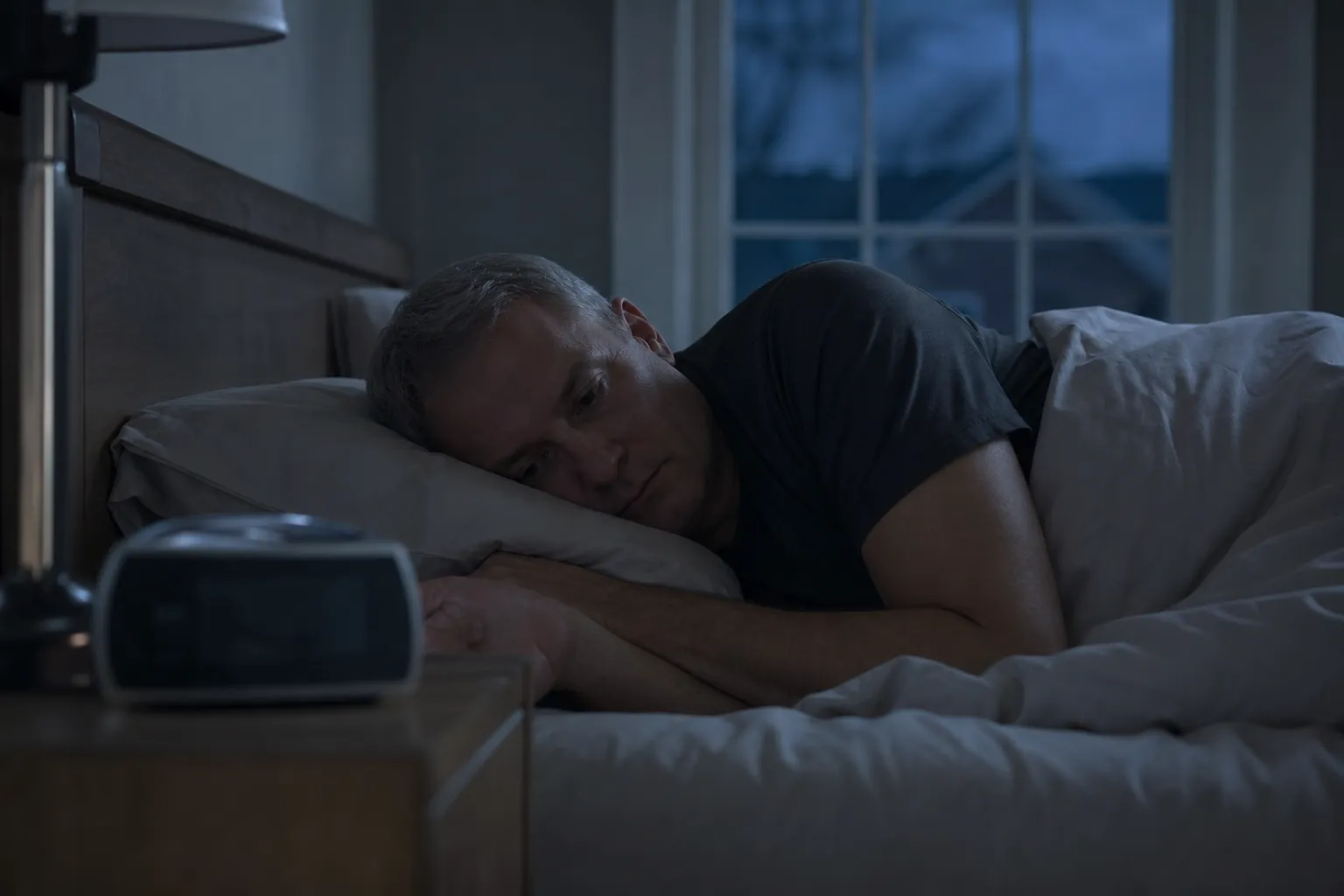
Circadian rhythm means the body's daily timing pattern. A sleep-wake rhythm describes when you sleep and stay awake. In the pattern described by the NHLBI, sleep timing doesn't remain aligned with the usual day.
The central feature is movement across time. A late bedtime alone doesn't show that movement. Going to sleep late each night differs from sleep that keeps moving later.
The NHLBI gives a clear example of how far sleep can shift. A person may eventually fall asleep at noon instead of at night. That example illustrates the pattern, rather than setting a test everyone must meet.
The phrase describes timing, rather than a particular number of sleep hours. It doesn't mean someone stays awake around the clock. It also doesn't describe every night when sleep feels difficult.
One disrupted night cannot show a gradual pattern by itself. The useful distinction is how sleep timing changes across days. A clinician can consider that pattern without relying on a search term alone.
How Does Sleep Timing Drift Across The Day?
Drifting sleep timing means sleep may begin progressively later as days pass. The shift can eventually place sleep in daytime hours instead of nighttime hours. For separate mental health needs, mental health day treatment in Massachusetts and intensive care in an outpatient setting for adults explain care formats, not sleep diagnoses.
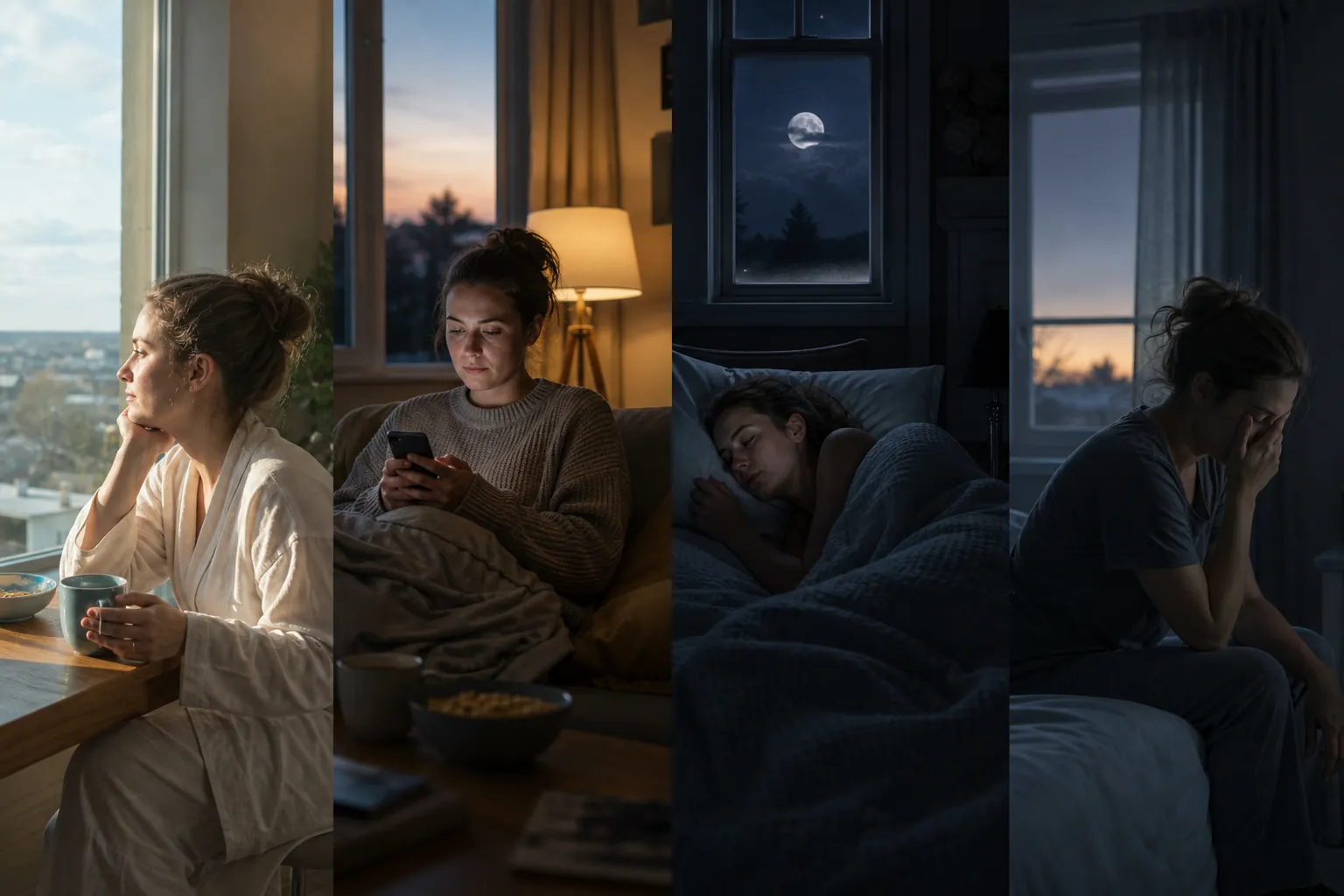
Think about movement rather than a single clock reading. A bedtime that stays late has a different shape from one that keeps shifting. Both can be hard to manage, but they aren't the same pattern.
The NHLBI says sleep times may gradually become more delayed. The source doesn't give one required amount of daily change. There is no need to fit your experience into a made-up rate.
A description such as 'my sleep keeps moving later' captures the main concern. 'I went to bed late last night' describes one event. Neither statement alone establishes a diagnosis.
- A gradually shifting bedtime differs from a late bedtime that stays similar.
- Sleep may move far enough that the main sleep period occurs during daytime.
- A single late night does not establish a pattern of ongoing sleep drift.
- The NHLBI description does not set one required amount of daily delay.
Why Can Symptoms Come And Go?
Symptoms can ease when a drifting sleep rhythm temporarily matches the surrounding day. The NHLBI describes trouble sleeping and daytime sleepiness between periods without symptoms. Separate resources on choosing outpatient mental health care and intensive care in an outpatient setting for adults address mental health support, not confirmation of a sleep disorder.
Insomnia means trouble sleeping. With this rhythm pattern, insomnia and daytime sleepiness may occur during some periods. Other periods may bring no symptoms because sleep timing happens to line up with the environment.
That changing fit is an important part of the NHLBI description. Symptoms don't have to feel the same every day. A stretch of easier sleep doesn't, by itself, explain the larger pattern.
Picture sleep timing moving into hours that fit nighttime for a while. Later, sleep may again fall at hours that don't fit. This illustrates changing alignment, rather than a fixed schedule or predicted timeline.
A symptom-free stretch is real, even when sleep later shifts again. It needn't be dismissed as imaginary or unimportant. At the same time, that stretch doesn't establish that the timing issue has ended.
The source doesn't specify how long each period lasts. It also doesn't predict how often symptoms will return for one person. Those limits matter when comparing your own sleep with a general description.
- Trouble sleeping may occur when the sleep rhythm doesn't match the environment.
- Daytime sleepiness may occur during periods when sleep timing is out of sync.
- Periods without symptoms may occur when sleep timing aligns with the environment.
- A change in symptoms alone does not establish a personal diagnosis.
How Is Drifting Sleep Different From Other Patterns?
Drifting sleep differs from consistently late sleep and from several short sleep periods. NHLBI separates these patterns because their timing features differ. Mental health resources such as mental health day treatment in Massachusetts and choosing outpatient mental health care serve a different purpose from identifying a sleep rhythm disorder.
Delayed sleep-wake phase disorder involves falling asleep later than desired. Waking on time in the morning may be difficult. The defining contrast here is late timing versus timing that gradually moves later.
Advanced sleep-wake phase disorder goes in another direction. A person may struggle to stay awake in the early evening. Waking too early in the morning can follow.
Irregular sleep-wake rhythm disorder involves several short periods of sleep and wakefulness. The NHLBI describes nighttime sleep trouble and multiple daytime naps. Sleep may not leave the person feeling rested.
These are broad distinctions, not a self-diagnosis checklist. A person may use 'irregular' to mean any unwanted schedule. In the source, irregular sleep-wake rhythm has a more specific meaning.
The table compares the source's timing descriptions. It doesn't rank conditions by severity or suggest a treatment. Similar everyday complaints can still require different clinical explanations.
| Pattern | Main Timing Feature | Useful Distinction |
|---|---|---|
| Non-24-hour rhythm | Sleep gradually shifts later | Timing moves across the day |
| Delayed sleep phase | Sleep begins later than desired | Late timing, rather than ongoing drift |
| Advanced sleep phase | Early sleep and early waking | Timing is too early |
| Irregular sleep rhythm | Several short sleep periods | Sleep is split into multiple periods |
| Social jet lag | Later timing on days off | Not considered a disorder |
What Role Do Light Exposure And Blindness Play?
The NHLBI says this rhythm disorder often occurs with very limited light exposure. The condition is common in people who are completely blind. Separate information about intensive care in an outpatient setting for adults and mental health day treatment in Massachusetts does not establish a cause or treatment for drifting sleep.
This source connects the pattern with very limited light exposure. It also names complete blindness as an important context. These are general statements about the condition, not conclusions about any one reader.
The word 'common' does not mean every person who is completely blind has this disorder. The source also doesn't state that complete blindness is required. Neither assumption should replace a clinical assessment.
Likewise, noticing limited light exposure doesn't establish why your sleep has changed. A general association cannot confirm a personal cause. Sleep timing still needs to be considered as a pattern.
This distinction also matters when reading about light-based remedies online. The supplied NHLBI passage describes types of sleep rhythm disorders. It doesn't provide a light treatment schedule or instructions for changing exposure.
There is no treatment dose or timing plan to copy from this description. The same limit applies to supplements and medicines. Discuss treatment choices with a clinician rather than treating a type description as a prescription.
The useful takeaway is narrow and clear. Very limited light exposure and complete blindness are relevant context. They don't turn an online symptom match into a confirmed diagnosis.
Could Weekend Changes Or Travel Explain The Pattern?
Weekend schedule changes and travel can produce sleep timing problems without establishing a drifting rhythm disorder. NHLBI describes social jet lag and travel-related jet lag separately. For unrelated mental health care decisions, see choosing outpatient mental health care and intensive care in an outpatient setting for adults rather than using schedule changes to select care.
Social jet lag can occur when activities happen much later on days off. The contrast is between those days and usual workdays or weekdays. The NHLBI explicitly says social jet lag isn't considered a disorder.
Travel-related jet lag follows travel across multiple time zones in a short period. Sleep timing falls out of sync with local time at the destination. The NHLBI describes this as often temporary.
Shift work disorder is another separate category. It affects people who work at night or on rotating schedules. Their work schedule can interfere with uninterrupted sleep when their body needs it.
These examples show why context matters. A changing clock time for sleep doesn't always mean the same thing. Travel, work schedules, and later days off have their own descriptions in the source.
The key is to avoid treating all schedule changes as interchangeable. An event-linked change differs from sleep that progressively moves later. A clinician can help sort out which description fits.
- Social jet lag describes later timing on days off than on usual workdays.
- Travel-related jet lag involves sleep timing that conflicts with a destination's local time.
- Shift work disorder relates to working during nighttime hours or on rotating schedules.
- Progressive sleep drift is a different description from these event-linked schedule changes.
When Should You Seek Help For Shifting Sleep?
Seek clinical help when shifting sleep is troubling or hard to understand. A symptom description can guide a discussion, but cannot establish a diagnosis. Choosing outpatient mental health care and mental health day treatment in Massachusetts address separate care decisions; neither confirms that a particular sleep disorder is present.
You don't need to settle on the right label before seeking help. A plain description of sleep moving later is enough to start. There is no need to complete a home test before making contact.
A clinician can consider the pattern rather than one isolated night. The useful distinction remains timing across days, not a perfect match to an example. The NHLBI overview cannot determine your diagnosis or treatment.
Sleep concerns and mental health concerns can both deserve attention. One label should not be used to explain every symptom without assessment. General sleep education also doesn't establish which mental health care format fits.
MVBH provides outpatient mental health services, not emergency or overnight care. These verified services don't establish a sleep disorder specialty. Sleep-specific assessment and any mental health admission decision remain separate questions.
New or severe concerns may need urgent clinical assessment rather than routine planning. NIMH's help guidance distinguishes crisis support from emergency care. Don't wait for a program admission when immediate help is needed.
Call 911 for immediate danger or a medical emergency, or call 988 for the Suicide and Crisis Lifeline. Crisis support does not replace emergency care when danger is immediate.
Questions about next steps? Call MVBH at 978-233-9597 or review php.
Frequently Asked Questions
Does non-24 mean staying awake for a full day?
No, the term describes sleep timing that isn't aligned with the daily cycle. It doesn't mean a person must remain awake for a full day. The NHLBI describes sleep that may gradually move later, sometimes into daytime hours. The defining issue is the changing timing pattern, rather than one required stretch of wakefulness.
Must sleep reach noon for the description to apply?
No, noon is an example in the NHLBI description, not a required checkpoint. The example shows how far sleep timing may shift. A person shouldn't wait for that exact bedtime before discussing a troubling pattern. The source does not provide a single clock time that confirms the condition.
Can I work out the diagnosis from my bedtime alone?
No, a bedtime alone cannot establish a sleep rhythm diagnosis. The NHLBI distinguishes types by patterns of sleep and wakefulness. Late sleep, split sleep, and gradually shifting sleep are different descriptions. An online comparison can help you name a concern, but clinical assessment is needed to determine what explains your experience.
Does an easier week of sleep erase the concern?
No, an easier stretch doesn't by itself explain or rule out a drifting sleep pattern. NHLBI describes periods without symptoms when the rhythm happens to align with the environment. That doesn't prove a diagnosis either. The broader pattern matters more than treating one good or difficult stretch as the whole story.
Does the NHLBI types page tell me how to reset sleep?
No, the supplied NHLBI types page describes patterns rather than a personal treatment plan. It doesn't give instructions for timing light, taking supplements, or changing medicines. Those steps shouldn't be inferred from the description. A clinician can discuss treatment after considering the sleep concern, rather than relying on a label found online.
Sources
Editorial status
Approved by Clinical Staff
Written by Tim Francis. This guide is educational. Read our clinical review and sources policy.
