

How Does A New Caregiver Affect Mental Health PHP In MA?
When a caregiver changes during PHP, tell the care team and ask how to update the person’s support permissions. MVBH calls its PHP service Full Day Treatment, in a non-hospital setting. For care options, see Full Day Treatment PHP details and Half Day Treatment IOP options.

A change in caregiving can affect rides, reminders, and help at home. It can also change who a person wants involved in care talks. The person receiving care should guide those choices when possible.
Start by telling the care team that the support person has changed. Ask how to update the current permission form and contact details. The team can explain its process and what information it can share.
A new caregiver may need practical details, such as when support is needed. That does not mean the person needs access to every care detail. The person can consider what help they want and what information feels right to share.
Before a transition, write down useful tasks and key contacts. Keep the note focused on support needs, not private clinical details. Share it only with people the person wants involved.
MVBH offers outpatient PHP, IOP, and outpatient care. The right service depends on an assessment and separate admission steps. A caregiver change alone does not decide which service fits.
- Tell the care team when the support person or their contact details change.
- Ask how to update permission for sharing information.
- Decide which practical tasks the new caregiver will handle.
- Keep private records and login details under the person’s control.
What Can a New Caregiver Learn About Care?
A new caregiver can receive information only within the person’s choices and the rules that apply. Permission to share information does not automatically make a caregiver a legal decision-maker. Read about Full Day Treatment PHP details and Half Day Treatment IOP options while keeping each person’s role clear.
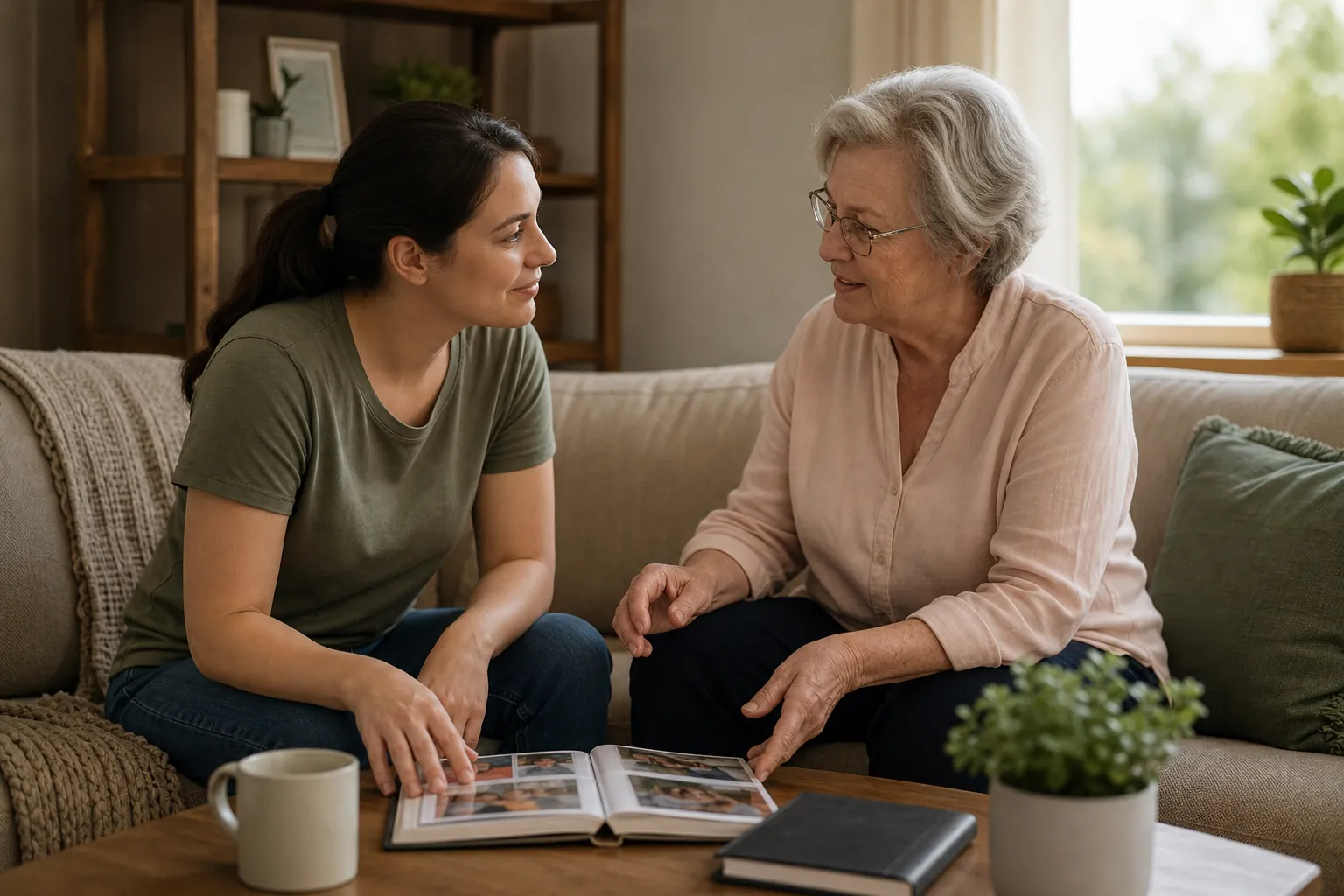
Privacy rules can allow a person to name someone for specific information sharing. The person may set limits on who can hear details and what may be shared. The care team can explain what a current form allows.
Sharing a care schedule or a plan for rides may meet a practical need. A caregiver may not need notes, diagnoses, or other private details to help with daily tasks. The person can decide what to share, within the rules that apply.
A signed permission form and legal authority are different things. A caregiver does not become a health care proxy or legal representative just by helping with care. Those roles depend on separate legal steps and documents.
If a former caregiver should no longer receive information, tell the care team. Ask how to change or end that person’s permission. Do not assume that a new caregiver’s permission automatically removes an older one.
The federal privacy rules can allow certain disclosures, but they do not create one blanket rule for every situation. The person and care team can review the specific permission on file. For general privacy details, see HHS guidance on mental and behavioral health information.
How Does Caregiver Planning Differ Across Care Settings?
Caregiver planning can change with the type of outpatient service, but permissions remain a separate issue. MVBH offers Full Day Treatment (PHP), Half Day Treatment (IOP), and outpatient care. Compare Full Day Treatment PHP details with Half Day Treatment IOP options when planning practical support.
The service name can help a caregiver understand the broad care setting. It does not tell a caregiver what private information they may receive. That depends on the person’s permission and the rules that apply.
MVBH uses Full Day Treatment for PHP and Half Day Treatment for IOP. PHP at MVBH is non-hospital care. A hospital’s outpatient PHP may refer to a different setting, so the name alone may not explain the service.
The table shows MVBH’s service names and a planning point for a support person. It does not list schedules or predict how much help one person will need. The care team can explain details for an individual service.
| Service | MVBH name | Caregiver planning point |
|---|---|---|
| PHP | Full Day Treatment | Plan agreed support and contact permissions |
| IOP | Half Day Treatment | Review practical support needs |
| Outpatient care | Outpatient care | Confirm what help the person wants |
| Virtual IOP | Virtual IOP | Plan for privacy during sessions |
How Can a Caregiver Change Affect Work Leave?
A caregiver change may affect work plans, but a leave request depends on the person’s situation and applicable rules. Federal FMLA protections have eligibility requirements. For service context, review Full Day Treatment PHP details and Half Day Treatment IOP options, then check leave rules with the right source.
A person may need time away from work for care or treatment. The federal Family and Medical Leave Act, or FMLA, can cover some qualifying situations. Eligibility depends on the law’s rules and the person’s work situation.
A change in who provides support does not by itself show that someone qualifies for leave. The Department of Labor explains federal FMLA rights for mental health conditions. State leave rules may differ and need separate review.
Keep work details separate from care permissions. A workplace does not become part of a person’s care team because a leave request is made. The person can decide what information to share with an employer, subject to relevant rules.
If paperwork is needed, ask the employer or the right benefits contact what forms apply. The care team can explain what information it can provide under its policies and the person’s permissions. Avoid sharing more private information than the process requires.
A new caregiver may be able to help with practical tasks while the person handles work steps. Agree on what the caregiver should do and what should stay private. Do not treat a care service or benefits review as approval for work leave.
- Check federal FMLA eligibility rules with the Department of Labor.
- Review state leave rules separately from federal protections.
- Ask the employer which forms apply to the request.
- Share only information needed for the leave process.
How Should a New Caregiver Plan for Virtual IOP?
For Virtual IOP, a caregiver can help with planning while respecting the person’s privacy during sessions. MVBH’s virtual participants must be physically in Massachusetts during sessions. Review Virtual IOP in Massachusetts and Half Day Treatment IOP options for service context.
A caregiver can help the person plan a quiet place for a virtual session. The person should choose who can hear or see the session. The caregiver’s presence is not automatic just because they provide support.
Before a caregiver transition, agree on any help needed with the space, device, or routine. Keep the person in charge of private information and access to personal accounts. Do not share login details unless the person chooses to do so.
MVBH states that virtual participants must be physically in Massachusetts during sessions. A caregiver’s location does not replace that participant requirement. A person who expects to be outside Massachusetts should contact the care team about the service details.
Virtual care can raise privacy questions at home. Other people may be nearby, so the person can plan where to take part. A caregiver can help reduce interruptions without joining or listening to a session.
Caregivers can also help with practical follow-through if the person wants that support. For example, they may help set a reminder or arrange a ride for another appointment. The person should decide what role feels useful.
- Choose a session space that supports the person’s privacy.
- Keep personal accounts and device access under the person’s control.
- Plan practical help without assuming the caregiver will join sessions.
- Confirm Massachusetts location requirements before planned virtual sessions.
What Happens When Caregiver Roles Change During Review?
A caregiver change does not replace benefits review, assessment, or admission steps. Coverage varies by plan, and benefits verification is separate from admission. See insurance benefits verification and Full Day Treatment PHP details for related service information.
A person can tell the care team about a new support person while benefit details are being checked. The care team can explain what information it needs and how permission works. Updating a contact does not decide coverage or admission.
Benefits verification can help clarify plan details, but it does not promise that a service will be covered. Plan terms and the specific care request matter. The person can contact the plan for questions about their benefits.
Assessment and admission are separate steps. A benefits check does not establish that a person is eligible for a particular service. The care team must review the person’s needs through its process.
Caregivers may help gather plan documents if the person wants help. Keep account passwords and private records secure. A person can share only the details needed for that task.
When Does a Caregiver Change Need Urgent Help?
A caregiver change needs urgent attention when a person may be unsafe or needs prompt clinical assessment. MVBH does not offer emergency or inpatient care. For outpatient context, see Full Day Treatment PHP details and Half Day Treatment IOP options, but do not wait for admission during a crisis.
A change in support can reveal that a person needs more help than a caregiver can provide. The right next step depends on the situation. Contact a qualified health professional or urgent assessment service when prompt clinical review is needed.
A crisis support line can help a person facing emotional distress or thoughts of suicide. Call 988 for the Suicide and Crisis Lifeline. That support is different from emergency response for immediate danger.
For immediate danger or a medical emergency, call 911 or go to emergency care. Do not wait for an outpatient intake, benefits review, or appeal to address immediate risk. MVBH is not an emergency service.
A caregiver can help by staying with the person when safe and helping connect them to urgent support. The caregiver should not take on a role beyond their ability. If there is immediate danger, use emergency care instead of trying to manage it alone.
The National Institute of Mental Health describes ways to find mental health help and urgent support. That general guidance does not show that a specific outpatient program can handle a crisis. Outpatient services and emergency care serve different needs.
Questions about next steps? Call MVBH at 978-233-9597 or review admissions and care information.
Frequently Asked Questions
Can a new caregiver join a care conversation without permission?
A caregiver should not assume they can join a private care conversation. The person can tell the care team whom they want involved and what information may be shared. The care team can explain the current permission and any limits that apply.
How can someone stop sharing information with a former caregiver?
Tell the care team that the person wants to change or end the former caregiver’s permission. Ask how to update the form or other record on file. A new caregiver’s permission may not remove an older permission by itself.
Does caregiver permission give someone power to make health decisions?
No. Permission to receive information and legal authority to make decisions are different roles. A person who wants someone else to have legal authority should review the rules and documents that apply with an appropriate legal resource.
Can a caregiver get copies of all care records?
A caregiver does not automatically receive all records. What can be shared depends on the person’s permission and the rules that apply. The person can discuss the scope of a request with the care team and choose what support they want.
Does benefits verification mean the person can start PHP?
No. Benefits verification and admission are separate. Coverage varies by plan, and a review does not promise coverage or admission. The care team must complete its assessment and admission steps, while the plan determines applicable benefits.
