77 Elm St, Amesbury, MA 01913 978-233-9597
Verify Insurance Admissions Mon–Fri · 9AM–6PM

Planning a private Massachusetts space for virtual care

Create a private, practical setup for participating in virtual care while physically present in Massachusetts.

A workable care space does not have to look perfect. It should support privacy, reliable participation and open conversation. For LGBTQ+ adults, planning may also involve names, pronouns or personal topics that are not safe or comfortable to share within earshot of others.

You can ask questions before deciding on care.

Person seated at a table with a laptop, notebook, mug, water, and potted plant. Illustrative image
A starting point

A workable virtual care space is a private Massachusetts location with a stable internet connection and limited interruptions. For an LGBTQ+ adult, privacy may include protecting identity-related conversations. Read about care for LGBTQ+ adults and Virtual IOP participation. You must be physically present in Massachusetts for every virtual session. Ask admissions to confirm current space requirements, technology needs, location checks and what to do if privacy or connection problems arise. Call 911 for immediate danger; for suicidal thoughts or emotional distress, call or text 988.

What makes a space workable for Virtual IOP?

A workable space supports private conversation, steady participation and physical comfort without requiring a dedicated office. Start by considering subjects relevant to LGBTQ+ mental health care, then compare those needs with the participation expectations described for MVBH’s virtual program. You must be in Massachusetts during every session, even if your usual home is there.

Limit overheard conversation

Check doors, shared walls and normal household movement while speaking at the volume you expect to use.

Support open conversation

Consider whether names, pronouns, relationships or identity-related concerns could be discussed without unwanted disclosure.

Reduce interruptions

Look for a stable seat, device power, water and enough separation from chores, visitors and routine interruptions.

Explore privacy factors

Federal guidance recommends a quiet place with internet access where you feel comfortable speaking openly. Use its telehealth preparation guidance to consider a room’s privacy and access.

For an LGBTQ+ adult, privacy may include protecting identity-related conversations. Choose a private Massachusetts location with a stable connection, consider who may enter and ask admissions to confirm MVBH’s current space requirements.

Choosing a realistic private space

A useful location offers privacy that can continue throughout a live session. MVBH offers group therapy and individual therapy, but assessment and individual planning determine the proposed care format. Ask admissions to confirm expected spoken or visual participation before making arrangements.

Private room at home

A room with a closing door may work if household noise and interruptions can be managed. Test whether conversations remain audible in adjacent areas before relying on it.

Shared household room

This may be possible when other people can reliably avoid the area. Discuss boundaries, screen visibility and calendar language without disclosing more about your care than you want.

Alternative indoor space

A private Massachusetts location may be possible if home is unsuitable. MVBH has not identified accepted alternatives or whether advance approval is required here, so confirm both with admissions before using another setting.

Compare private settings

Psychotherapy can occur individually or with other participants, as described in the National Institute of Mental Health overview. Your actual care plan is determined individually.

Compare locations during the times you may use them. A bedroom can become noisy when others return, while a shared office may expose your screen or conversation. Choose a private indoor setting rather than relying on a place where others can listen. Every virtual session must occur while you are physically in Massachusetts.

Planning the space before care begins

Before changing your home or work routine, understand how timing, format and access affect the space you need. The MVBH admissions team can discuss current schedules, individual eligibility and the proposed plan. The online callback request is another first step; enter contact details only, without symptoms, diagnoses, medications, records or other clinical information.

Illustrative laptop with a dark screen on a quiet desk
Illustrative setting
Review planning factors

Availability during proposed care times matters because a private room at midday may become shared later. SAMHSA includes “the days and times you can meet” in its general appointment guidance. MVBH schedules and openings are discussed individually.

Admissions starts with a call or callback form, then insurance verification and prescreen. Intake follows if appropriate, and treatment starts only after acceptance. During that process, explain practical barriers such as a shared room, unreliable connection or limited privacy so they can be considered alongside program fit.

How can I test the space before a possible start?

Try the space under realistic conditions, including expected household activity and internet demand. The virtual participation information explains the program, while an admissions conversation can address unresolved barriers. A successful test does not establish clinical fit or admission, and you must be physically in Massachusetts for every session.

  1. Recreate the likely timing

    Sit in the proposed space when sessions might occur. Notice household movement, outside noise, work demands, caregiving responsibilities and whether the door can remain closed.

  2. Check sound and visibility

    Speak at a normal volume and assess nearby areas when possible. Angle the screen away from doors, windows and shared walkways where personal information could become visible.

  3. Test basic technology

    Check device power, audio and internet stability. MVBH’s exact device, browser, camera, bandwidth and platform requirements are not published here, so confirm them with admissions.

  4. Write a backup plan

    Ask admissions for the current contact procedure if privacy or connectivity fails, which alternative Massachusetts locations are accepted and whether advance approval is required.

See the testing method

Test near the times when you may participate. Sit where you expect to join, speak at your usual conversational volume and notice nearby activity, screen exposure, notifications, device power and connection stability. The goal is to find practical obstacles before they disrupt care.

A problem does not necessarily mean virtual care is unworkable. A room may be private until someone returns, or internet service may weaken in one area. Share the specific obstacle during admissions or care planning. If you consider another location, remember that every virtual session still requires your physical presence in Massachusetts.

What happens if virtual space barriers continue?

If privacy or access remains unworkable, care planning can consider whether outpatient treatment options or an assessed level such as Full Day Treatment is appropriate. Placement depends on individual assessment. All in-person MVBH care is provided at 77 Elm St, Amesbury, MA.

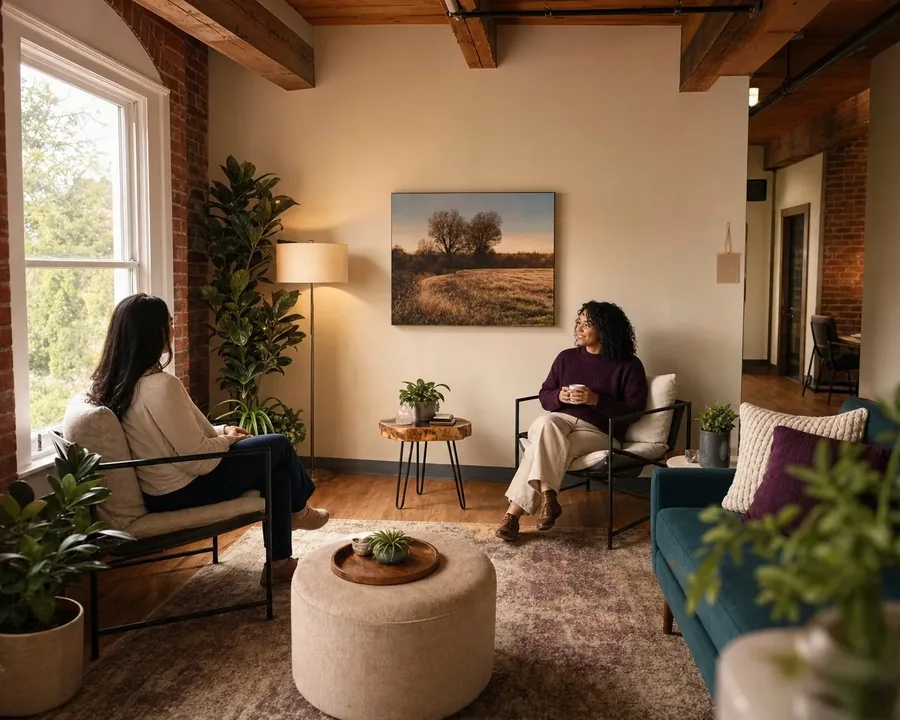
Illustrative two adults having a quiet conversation
Illustrative setting

Describe the barrier

Name when privacy, technology or Massachusetts location becomes unworkable instead of offering unnecessary clinical details.

Consider the next option

Assessment may lead to more discussion about schedule, access or an appropriate level of care.

Keep existing directions

Before a virtual session, choose a private Massachusetts space with a stable internet connection and limited interruptions.

Clarify next care steps

Assessment considers timing, care format and clinical fit separately. Describe any privacy, technology or location barrier to admissions, which can confirm current requirements and determine an appropriate plan through individual assessment.

MVBH is not an emergency, inpatient, residential, overnight, hospital or on-site detox service. A referral is not an accepted admission or confirmed start date. Existing hospital instructions and named follow-up clinicians remain the source for post-discharge directions.

Your questions

More about Planning a Virtual IOP space

You can bring your own questions to a conversation with admissions.

Are headphones enough to make a Virtual IOP space private?

No. Headphones alone may not prevent others from hearing you, viewing your screen or interrupting a session. Choose a private Massachusetts location with a stable connection and consider who may enter. MVBH has not published a definitive privacy standard or interruption procedure here, so confirm current requirements with admissions.

How can I protect my name, pronouns or LGBTQ+ identity in a shared home?

Protecting identity-related information may be part of privacy planning. MVBH-specific LGBTQ+ privacy practices are not described here.

Can I attend a virtual session while traveling outside Massachusetts?

No. Virtual participation requires you to be physically present in Massachusetts for every session. A Massachusetts home address does not make an out-of-state session eligible. If travel could conflict with care, ask admissions in advance how it may affect attendance and the proposed plan.

What should I do if privacy or internet access fails during a session?

Ask MVBH what to do if privacy or connection problems arise during a session. The exact contact, interruption and reconnection procedure is not published here, so confirm it with admissions before treatment begins. Remain physically in Massachusetts for virtual sessions. Call 911 for immediate danger; for suicidal thoughts or emotional distress, call or text 988.

What information belongs in the website callback form?

The callback form is for your first name, last name, phone number, email and preferred callback time. Do not enter symptoms, diagnoses, medications, substance-use history, medical records or other clinical details. A callback request begins contact but does not confirm eligibility, insurance approval, admission or a start date. You may also call MVBH at 978-233-9597.

Bring practical concerns into the care conversation

To take the next step, review the admissions process or request a callback with contact details only. Admissions begins with a call or form request, followed by insurance verification and prescreen, intake and, if accepted, the start of treatment.

Sources and editorial information

General information supports a conversation with your care team. Your clinical assessment determines treatment fit.

Editorial lead: , SUD and Behavioral Health Expert. AI-assisted drafting supports research and synthesis. This page does not provide individual medical advice.

MVBH editorial policy · Contact MVBH

If you are in crisis or having thoughts of suicide: call or text 988 (Suicide & Crisis Lifeline) or 911. MVBH is not an emergency service.