
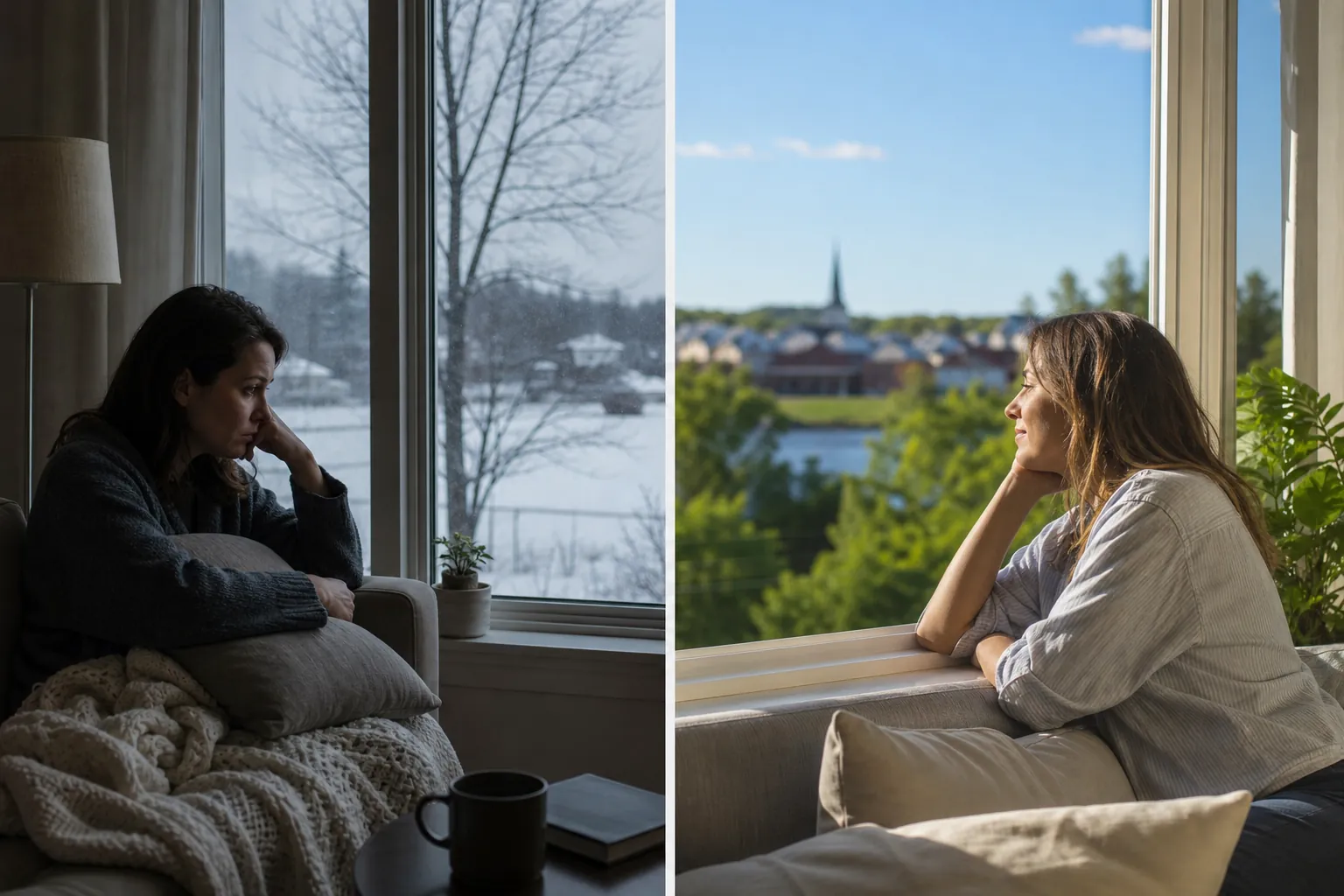
How Do Winter And Summer Depression Symptoms Differ?
Winter and summer depression symptoms often differ in sleep, eating, and activity. Winter patterns may involve sleeping and eating more; summer patterns may involve insomnia and poor appetite. Neither pattern affects everyone the same way. Related care context includes Comparing outpatient care options for depression and choosing outpatient mental health care.

Seasonal affective disorder, or SAD, is depression with a recurring seasonal pattern. NIMH describes both winter and summer forms in its seasonal depression guide. Winter-pattern SAD is more common. Summer-pattern SAD is less common, but its symptoms still deserve care.
These differences show common patterns, not fixed rules. A person doesn't need every listed symptom to have seasonal depression. Sleeping more on its own doesn't prove winter-pattern SAD. Poor sleep on its own doesn't prove the summer pattern.
The comparison below shows common traits of each form apart from the depression symptoms they share. Read each row as a possible difference, not a test for diagnosis. The full mood pattern and its effect on daily life matter too.
Both forms can affect how a person feels, thinks, and behaves. Both may include sadness, low energy, or trouble making decisions. Neither should be judged by how cheerful the season seems to other people.
A symptom list cannot show why a person's mood has changed. Professional assessment considers the symptoms and their history together. A single change in sleep, food, or social plans gives only part of that picture.
| Feature | Winter Pattern | Summer Pattern |
|---|---|---|
| Sleep | Oversleeping | Trouble sleeping |
| Eating | Overeating and carbohydrate cravings | Poor appetite |
| Weight | Possible weight gain | Possible weight loss |
| Other features | Social withdrawal | Restlessness, agitation, anxiety |
| Shared symptoms | Low mood and lost interest | Low mood and lost interest |
How Can Sleep Changes Look Different By Season?
Winter-pattern depression may include oversleeping, while summer-pattern depression may include trouble sleeping. These are common clues, not stand-alone diagnoses. Sleep changes deserve attention alongside mood, interest, and daily function. For broader support information, see Comparing day treatment and structured outpatient care and Comparing outpatient care options for depression.
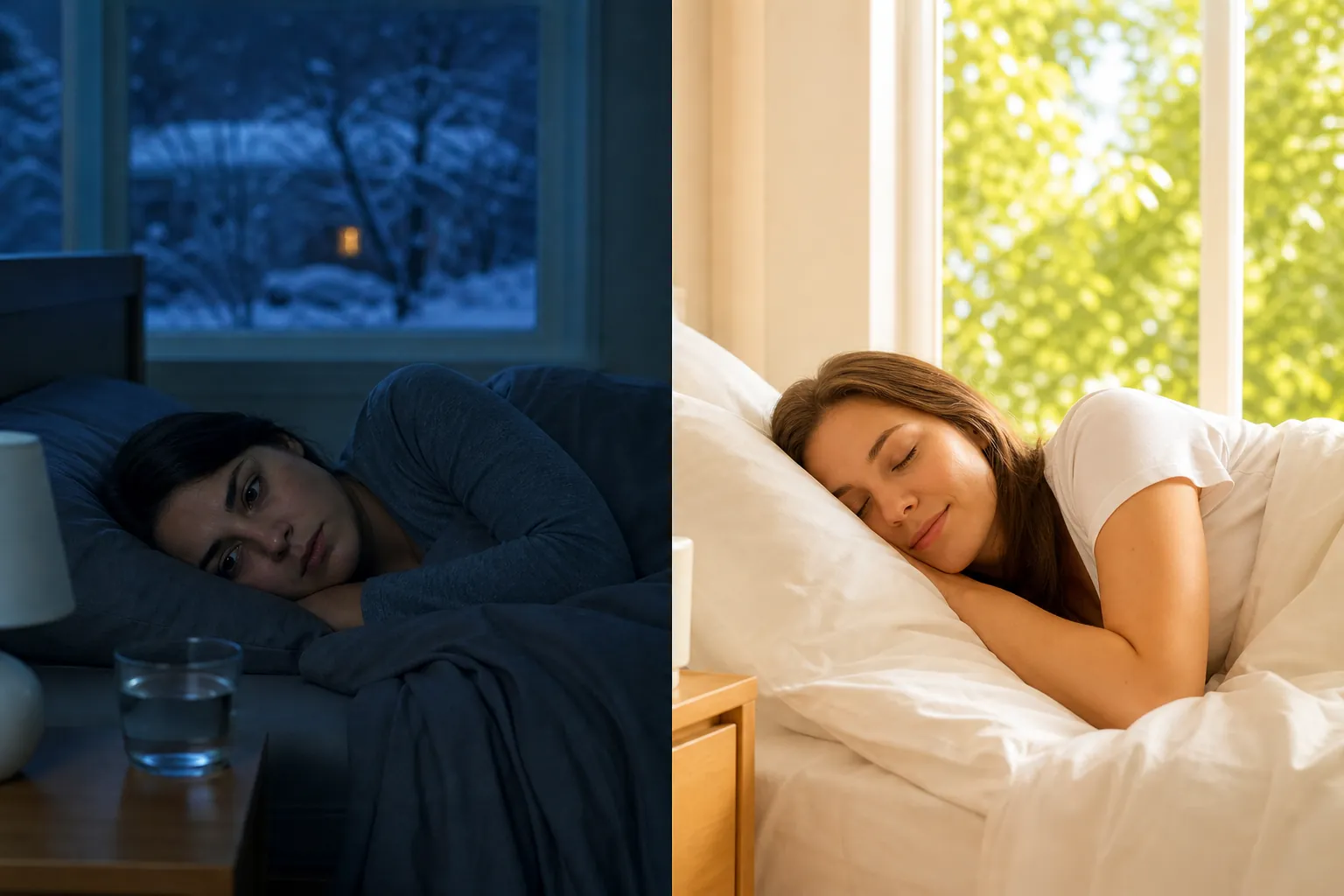
NIMH uses the term hypersomnia for oversleeping. Insomnia means trouble sleeping. Those terms describe different sleep complaints, but neither tells the whole story of seasonal depression. The change from a person's usual pattern remains important.
For example, sleeping more and losing interest in things you usually do gives a different picture than sleep alone. The same is true of poor sleep with lasting low mood. These are examples of symptoms that may occur together, not rules for diagnosing yourself.
Feeling tired and sleeping more are also different symptoms. NIMH lists low energy among general depression symptoms. Winter-pattern SAD may include oversleeping in addition to that fatigue. A person can describe both without treating them as the same thing.
Summer-pattern depression can include trouble sleeping alongside anxiety or agitation. That doesn't mean every restless night points to depression. The full pattern includes mood, other symptoms, and how daily life has changed.
Clear descriptions can help a provider understand the concern. There's no need to use medical terms when seeking help. Plain words about sleep and mood are useful, and keeping notes isn't required before contacting a provider.
- Oversleeping describes increased sleep, while fatigue describes feeling tired or low on energy.
- Trouble sleeping may appear with low mood, poor appetite, or restlessness in summer.
- A sleep change alone cannot establish a seasonal depression diagnosis.
What Appetite And Weight Changes Can Occur?
Winter-pattern depression may include overeating, carbohydrate cravings, and weight gain. Summer-pattern depression may include poor appetite and weight loss. These changes vary, and weight alone cannot identify seasonal depression. Related care information includes choosing outpatient mental health care and Comparing outpatient care options for depression when symptoms disrupt daily life.
NIMH lists these eating changes as other seasonal symptoms. Eating more is more closely linked to the winter pattern. Less desire to eat is more closely linked to the summer pattern. Neither means everyone will have a weight change that others can see.
Appetite means the desire to eat. Weight is a separate measure. Someone may notice food seems less appealing before they notice any weight change. Another person may describe eating more or craving foods high in carbs. Neither change proves that the season is the cause.
A useful distinction is direction: eating more versus wanting less food. That contrast helps explain why seasonal depression doesn't always look the same. The season's name alone doesn't describe a person's whole experience.
These symptoms are reasons for care, not judgments about self-control or looks. Avoid treating weight gain as proof of winter depression. Likewise, don't treat weight loss as proof of a summer pattern. NIMH describes these symptoms as part of a fuller review of depression.
A provider can consider eating changes alongside mood, sleep, and recurring timing. You don't need to match the textbook pattern before speaking up. If eating changes concern you, describe them directly rather than choosing a label first.
Which Mood And Behavior Symptoms Can Both Patterns Share?
Both seasonal patterns can include sadness, lost interest, low energy, and trouble focusing. Summer-pattern depression may also include strong feelings of restlessness, agitation, or anxiety. Winter patterns may include pulling away from others. For related care context, see Comparing outpatient care options for depression and Adult structured outpatient care explained.
Seasonal depression is more than a change in sleep or eating. NIMH lists persistent sad, anxious, or empty mood among depression symptoms. Hopelessness, guilt, and feelings of worthlessness may occur too. Not everyone has each symptom.
Lost interest can mean familiar hobbies no longer bring pleasure. Concentration problems may make decisions feel harder. Those changes can occur in either seasonal pattern. They help explain why depression can affect much more than mood.
Pulling away from others in the winter pattern may feel like wanting to hibernate. Agitation in the summer pattern can feel more restless or unsettled. These are possible differences, not opposite personality types. What a person does doesn't fully show the distress they feel inside.
NIMH also lists aggressive behavior among possible summer-pattern symptoms. That does not mean every person with summer depression becomes aggressive. A symptom description should never become a label for a whole group of people.
Taking the full experience seriously avoids a common mistake. Depression needn't look quiet, tearful, or visibly slowed down. Anxiety and restlessness can be part of the picture too. A provider can assess the meaning of those symptoms.
- Loss of interest or pleasure can occur in either seasonal pattern.
- Trouble concentrating, remembering, or making decisions can affect everyday tasks.
- Feelings of hopelessness, guilt, or worthlessness deserve attention in either season.
What Makes Depression Seasonal Rather Than A Brief Mood Change?
Seasonal depression involves bouts of depression that return in certain seasons, rather than one hard week. A review looks at this timing and symptoms outside that season. Related support information includes choosing outpatient mental health care and Comparing outpatient care options for depression, though neither page can establish a diagnosis.
NIMH says winter symptoms usually begin in late fall or early winter. They tend to go away during spring and summer. Summer-pattern symptoms occur during spring and summer. These broad patterns don't set an exact date for any individual.
The NIMH guide describes symptoms lasting about four to five months each year. Its rules for diagnosis include seasonal bouts of depression in at least two years in a row. These bouts must also occur more often than bouts at other times. A professional must review what that history means.
Those criteria are not a reason to delay getting help. A first season of troubling symptoms still deserves attention. You don't need to prove a recurring pattern before contacting a provider. Assessment can address current concerns while considering the history available.
Not all people with SAD experience symptoms every year. That detail matters when looking back at past seasons. An uneven history cannot be settled by a checklist. A provider can review the broader pattern with you.
Brief sadness and depression with a seasonal pattern aren't the same thing. The key concern is a major change in mood and behavior. How symptoms affect daily life matters, along with when they occur.
- Recurring seasonal timing matters more than a single difficult day or week.
- Depression symptoms outside the expected season also matter during professional assessment.
- Current symptoms deserve care even before a repeated seasonal pattern is clear.
Why Might Daylight Affect The Two Patterns Differently?
Researchers are still studying why seasonal depression differs between winter and summer. NIMH describes possible links involving daylight, sleep timing, and brain chemicals, with less known about summer patterns. Broader care context includes choosing outpatient mental health care and Adult structured outpatient care explained.
Much of the research has focused on winter-pattern SAD. Winter depression is more common and has been easier to study. Less research exists on the summer pattern. That gap limits firm claims about why summer symptoms happen.
Serotonin is a brain chemical that helps regulate mood. Melatonin is a hormone involved in the sleep and wake cycle. NIMH discusses research linking changes in these chemicals with SAD. These findings don't identify a cause for each person's symptoms.
Research suggests too much melatonin may play a part in sleepiness in winter-pattern SAD. Lower melatonin levels may play a part in summer-pattern SAD. NIMH notes that theories about disrupted summer sleep haven't been tested in a planned, thorough way. A possible cause should not be stated as a proven fact.
Longer days, shorter nights, and heat may disrupt summer sleep. Still, poor sleep during hot weather alone doesn't prove seasonal depression. The symptoms and their recurring pattern need assessment together. Weather is context, not a diagnostic test.
It is also unclear how negative seasonal thoughts relate to SAD. NIMH says such thoughts may be causes or effects of depression. Feeling dread about winter or summer doesn't establish the diagnosis. The evidence leaves room for uncertainty.
These limits matter when reading simple explanations online. A claim that one chemical explains every case goes beyond the source. No single daylight theory can replace a careful review of symptoms and seasonal history.
When Should Seasonal Symptoms Prompt Professional Help?
Seasonal symptoms call for professional help when mood or behavior changes are major or disrupt daily life. You don't need to be sure about the season or diagnosis first. For general support context, see choosing outpatient mental health care and Comparing outpatient care options for depression. Urgent safety concerns need a separate response.
NIMH advises talking with a provider about signs of SAD. The provider may use a set of written questions during the review. That review looks at symptoms and the timing of their return together. It isn't simply a choice between a winter or summer checklist.
You can describe low mood, lost interest, sleep changes, or appetite changes. You don't need records or a prepared script before seeking help. Uncertainty about the label is a valid starting point. The goal is understanding the concern, not proving a diagnosis.
Serious symptoms shouldn't be dismissed because the season will eventually change. Seasonal timing doesn't make depression less important. Nor does having symptoms outside the usual pattern make help unnecessary. The current effect on daily life deserves attention.
If symptoms are worsening or safety is uncertain, seek urgent assessment. NIMH's help guidance separates crisis support from emergency care. Call 988 for the Suicide and Crisis Lifeline, or call 911 for an emergency or immediate danger. Don't wait for routine admission in a crisis.
MVBH provides outpatient care, not emergency or overnight care. A seasonal label alone cannot determine which support fits a person. Speaking with a clinical team can help clarify outpatient care needs. Immediate safety needs require emergency services instead.
Questions about next steps? Call MVBH at 978-233-9597 or review php.
Frequently Asked Questions
Are holiday blues the same as winter-pattern depression?
Holiday blues and winter-pattern depression are different. NIMH describes holiday blues as sadness or anxiety linked to seasonal stresses. SAD concerns depression related to seasonal changes in daylight. Holiday demands and seasonal depression can be hard to separate on your own. A provider can assess the symptoms and their history.
Can summer-pattern depression happen in Massachusetts?
Summer-pattern depression can occur. Living in the north doesn't rule it out. NIMH says winter-pattern SAD is more common in places farther north, including New England. That pattern doesn't decide any one person's diagnosis. Summer symptoms still deserve a review based on what they are, when they return, and how they affect daily life.
Does light therapy apply equally to winter and summer patterns?
Light therapy is described by NIMH as a treatment for winter-pattern SAD, not both patterns equally. The source does not identify a treatment specific to summer-pattern SAD. Don't assume a winter approach fits summer symptoms. A provider can discuss treatment benefits, risks, and how they relate to the assessed pattern.
Does craving carbohydrates mean I have seasonal depression?
Craving carbs alone does not prove seasonal depression. NIMH lists these cravings with eating too much among possible winter-pattern symptoms. Diagnosis looks at depression symptoms and a history of symptoms returning each season together. You may have some listed signs without meeting all the rules for diagnosis. A provider can review concerns even if you don't have every symptom.
Can seasonal depression skip a year?
Yes, NIMH notes that people with SAD may not experience symptoms every year. Diagnosis still depends on a recurring seasonal history and other criteria. A year without symptoms doesn't explain the whole pattern by itself. Current symptoms deserve attention even when past seasons have been uneven or hard to recall.
Sources
Editorial status
Approved by Clinical Staff
Written by Tim Francis. This guide is educational. Read our clinical review and sources policy.
