

What Are The Possible Causes Of Psychosis?
Possible psychosis causes include mental or physical illness, sleep deprivation, certain medicines, and substance misuse. More than one factor may be involved, so assessment matters more than guessing from symptoms. Later care choices are covered in Comparing day treatment and structured outpatient care and choosing outpatient mental health care.
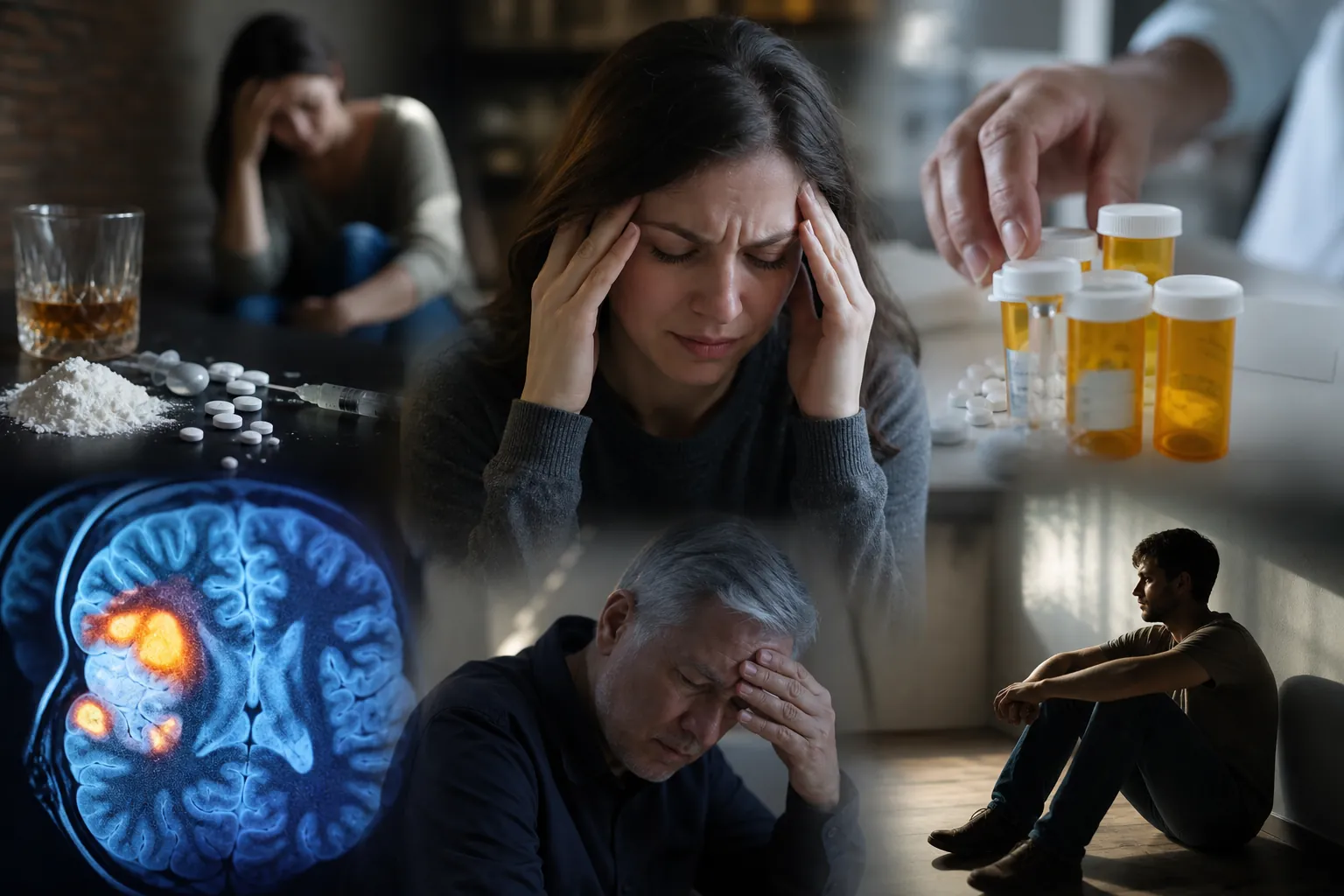
Psychosis means a group of symptoms involving some loss of contact with reality. A person's thoughts and perceptions may be disrupted. The person may struggle to tell what is real. Psychosis describes an experience, rather than one single illness.
The National Institute of Mental Health, or NIMH, explains that there's no single cause. Risk from genes, differences in how the brain grows, and stress or trauma may act together. That doesn't mean each person has all those factors. A general list cannot explain one person's symptoms.
Hallucinations mean seeing or hearing things that others don't. Delusions are false beliefs, such as believing television shows send personal messages. Speech may become hard to follow. These symptoms describe what someone experiences, but don't establish why.
Telling a symptom apart from its cause helps avoid a common mistake. Hearing voices doesn't, by itself, prove one diagnosis. The same caution applies to unusual beliefs or confused speech. A full assessment looks at symptoms along with the person's wider health.
- Psychosis describes changes in thoughts and perceptions, rather than one confirmed diagnosis.
- Several possible contributors may need review during a professional assessment.
- A familiar symptom does not identify the cause on its own.
Does Psychosis Always Mean A Mental Illness?
Psychosis does not always mean schizophrenia or another diagnosed mental illness. Psychosis can occur with several illnesses, or without a later disorder diagnosis, according to NIMH. Assessment comes before care selection, including mental health PHP in Massachusetts or what adult mental health IOP involves.

NIMH names schizophrenia, bipolar disorder, and severe depression as illnesses that may include psychosis. These names are possible explanations, not conclusions drawn from one symptom. A person's full history matters. The presence of psychosis doesn't make these conditions interchangeable.
Someone may hear the word psychosis and assume schizophrenia immediately. NIMH directly cautions against that assumption. A person can experience psychosis without ever receiving that diagnosis. Some people never receive a diagnosis of another disorder, either.
Assessment looks beyond the symptom that stands out most. NIMH explains that other possible causes are usually ruled out before a diagnosis of schizophrenia. Those causes include too little sleep, certain medicines, and alcohol or drug misuse. Skipping that review could leave key parts of the picture unchecked.
A symptom label and a diagnosis answer different questions. Psychosis describes changes in contact with reality. A diagnosis aims to explain the broader pattern. Neither a family member nor an online symptom list can settle that distinction.
The same caution applies when someone already has a mental health diagnosis. That history belongs in the assessment. But other possible causes still need review. A clinician needs the full picture. The goal is a sound reason for the symptoms, not the quickest label.
Related context appears in Massachusetts mental health day treatment guide.
Can Sleep Deprivation Contribute To Psychosis?
Sleep deprivation, meaning too little sleep, is one possible cause of psychosis listed by NIMH. Sleep changes can also appear among warning signs, so sleep alone doesn't settle the cause. Later planning may include Comparing day treatment and structured outpatient care and choosing outpatient mental health care.
Sleep has two distinct roles in the NIMH overview. Too little sleep appears among possible causes. Trouble falling asleep and reduced sleep also appear among warning signs. Those roles can be hard to separate without a professional assessment.
A report of poor sleep describes something important, but leaves questions open. Sleep loss might be part of the explanation for psychosis. Sleep disruption might also occur alongside other changes. An online article cannot decide which pattern applies to one person.
NIMH doesn't give a set amount of lost sleep that proves the cause. Counting missed hours cannot confirm or rule out psychosis. One better night also doesn't prove that the concern has passed. The wider pattern still needs review.
Changes in sleep deserve attention alongside changes in thinking, speech, and self-care. The point is to avoid focusing on only one symptom. NIMH advises reaching out when behavioral changes intensify or persist. A person doesn't need to prove the cause before seeking help.
Sleep deprivation is an explanation to consider, not a reason to dismiss symptoms. Difficulty telling reality from fantasy needs professional attention. Waiting to see if sleep alone solves that problem can delay assessment. A health care provider can consider sleep within the full picture.
How Can Medicines Or Substances Be Involved?
Certain prescription medicines and the misuse of alcohol or drugs can contribute to psychosis, according to NIMH. A clinician must review those possibilities rather than assume a mental illness. General care information appears in mental health PHP in Massachusetts and choosing outpatient mental health care.
The word certain matters when talking about prescription medicines. The source doesn't say that all medicines cause psychosis. It also doesn't prove that one person's medicine caused their symptoms. A clinician needs to review that person's case to judge this.
Alcohol or drug misuse is another possible cause named by NIMH. That does not mean every person who uses a substance develops psychosis. It also doesn't mean substance use explains every symptom. A person's other health concerns still matter.
Medicines, substances, sleep, and mental health belong in the same assessment. Looking at just one item can leave others unchecked. NIMH describes checking other causes before a diagnosis of schizophrenia. A full history helps a professional weigh those different possible causes.
Sharing information about substance use is part of understanding health, not assigning blame. The same applies to prescribed medicines. A clinical review needs an accurate picture of both. An article cannot determine what caused symptoms or advise a medication change.
Noticing a possible link is not the same as proving one. Symptoms that occur around medicine or substance use don't, on their own, prove the cause. Bring that concern to a health care professional. Care decisions should follow an assessment, not an online guess.
- Certain prescription medicines belong in a review of possible causes.
- Alcohol or drug misuse may contribute, but does not explain every case.
- Medicine and substance histories need consideration alongside sleep and other health concerns.
Can Physical Illness Cause Psychosis In Older Adults?
Physical illness can be part of the explanation for psychosis in older adults. NIMH names Parkinson's disease, Alzheimer's disease, and related dementias as examples, but symptoms alone cannot identify the illness. Later care information includes Comparing day treatment and structured outpatient care and what adult mental health IOP involves.
Psychosis isn't limited to young adulthood. NIMH says episodes can occur at younger and older ages. Older adults with neurological disorders may face higher risk. Neurological disorders are illnesses that affect the brain or nervous system.
For an older adult, psychosis may be part of physical or mental illness. Some illnesses emerge later in life. Others may already be known when symptoms appear. Age and medical history are therefore important parts of the assessment.
Parkinson's disease, Alzheimer's disease, and related dementias are examples, not a full guide to diagnosis. Psychosis doesn't prove that someone has one of those illnesses. Assuming the reverse doesn't help, either. Even with a known illness, symptoms still need careful review.
Families may first notice a change in speech, beliefs, or daily behavior. Those observations describe what has changed, rather than why. A health care provider can consider them alongside the person's health history. Relatives don't need to name the cause before seeking help.
New symptoms should not be written off as simply getting older. NIMH names possible causes linked to illness that need professional review. Sleep and medicine use may need review as well. The aim is to understand the person, not make guesses based on age.
How Do Professionals Sort Out The Possible Causes?
A qualified professional sorts out possible causes through a thorough assessment, not a single symptom checklist. The review considers changes in thinking and behavior alongside other possible explanations. Care choices come later, with background in mental health PHP in Massachusetts and choosing outpatient mental health care.
NIMH identifies psychologists, psychiatrists, and social workers as professionals who can assess psychosis. The purpose is to understand symptoms and reach an accurate diagnosis. A symptom description is a starting point. It is not a substitute for that assessment.
The review needs room for more than the most obvious symptom. Sleep, medicine use, substances, and physical illness may all matter. So may the person's mental health history. No single detail in that list establishes the answer.
Changes in daily life also help describe the concern. NIMH lists less self-care, spending less time with others, and trouble sharing thoughts among warning signs. A person may do less well at work or school. These changes help show the wider picture. They don't prove psychosis or its cause.
An assessment can keep several possible causes in mind at once. Looking at medicine as a possible cause doesn't settle the question. Looking at mental illness doesn't rule out a physical cause. That is why a broad review matters more than choosing a label early.
No homework or self-test is required before reaching out for help. A person can describe concerns in ordinary words. The professional's role is to assess and explain. The person seeking care doesn't have to arrive with a diagnosis.
- Changes in sleep, speech, and daily functioning help describe the concern.
- Medicine use, substances, and physical health help broaden the clinical review.
- A professional assessment separates possible explanations from a supported diagnosis.
When Do Changes Need Prompt Or Emergency Help?
Possible psychosis needs prompt professional attention when changes persist or intensify; immediate danger needs emergency care. Crisis support and urgent assessment serve different needs, and neither should wait for admission. Later outpatient planning is covered in Comparing day treatment and structured outpatient care and choosing outpatient mental health care.
NIMH advises contacting a health care provider when concerning changes intensify or don't go away. These may include confused speech or trouble recognizing reality. An urgent assessment helps address the current concern. Knowing the cause is not required before asking for help.
Crisis support offers help during emotional distress or thoughts of suicide. Call or text 988 for the Suicide and Crisis Lifeline, or call 911 for an emergency or immediate danger. NIMH's help guidance distinguishes crisis support from life-threatening situations. Immediate danger calls for emergency care.
Don't wait for an outpatient opening when urgent or emergency help is needed. Searching for the perfect explanation can also delay attention. Assessment can begin while the cause remains uncertain. The first task is addressing the person's current needs and safety.
NIMH stresses the value of early treatment for psychosis. Appropriate care depends on professional assessment and the person's needs. A general article cannot choose that care. It also cannot establish that a particular outpatient program fits active symptoms.
MVBH provides outpatient services, not emergency, inpatient, or overnight care. This educational page doesn't establish a psychosis specialty or individual program fit. Any later admission decision is separate from urgent assessment. Safety needs should never wait for that process.
Questions about next steps? Call MVBH at 978-233-9597 or review php.
Frequently Asked Questions
Can Psychosis Happen Without A Family History?
Psychosis is possible even without a known family history. NIMH describes risk from genes as one part of a complex picture. How the brain grows, stress or trauma, illnesses, too little sleep, medicines, and substance misuse may also matter. Family history alone cannot confirm or rule out the cause. A professional assessment looks at the wider picture.
Do Stress Or Trauma Explain Every Episode?
Stress or trauma do not explain every episode of psychosis. NIMH describes these events as possible parts of a complex mix of causes. Having these experiences doesn't prove the cause. Other possible causes still need review. A person's history deserves careful review, without assuming that one hard event explains all their current symptoms.
Does Social Withdrawal Mean Someone Has Psychosis?
Pulling away from others alone does not prove psychosis. NIMH lists spending much more time alone among possible warning signs. That makes this change worth noticing along with other changes, not treating as a diagnosis. Contact a health care provider if changes last or get worse. The cause needs assessment, not a guess based on one behavior.
Can Someone Recover From Psychosis?
Recovery from psychosis is possible with early diagnosis and appropriate treatment, according to NIMH. Some people never have another episode after early treatment. For others, recovery includes a fulfilling life even when symptoms return. Those patterns cannot predict one person's course. Treatment planning should involve the person's needs, goals, and professional assessment.
Is One Type Of Treatment Right For Every Cause?
One care plan cannot fit every possible cause of psychosis. Assessment helps find out what is happening and guide care. NIMH describes treatment that often includes medicine and other supports. The person takes part in planning. That general guidance doesn't show which treatment someone needs or what a given care center provides.
Sources
- Understanding Psychosis, NIMH
- Help for Mental Illnesses, NIMH
Editorial status
Approved by Clinical Staff
Written by Tim Francis. This guide is educational. Read our clinical review and sources policy.
