

What Does Performance Only Social Anxiety Mean?
Performance-related social anxiety centers on fear of judgment during a performance. Everyday conversations may feel different from speaking or competing before others. The pattern needs clinical assessment, not a self-applied label. Broader resources explain choosing outpatient mental health care and what adult IOP involves, rather than defining a diagnosis.
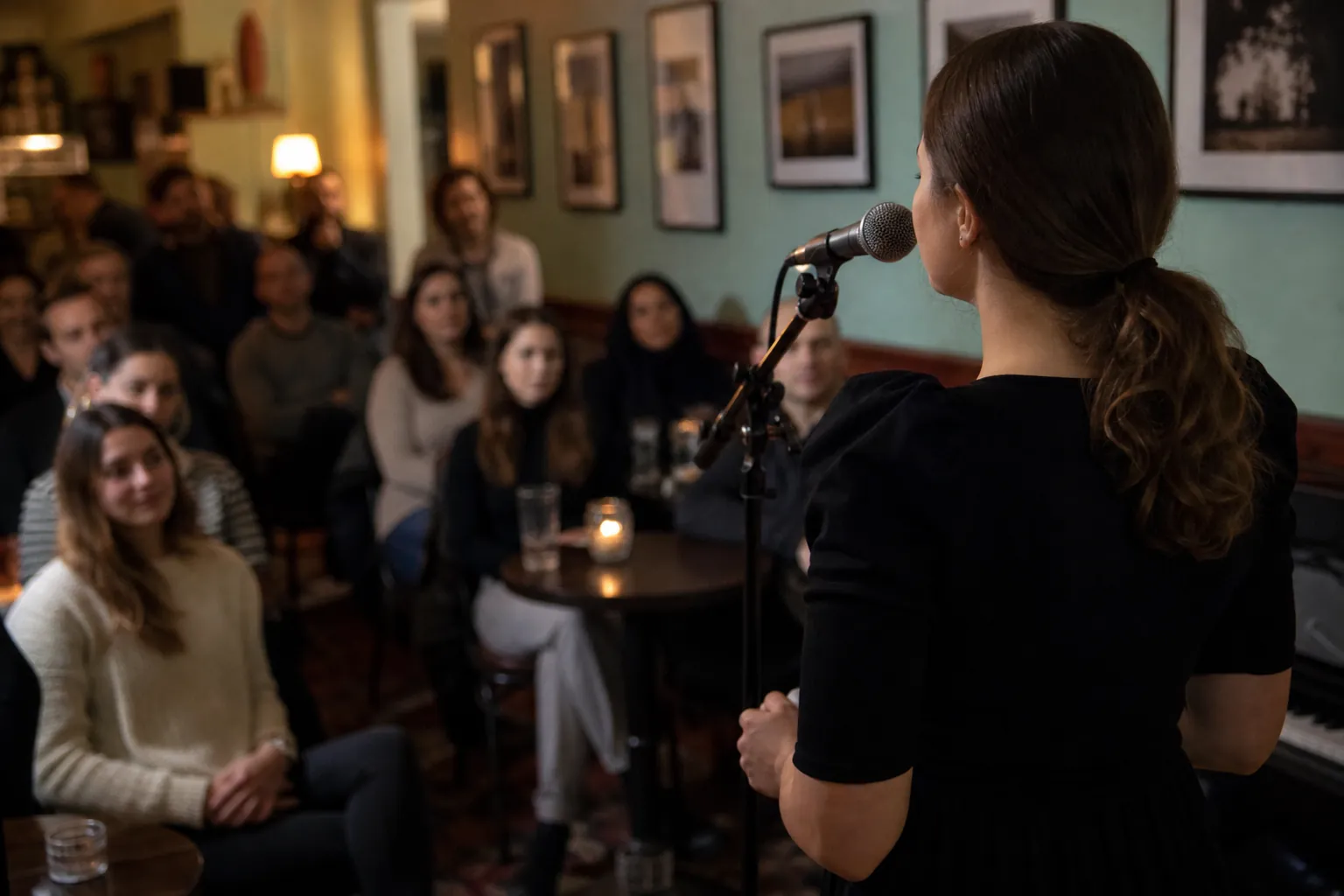
NIMH describes social anxiety as fear in situations involving possible judgment. Someone may fear embarrassment, rejection, or being viewed in a negative way. For some people, that fear arises only during performance situations.
The word “only” describes where the fear appears. It does not mean the fear feels mild or unimportant. A narrow set of feared events can still affect daily life.
For example, a person may feel comfortable talking with friends. Giving a formal speech may bring strong fear of being judged. That contrast illustrates a possible pattern, but cannot establish a diagnosis.
Social anxiety can also involve a much wider range of situations. NIMH lists meeting people, dating, interviews, and eating before others. Those fears differ in scope from fear limited to performing.
The central issue is the feared judgment, rather than the activity alone. Speaking, sports, and music are very different tasks. Each can place a person in front of people who may evaluate them.
The phrase is useful for describing an experience to a clinician. It should not replace a full review of symptoms. A provider can explore the fear and its effect on life.
How Is Performance Fear Different From Ordinary Nerves?
Ordinary nerves do not automatically mean social anxiety disorder. Lasting fear, extreme discomfort, avoidance, and effects on daily life matter more than one tense event. A clinician reviews the whole pattern. Resources on how to choose outpatient care and adult intensive outpatient treatment explain care, not diagnostic shortcuts.

NIMH notes that occasional stress and anxiety are normal. A demanding performance can bring stress without an anxiety disorder. Feeling nervous before an important speech does not settle the question.
A more concerning pattern can involve fear that feels hard to control. A person may avoid performances or face them with extreme distress. The fear may interfere with work, school, or relationships.
NIMH states that diagnosis requires symptoms lasting at least six months. That duration is one part of assessment, not a self-test. People can seek help before reaching a diagnostic time threshold.
The importance of an event also needs context. Feeling tense before a valued performance differs from losing access to valued activities. A clinician can explore that distinction without dismissing the fear.
Visible symptoms alone do not show how much someone struggles. A person may finish a speech while feeling intense distress. Someone else may have shaky hands without lasting fear or avoidance.
Related context appears in Massachusetts mental health day treatment guide.
- Fear repeatedly affects activities that matter at work, school, or home.
- A person avoids performances or faces them with extreme discomfort.
- Concern about judgment feels difficult to control across feared events.
- Worry takes up time before events and affects daily life.
Which Situations Can Bring On Performance Focused Fear?
Speeches, sports competitions, and musical performances can bring on performance-focused social fear. NIMH names these examples because each can involve being watched and judged. The setting alone does not establish a disorder. General resources cover selecting outpatient mental health care and what happens in adult IOP.
A speech puts spoken words before an audience. A sports event puts skills before other people. A stage performance can make musical mistakes feel open to judgment.
The shared feature is possible scrutiny, meaning close attention from others. A person may fear what others will think of a mistake. That concern differs from simply wanting to perform well.
NIMH also lists answering a question in class among social situations. Context matters when describing that experience. A clinician can explore whether the fear concerns performing or broader social contact.
The examples below describe possible fears, not diagnostic rules. Two people can face the same audience and have different experiences. One may feel ordinary nerves while another feels severe distress.
| Situation | Possible Concern | Useful Distinction |
|---|---|---|
| Giving a speech | Being judged for speaking | Formal speaking versus casual conversation |
| Competing in sports | Others evaluating performance | Being watched versus the activity itself |
| Playing music on stage | Judgment about perceived mistakes | Audience performance versus other settings |
What Can Performance Anxiety Feel Like In The Body?
Performance-related social fear can involve sweating, trembling, blushing, or a racing heart. A person may feel sick or experience their mind going blank. These symptoms alone cannot identify the cause. Broader guidance includes choosing appropriate outpatient care and understanding adult IOP care, without replacing a health assessment.
NIMH lists several physical signs of social anxiety. Some people notice a rigid posture or a very soft voice. Others find eye contact hard when they feel watched.
These signs can become part of the feared performance experience. Someone may worry that shaking will draw negative attention. The worry concerns how others might judge the symptom, as well as the symptom itself.
A blank mind can feel especially upsetting during a speech. However, one moment of lost words does not prove a disorder. The wider pattern of fear and interference still matters.
Not everyone has the same set of symptoms. A symptom list is not a checklist that a person must complete. A provider considers the history and the effect on daily life.
NIMH explains that assessment may include a physical exam. The aim is to check for unrelated physical causes. New or unexplained symptoms should not automatically be labeled anxiety.
- Visible signs can include blushing, sweating, trembling, or a rigid posture.
- Internal symptoms can include a racing heart or feeling sick.
- Speaking may feel difficult when words seem to disappear unexpectedly.
- Fear may center on other people noticing and judging these symptoms.
Can The Fear Start Before A Performance And Continue Afterward?
Social fear can extend beyond the time spent performing. NIMH describes worry before events and self-critical review afterward. Those experiences can matter even when a performance looks successful. Care information is available through understanding outpatient care choices and learning what adult IOP involves, but assessment addresses the fear itself.
NIMH notes that people may worry for weeks before social situations. For performance-focused fear, the worry may concern an upcoming speech or event. The time before the event can feel hard, even without an audience.
A person may expect the worst possible result from a mistake. The feared result may involve humiliation or rejection. That expectation is a fear, not proof of what others will do.
After an event, someone may analyze their performance for perceived flaws. NIMH includes this pattern among social anxiety symptoms. A person may focus on moments they believe looked awkward.
A self-perceived flaw is something the person views as a mistake. That judgment does not establish how the audience saw the event. Distress can remain even when no clear negative response occurred.
This distinction helps explain why finishing a performance does not settle everything. The person may still struggle with worry before the next event. The full experience includes more than the minutes spent on stage.
There is no need to assume every review of a performance is harmful. People often reflect on how an event went. Concern grows when fear and self-criticism become distressing or disrupt daily life.
Why Can Avoiding Performances Leave The Fear Unresolved?
Avoiding feared performances may bring short-term relief while leaving social anxiety unresolved. NIMH states that anxiety is likely to remain without treatment. Avoidance is worth discussing when valued activities become harder to pursue. Broader care resources include how outpatient care is chosen and the role of adult IOP.
Avoidance can mean staying away from a feared event altogether. A person might turn down a speech or skip a performance. Those examples matter when fear repeatedly limits activities the person wants to do.
Choosing not to perform is not always a sign of anxiety. People have different interests, goals, and reasons for declining events. The useful distinction is whether fear of judgment drives the choice.
Short-term relief can make avoidance feel helpful. NIMH cautions that the anxiety is likely to remain without treatment. Relief from one event does not show that the broader fear has resolved.
A narrow fear may still have a meaningful effect. Public speaking may be only one part of someone's life. Yet fear around speaking can interfere with an activity that matters deeply.
Support should not become pressure to prove that the fear is harmless. NIMH encourages compassion and patience toward people with social anxiety. A clinician can help address the pattern without relying on a forced performance.
- Turning down valued performances may show how fear affects everyday choices.
- Finishing an event with extreme distress can matter as much as avoidance.
- Relief after canceling an event does not establish that anxiety has resolved.
- A person's own goals help explain why a specific performance matters.
When Should Someone Seek Help For Fear Of Performing?
Professional help is worth seeking when performance fear disrupts daily life or causes marked distress. A primary care or mental health provider can review symptoms and possible causes. Neither Comparing day treatment and structured outpatient care nor choosing outpatient mental health support replaces an individual assessment of the fear.
NIMH recommends seeking help when anxiety causes problems in everyday life. Avoiding important activities is one example. Facing those activities with extreme discomfort is another reason to discuss the fear.
Assessment includes when symptoms began, how often they occur, and their impact. A provider also considers how long the pattern has lasted. The review can explore performance settings and other social situations.
A person does not need to arrive with a settled diagnosis. Describing the experience is enough to begin a conversation. A primary care provider can help identify next steps.
NIMH describes psychotherapy, also called talk therapy, as a treatment for social anxiety. Treatment planning depends on a person's needs, preferences, and health. This general information does not establish a specific MVBH therapy or specialty.
A label limited to performance does not determine a level of care. The overall assessment matters more than the search phrase. Read about mental health PHP in Massachusetts for general care information. MVBH provides outpatient care, not emergency or overnight services.
Urgent safety concerns need prompt assessment, not a wait for routine admission. Call or text 988 for crisis support, or call 911 for immediate danger. NIMH's help guidance distinguishes crisis support from emergency care.
Questions about next steps? Call MVBH at 978-233-9597 or review php.
Frequently Asked Questions
Can someone be outgoing and still fear public performance?
Comfort in everyday social settings does not rule out performance-focused fear. NIMH notes that anxiety can arise only during performance situations. Someone may enjoy talking with friends but fear giving a speech. Being outgoing does not establish or exclude a diagnosis; lasting distress and its effect on life still matter.
Does a successful performance mean the anxiety was mild?
A successful performance does not reveal how much distress someone felt. NIMH notes that people may face feared situations with extreme discomfort. They may also review perceived flaws afterward. The visible result and the person's inner experience are different parts of the picture, so finishing well does not settle the question.
Does feeling calm while practicing alone rule out social anxiety?
Feeling calm alone does not rule out fear linked to others' judgment. Performance-focused social fear concerns being watched or evaluated, rather than the task alone. Still, a difference between practice and performance cannot establish a disorder. A clinician considers the full pattern, its duration, and its impact on daily life.
Can performance-related fear change in intensity over time?
Yes, social anxiety symptoms can change over time. NIMH states that symptoms often worsen during major stress or change. A calmer period does not erase an earlier pattern, and a difficult event does not establish a disorder. Assessment considers the broader history rather than relying on one good or bad performance.
How can a loved one respond without dismissing the fear?
A loved one can listen, express concern, and offer patient support. NIMH encourages honest conversation and compassion toward people with social anxiety. A calm response leaves room to discuss how performances affect daily life. Encouraging professional help is appropriate when fear causes problems, without assigning a diagnosis or demanding a performance.
Sources
Editorial status
Approved by Clinical Staff
Written by Tim Francis. This guide is educational. Read our clinical review and sources policy.
