

You may be exploring mental health IOP after hospital discharge. In Amesbury, MA, MVBH offers Half Day Treatment through IOP. Moving from hospital care takes planning around needs, timing, and access. A hospital referral, benefits review, and admission are separate steps. Call to discuss care without gathering everything first.
How Can Mental Health IOP After Hospital Discharge Help You Adjust?
A hospital referral can start the search for your next care setting. It doesn't confirm that a program fits or has accepted you. MVBH offers Half Day Treatment IOP in a non-hospital setting. Through mental health admissions, you can talk about your needs and the next admission steps.

IOP means intensive outpatient program, called Half Day Treatment at MVBH. PHP means partial hospitalization program, called Full Day Treatment here. Both are outpatient care, without an overnight stay. Neither replaces hospital care when that setting is still needed.
Leaving a hospital and starting another program are different decisions. A discharge plan may name a type of care. The receiving program still needs to consider your current needs. That distinction matters when you're trying to avoid a gap.
General mental health treatment can include therapy, medicine, or both. Your own plan should reflect your needs and medical situation. A mental health professional should guide that choice. NIMH explains how treatment plans are chosen.
That guidance doesn't establish which specific treatments MVBH provides. It also doesn't mean every person leaving a hospital needs IOP. Your discharge plan gives the next team useful context. It isn't a substitute for talking about how you're doing now.
The main goal of transition planning is clear next steps. Knowing who handles each step can reduce needless confusion. You should understand which arrangements are confirmed and which remain pending. A suggested program and a confirmed start are different things.
MVBH provides outpatient care, rather than inpatient or residential treatment. There is no overnight care here. A plan for time at home remains important after discharge. If your needs change, the care plan may need review.
How Do You Start mental health IOP after hospital discharge?
Start by making contact before assuming that a referral means enrollment. You or your hospital care team can use contact MVBH care to discuss the transition. The mental health admissions process is separate from hospital discharge. You don't need to finish a personal checklist before making that first call.
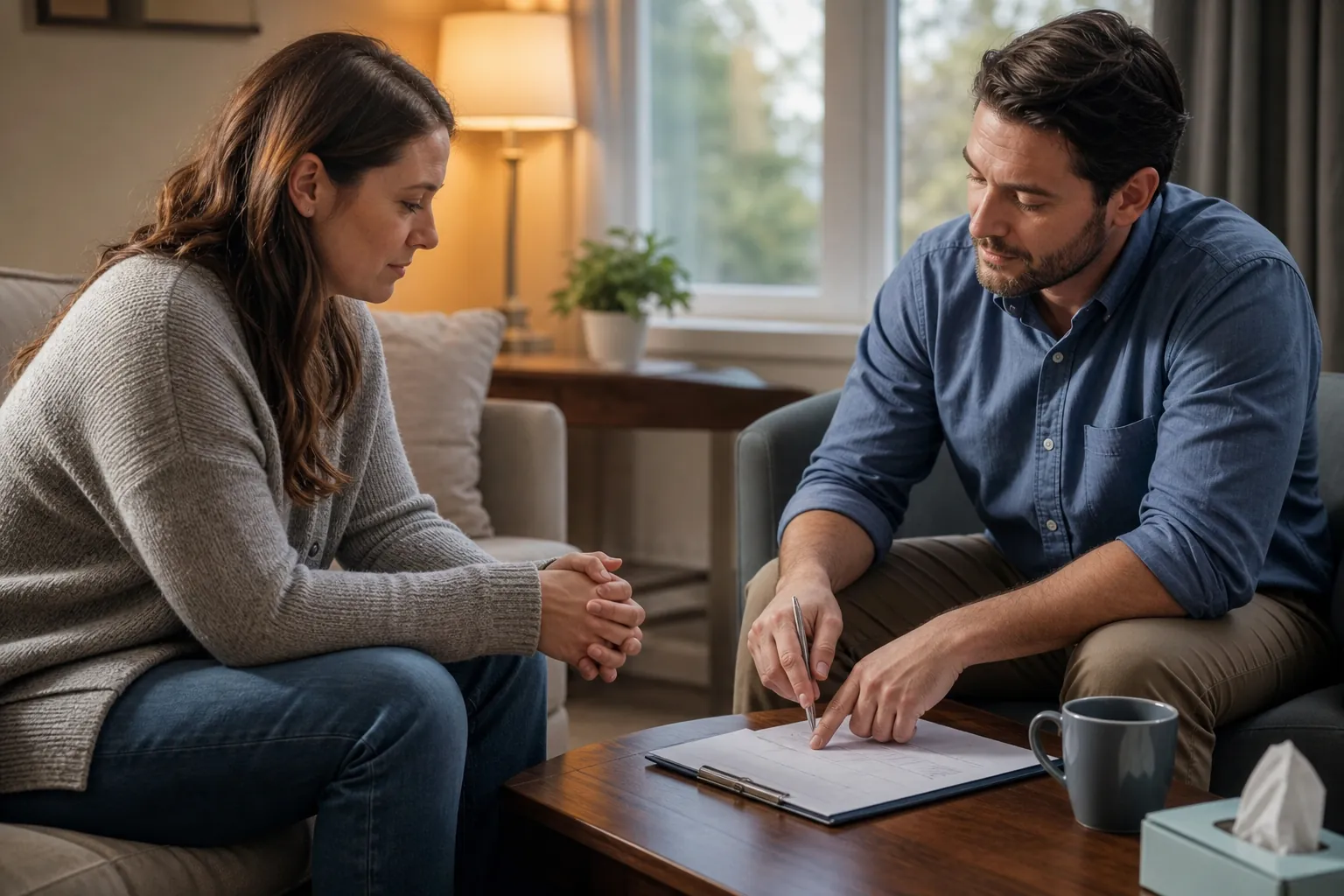
When possible, planning can begin while discharge is being arranged. This leaves room to address timing and missing information. Still, a call made after you return home is worthwhile. You don't need to abandon the search because discharge already happened.
The hospital plan and the receiving program's process should stay distinct. The hospital addresses the care surrounding your discharge. MVBH considers its own outpatient admission steps. Clear communication helps keep those roles from becoming mixed together.
A simple sequence can make the transition easier to follow:
- Make contact while the hospital discharge plan is still being discussed, when possible.
- Keep the referral, benefits review, and admission decision separate as plans take shape.
- Confirm the next care contact rather than treating a suggested start as settled.
- Use the discharge team's plan for care while outpatient arrangements remain pending.
This sequence is a planning guide, not a clinical care rule. Timing will depend on your situation and the receiving program. A referral may need more discussion before admission can proceed. Avoid reading a planned discharge date as an outpatient start date.
You can call even when some details are still unclear. The purpose is to open a conversation about your needs. It isn't to prove that you've completed every possible task. Needed information can be addressed as the process moves forward.
For another route to help, a primary care provider can discuss concerns. They can screen for mental health needs and make referrals. NIMH describes primary care as a pathway to help. That route doesn't establish admission to a specific program.
What Information Helps Keep The Discharge Plan Connected?
A clear discharge plan helps the next care team understand recent care. Sharing relevant information supports a more informed conversation about your needs. You can begin through mental health admissions or contact MVBH care. You don't need to collect a full set of records before calling to discuss the transition.
Information has more value when its purpose is clear. A discharge summary describes the recent hospital stay. Follow-up instructions explain what the hospital planned next. Neither document should be treated as proof of outpatient acceptance.
Several parts of the plan may help connect the steps:
- The hospital's follow-up instructions describe the care planned after your stay ends.
- A current medicine list gives the next provider context about prescribed treatment.
- Any arranged appointments help distinguish confirmed follow-up from care that remains pending.
- Named care contacts help clarify who is handling each part of the transition.
This information can support communication between you and your care teams. It should not become a barrier to the first call. If you don't have a document, say so. You can discuss how any needed information may be shared.
Changes in sleep, mood, or focus deserve discussion with a provider. Some symptoms can have a physical health cause. A health care provider can help check for those causes. NIMH explains the role of a health check.
Be clear about what remains unresolved after the hospital stay. A pending appointment is different from a booked appointment. A referral sent is different from a referral received. Those small distinctions help people understand the actual status of care.
You don't need to explain the whole stay in one call. Begin with the need to plan care after discharge. Details can be discussed as they become relevant. The aim is shared understanding, rather than a perfect account.
What Happens Between Benefits Review And Admission?
Benefits review looks at your health plan, while admission addresses care access. These steps are separate, even when they happen near each other. MVBH's insurance benefits review can help clarify plan details. The mental health admissions process addresses the separate question of entering care after your hospital stay.
Coverage varies by plan. A review of benefits doesn't confirm that every service is covered. It also doesn't mean admission has been completed. Keep those limits in mind when arranging the next stage of care.
Insurance information can affect practical planning after discharge. Costs and plan terms may need further clarification. That financial review is different from discussing your care needs. Neither step should be mistaken for the other.
Your insurer can provide information about providers covered by your plan. It may offer an online list of participating providers. That list is a way to locate options, not confirm admission. NIMH describes insurance resources for finding care.
It helps to distinguish three statuses during the transition. A benefits review may be underway. A care discussion may be underway as well. Admission may still remain undecided while those steps move forward.
If coverage information is unclear, the care conversation can still begin. You don't need to settle every financial detail before calling. At the same time, don't treat an early discussion as acceptance. Clear status matters more than a hopeful assumption.
An insurance approval applies to the request it addresses. It doesn't take the place of the program's admission process. The written plan information and care arrangements serve different purposes. Both need to be understood before treating the transition as settled.
If you need urgent help, don't wait for benefits review. Insurance work is not a route to immediate crisis support. Use the hospital's urgent guidance or appropriate crisis resources instead. A pending outpatient plan should never delay help for immediate danger.
What May The First Week Of Outpatient Care Involve?
The first week should follow the care arrangements confirmed for you. Don't assume a set schedule based on another person's experience. MVBH offers Half Day Treatment IOP and Full Day Treatment PHP. The right discussion starts with your needs, rather than a fixed choice based only on hospital discharge.
Your first week may include reviewing the transition with care providers. Relevant topics include recent care, current concerns, and daily life. Any planned sessions or appointments depend on the arrangements actually made. This article doesn't describe a fixed MVBH first-week schedule.
There may be separate follow-up outside the outpatient program. A hospital plan could include visits with other providers. Keep those arrangements distinct from any new program start. Starting one service doesn't establish that other follow-up has been replaced.
General talk therapy aims to address troubling thoughts, feelings, and actions. It can include ways to cope with stress and solve problems. These are broad descriptions of therapy, rather than MVBH service details. NIMH describes common goals and elements of talk therapy.
A first week is also a time to notice practical barriers. Travel, home demands, and access to sessions can affect attendance. These concerns belong in the care discussion. They aren't reasons to choose a program without considering your needs.
Returning home may bring demands that differ from the hospital setting. Work plans, family roles, and appointments may need coordination. Discuss those demands in relation to the confirmed care plan. Avoid assuming that discharge settles every part of daily life.
If care feels confusing, tell the provider what feels unclear. A good working relationship includes room to discuss concerns. NIMH encourages people to raise concerns about treatment with their provider. NIMH explains the importance of communication during treatment.
The useful measure for planning is what has been confirmed. Keep proposed care separate from care that's already arranged. That distinction remains helpful throughout the first week. It can make unfinished steps easier to see and address.
How Does Going Home After Treatment Affect Planning?
IOP is outpatient care, so it doesn't include staying overnight. Planning must account for time at home between treatment visits. MVBH's Half Day Treatment IOP differs from hospital care. Its Full Day Treatment PHP is also outpatient care, with no residential bed or overnight stay included.
A hospital provides a setting that outpatient care doesn't reproduce. Moving between those settings changes where care takes place. The plan should reflect your current needs outside treatment hours. No article can decide if that change fits your situation.
Practical details can affect how a plan works each day. Transportation is one example, along with meals and home duties. Discuss these needs alongside the clinical care plan. A convenient location alone doesn't establish the right care setting.
Consider these everyday parts of the transition with your care team:
- Travel arrangements need to fit the treatment visits that are actually confirmed.
- Work and home duties may need coordination around the agreed care plan.
- Other health appointments remain separate unless your providers arrange a clear change.
- The discharge plan should identify how to reach help when concerns arise.
These are planning points, rather than tasks required before calling. You can discuss an unresolved travel or home issue right away. Sharing a barrier helps others understand the situation. It doesn't mean that a particular program is automatically suitable.
Support from others should reflect your needs and preferences. Some adults want help with travel or keeping appointments straight. Others prefer to manage those details themselves. Avoid assuming that every person has the same home support.
MVBH doesn't provide inpatient, residential, overnight, or emergency care. It also doesn't provide onsite detox or withdrawal-management care. Those limits matter when comparing the hospital plan with outpatient options. A more familiar program name doesn't change what a setting provides.
If time at home raises new concerns, speak with a provider. The plan may need review based on those concerns. Don't decide that difficulty means you've failed at the transition. Bring the change into the care conversation.
Could Virtual IOP Help With The Transition In Massachusetts?
Virtual care is an option to discuss, rather than assume fits. MVBH offers Virtual IOP care for participants physically in Massachusetts during sessions. You can use contact MVBH care to discuss access after discharge. A Massachusetts home address alone doesn't meet the location requirement when you're elsewhere for a session.
The location rule applies each time you take part. Travel outside Massachusetts matters, even if your main home is here. Keep that requirement separate from where your insurer is based. Coverage and physical location are different parts of planning.
Virtual care changes how you connect, rather than removing care decisions. Your needs still matter when considering a program. A hospital referral to IOP doesn't establish a virtual placement. Benefits review and admission remain separate for this option too.
Technology can allow mental health professionals to provide help at a distance. NIMH describes several forms of digital mental health care. Those broad options don't confirm a specific program's content or suitability. NIMH explains options for digital mental health care.
Think about access as part of the conversation, without delaying contact. A place to join sessions and a working connection matter practically. If either is uncertain, you can still make the first call. You don't need to solve every access issue alone.
Virtual attendance also leaves you outside a hospital setting. It doesn't provide an overnight bed or emergency care. The plan for help between sessions still needs attention. Convenience should stay separate from the question of clinical fit.
Some adults consider virtual care because travel is hard to arrange. Others may be comparing it with in-person outpatient care. Neither circumstance makes one format the right choice for everyone. Discuss the format alongside your current needs and discharge plan.
If you expect to leave Massachusetts, include that in planning. Don't assume sessions can continue from another state. The requirement is physical presence in Massachusetts during each session. Confirmed arrangements should reflect where you'll actually be.
What If Care Is Delayed Or Your Needs Become Urgent?
A pending start date is different from a plan for urgent help. Use mental health admissions for routine admission steps and contact MVBH care for program information. MVBH isn't an emergency service. New safety concerns need prompt attention through appropriate resources, rather than waiting for outpatient care to begin.
A delay can leave several parts of the transition unfinished. The referral may still be under review. Insurance information may remain unclear, or admission may still be pending. None of these statuses provides crisis support on its own.
For urgent concerns, seek prompt guidance from a health care provider. If you're still in the hospital, tell the hospital care team. If you're home, follow the urgent guidance in your discharge plan. This is different from a routine call about enrollment.
For suicidal thoughts or emotional distress, call or text 988. The line connects you with a trained crisis counselor. It provides confidential support at any hour. NIMH lists 988 as a crisis support resource.
For immediate danger or a life-threatening situation, call 911. You can also go to the nearest emergency department. Don't wait for a program opening or an insurance decision. NIMH gives guidance for life-threatening emergencies.
Urgent assessment, crisis support, and emergency care serve different purposes. A provider can assess a concerning change in your needs. The 988 line offers crisis support. Emergency services address immediate danger and life-threatening situations.
For routine delays, keep the hospital follow-up plan connected to next steps. Tell the relevant care contact that outpatient arrangements remain unfinished. A proposed program shouldn't silently replace care already arranged. Clear communication helps show where a gap still exists.
You don't need a polished account before seeking the next conversation. Start with the fact that you're planning care after discharge. The remaining details can be discussed from there. For MVBH program information, call 978-233-9597.
MVBH is at 77 Elm St, Amesbury, MA 01913. Its care is outpatient, without overnight stays or emergency services. You can call to discuss the transition and available program options. Benefits review and admission remain separate parts of that process.
Frequently Asked Questions
Does a hospital referral mean I can start IOP right away?
A hospital referral starts a care connection, rather than confirming admission. MVBH still needs to talk about your needs and admission steps. Benefits review is separate too. The referral alone doesn't set a start date. Keep the hospital follow-up plan in place while arrangements remain pending, and use urgent resources if safety concerns arise.
What happens after benefits review?
Benefits review helps clarify your health plan's terms. Coverage varies by plan, and the review doesn't confirm admission. The care discussion and admission process remain separate steps. A reviewed benefit isn't the same as a confirmed program start. You can call MVBH to discuss the transition while those details are still being worked out.
How do PHP and IOP differ at MVBH?
PHP means partial hospitalization program, called Full Day Treatment at MVBH. IOP means intensive outpatient program, called Half Day Treatment here. Both are outpatient programs, without overnight care. MVBH is a non-hospital setting. A hospital discharge doesn't decide which program fits. That choice needs a discussion of your current needs and the separate admission process.
Can I use Virtual IOP while staying outside Massachusetts?
No. MVBH requires virtual participants to be physically in Massachusetts during sessions. A Massachusetts address doesn't meet that rule while you're elsewhere. Travel plans need to reflect this limit. Virtual care also requires a discussion of your needs and admission steps. It doesn't provide overnight care or emergency services, and coverage varies by health plan.
Do I need all my discharge records before calling?
You can call before you have every discharge document. Start with the need to arrange care after a hospital stay. Relevant information can be discussed as the process moves forward. Records may help explain recent care, but collecting a complete file isn't required before that first conversation. A call doesn't confirm coverage or admission.
What should I do if I need help before IOP starts?
For urgent concerns, seek prompt guidance from a health care provider. For suicidal thoughts or emotional distress, call or text 988 for crisis support. For immediate danger or a life-threatening situation, call 911 or go to the nearest emergency department. Don't wait for admission or insurance review. MVBH does not provide emergency care.
Editorial status
Approved by Clinical Staff
Written by Tim Francis. This guide is educational. Read our clinical review and sources policy.
