
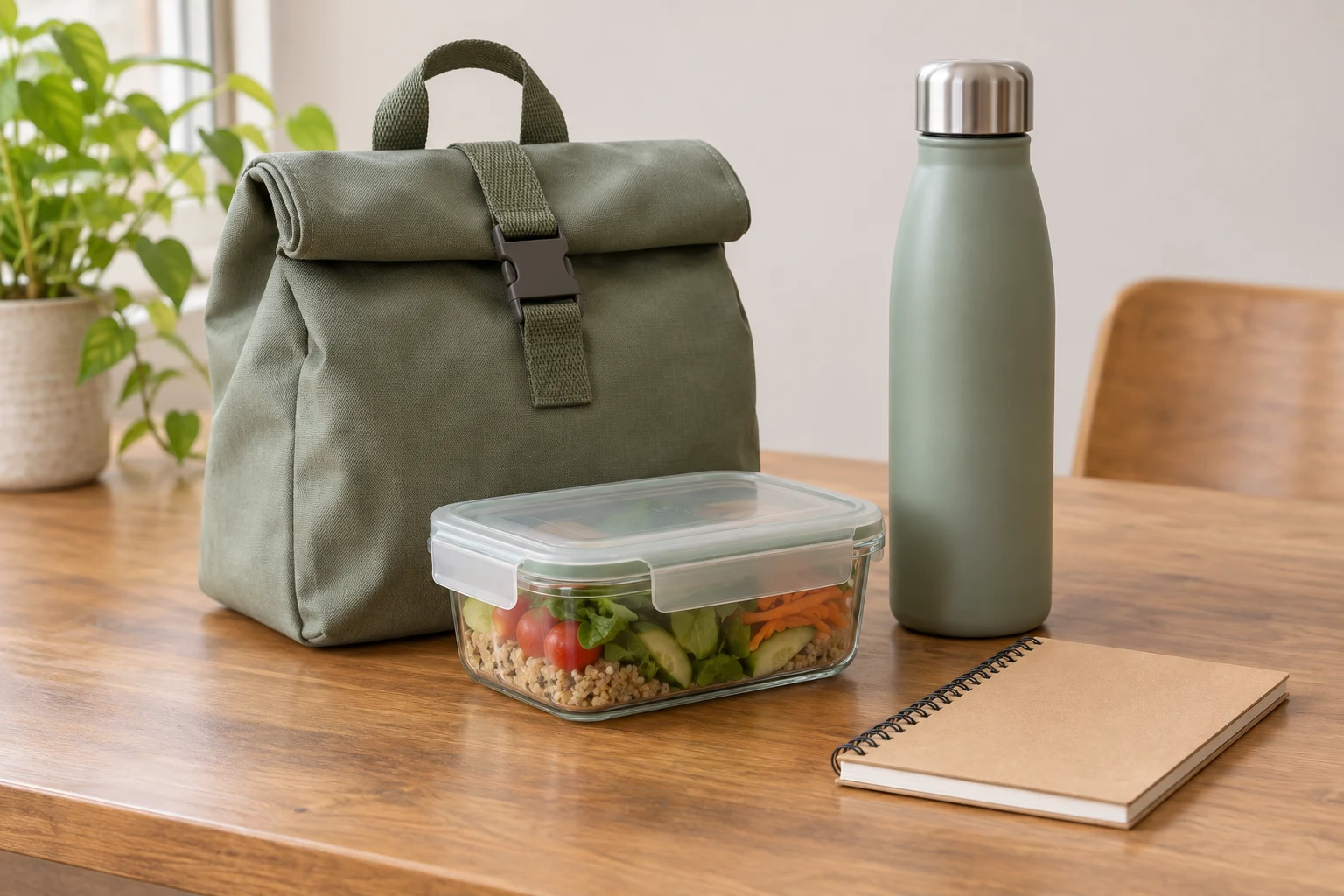
Before attending an intensive outpatient program, a small practical detail can affect what you pack: will the visit include time and a permitted place to eat? The program name alone does not answer that question. Break timing, outside food, storage, and leaving the building are separate arrangements to confirm.
Merrimack Valley Behavioral Health uses Half Day Treatment for IOP and Full Day Treatment for PHP. These are outpatient programs in a non-hospital setting. Neither name establishes whether food is provided or whether a particular appointment includes a meal break.
For the broader context around planning adult outpatient care, the MA mental health treatment overview connects this narrow scheduling concern with the larger process of exploring services. Food arrangements remain a practical detail to verify for the visit you are actually attending.
Confirm The Visit Window And Break Arrangements
Start with the appointment type and its current arrival and departure times. An initial appointment and a regular program visit should not be treated as interchangeable. Ask whether the schedule being described applies to your first visit, later attendance, or both. A general description of a program may not answer what happens during one particular appointment.
The National Institute of Mental Health recommends preparing questions and concerns ahead of a visit because appointment time is limited. Its tips for talking with a health care provider specifically suggest making a list of what you want to discuss. Applying that preparation method to meal logistics can keep a short administrative conversation focused.
A concise set of logistical questions can cover the main decisions without turning the conversation into a broad discussion of treatment:
- Does my scheduled visit include a break, and what is its expected length?
- Is eating permitted during that break, and where would I eat?
- May I bring food and a drink, including a reusable container?
- Is any food provided, or should I make my own arrangements?
- If I plan to buy something, may I leave the building and return during the break?
Listen for the difference between a brief pause and a meal break. An answer such as “there is a break” leaves important details unresolved. Ask whether the available time includes getting food, eating, and returning to the scheduled activity. If a departure time matters for transportation, clarify that separately rather than assuming the break changes the end of the visit.
Clarify What You Can Bring And Where It Can Go
Once the timing is clear, identify the arrangements your food plan would depend on. Bringing something from home may involve more than permission to carry a lunch bag. Ask about where the bag can be kept, whether food can be opened in a designated area, and whether any containers or drinks are restricted.
Storage and heating are different questions. If your plan depends on a refrigerator, ask whether participant food storage is available and whether there are instructions for using it. If it depends on a microwave, ask whether participants may use one during the relevant break. Do not interpret the existence of a staff kitchen or an appliance you happen to see as permission to use it.
For someone coming directly from work, the important distinction may be between carrying a bag into the building and having somewhere approved to store it. For someone arriving with a small backpack, container size may be the only unresolved detail. Describe the practical arrangement you are considering so staff can answer the right question.
After receiving an answer, make a short packing record based on what was actually confirmed:
- Food and drink: Record what you have been told you may bring, rather than assuming all outside items are permitted.
- Container: Note any stated requirements for a bag, bottle, lid, or identifying label.
- Storage: Distinguish confirmed access from a request that is still awaiting an answer.
- Utensils and cleanup: Clarify whether you need to bring utensils and take containers or leftovers home.
- Location: Record where staff has said eating is permitted, if a location has been confirmed.
If storage or heating remains unconfirmed, identify that uncertainty before packing something that depends on it. There is no need to settle on a particular food until you understand the available arrangements. The administrative goal is a workable plan, not a prescribed menu.
Separate Dietary Preferences From Facility Arrangements
A dietary preference and a request for facility-provided food are not the same thing. Someone who prefers vegetarian food may simply want to bring a familiar meal. Someone following a religious dietary practice may need to clarify rules about outside food or preparation equipment. Neither situation establishes that a program supplies a matching option.
Use the practical requirement to frame the conversation. For example: “I plan to bring my own food. Are there any restrictions on bringing it or a designated place where I may eat?” This keeps the request specific without asking staff to interpret a preference as a request for nutritional advice.
If staff confirms that food is provided, clarify what that means before relying on it. Is it a snack or something intended for a meal break? Is advance notice required for a preference? Can ingredient information be made available? These remain questions, not established features of MVBH or any other program.
An allergy-related restriction may require a different conversation from a general preference. Ask who should receive the necessary information and how to communicate it through the appropriate channel. Do not assume shared storage, preparation equipment, or a supplied item meets a particular requirement. Keep any personal medical details out of a general website message.
The NIMH psychotherapy overview describes preliminary conversations as a way to understand how treatment will proceed. Meal logistics can be raised during that early planning conversation, while staff confirms the arrangements for the specific visit. Clarifying a food preference does not require choosing a different program or making a treatment decision.
Compare Bringing Food With Buying Something Nearby
Bringing food and purchasing it nearby solve different logistical problems. A packed option depends on permission to bring and eat it, plus any storage arrangements it needs. A nearby purchase depends on permission to leave, enough usable break time, and the business being open when you need it. Neither is automatically the simpler choice.
For an in-person visit in Amesbury, MA, a map can help identify possible businesses, but proximity alone does not establish that an outing will fit the schedule. Check current opening times and the practical route separately. A short distance on a map can still involve ordering, waiting, collecting food, and returning.
| Option | Main Dependency | What To Confirm | Planning Caution |
|---|---|---|---|
| Bring food from home | Permission to bring and eat it | Container, eating location, and any storage access | Do not assume refrigeration or heating |
| Buy food nearby | Permission to leave and sufficient time | Return expectations and current business hours | Include ordering and travel time |
| Arrange delivery | Permission to receive an order | Approved arrival timing and handoff location | Do not assume staff can accept it |
| Eat outside the visit window | A workable arrival or departure plan | Exact appointment boundaries | Do not treat an estimated end time as confirmed |
If staff permits leaving during a break, compare the available time with the whole outing, not just the walk. Account for travel in both directions, ordering or collection, eating, and the required return. If those pieces do not fit, the nearby option has not become workable simply because a business is close.
Delivery raises its own administrative questions. Before placing an order, ask whether deliveries are permitted, where a handoff could occur, and whether you would be available to receive it. A delivery estimate should not be treated as a guarantee that food will arrive during a permitted break.
If a friend or relative is providing transportation, distinguish pickup after the visit from collecting food during it. Confirming the appointment boundary can prevent the driver from planning around an assumed lunch interval. No restaurant recommendation or unverified local business listing is needed to make that comparison.
Record The Answers And Check Any Changes
A useful record is short enough to consult while packing. Write down the appointment date, the visit type, its confirmed time window, and the food arrangements staff described. Separate definite answers from unresolved requests. “Refrigerator access requested” is not the same as “refrigerator access confirmed.”
Keep the wording specific. If staff says food may be eaten only during a designated break, do not shorten that to “food allowed” and lose the timing restriction. If permission applies to one appointment or program format, avoid carrying it over to a different visit without checking.
Three common situations show why the details matter. Someone coming straight from work may need a clear storage answer before choosing what to carry. Someone with a ride scheduled immediately afterward may need to know whether the stated departure time is firm or estimated. Someone considering a nearby purchase needs permission to leave and enough time, not merely a list of businesses.
Use MVBH’s contact page to request clarification about scheduling or what to bring. A general message can identify the appointment and ask for a callback about meal-break logistics. It does not need a diagnosis, medication list, or explanation of treatment history. If personal health information is necessary, ask how to provide it appropriately.
Recheck the relevant details if the appointment time, location, or visit type changes. There is no need to repeat every settled question when only one detail has changed, but do confirm anything your original plan depended on. The practical endpoint is straightforward: know when you may eat, what you may bring, and which arrangements remain unconfirmed before relying on them.
Does MA IOP always include a meal break?
A meal break is not established by the IOP name. Confirm whether your particular visit includes a break, how long it lasts, and whether eating is permitted then. MVBH calls IOP Half Day Treatment, but that label does not specify food provision or a place to eat.
Can I bring a lunch bag to MVBH?
Whether you may bring a lunch bag needs direct confirmation for your visit. Ask about outside food, containers, where the bag may be kept, and where eating is permitted. Permission to bring food does not also confirm access to a refrigerator, microwave, utensils, or a designated meal break.
Can I leave during a break to buy food nearby?
Do not plan an outing until staff confirms that leaving and returning during the break is permitted. Then compare the available time with travel, ordering, eating, and returning. A nearby business appearing on a map does not establish its current hours or whether the trip fits your appointment.
How should I explain a dietary preference?
Describe the practical arrangement you want to clarify, such as bringing your own food or obtaining ingredient information if food is provided. Do not assume a preference can be accommodated through supplied meals. For an allergy-related restriction, ask who should receive necessary details and which communication channel to use.
Should I confirm meal arrangements again for my first regular program visit?
Yes, if the earlier answer applied only to an initial appointment or a different schedule. Confirm which visit the information covers, especially when arrival times or appointment lengths change. Keep a brief note of the current break, food, and storage answers so you do not rely on an earlier assumption.