
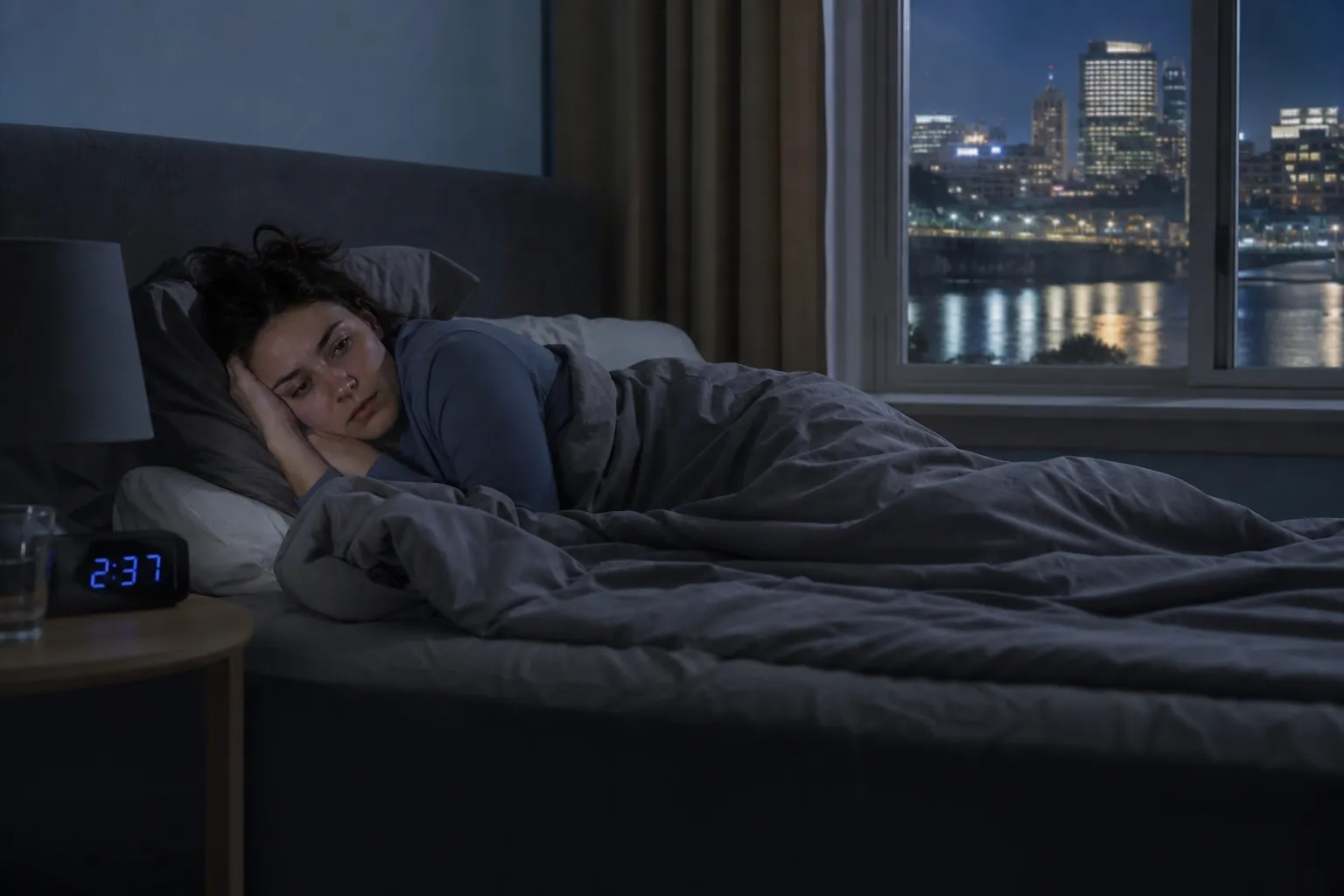
Social anxiety can make sleep harder by keeping the mind and body alert before, during, and after social situations. Worry about an upcoming interaction may delay sleep, while replaying conversations can interrupt rest afterward. Poor sleep can then contribute to fatigue, reduced concentration, irritability, and less capacity to handle the next day’s demands.
This pattern can become a cycle. Anxiety interferes with restorative sleep, low energy makes ordinary responsibilities feel harder, and that strain may increase worry about being observed or judged. Understanding the cycle can help an adult decide whether self-directed changes are enough or whether a behavioral health assessment would be useful.
Why social anxiety may interfere with sleep
Social anxiety disorder involves intense fear of being watched, judged, or scrutinized by others. According to the National Institute of Mental Health overview of social anxiety disorder, people may worry for weeks before a social situation and analyze their performance afterward. Either form of worry can extend into bedtime.
A person might mentally rehearse what to say in a meeting, anticipate embarrassment at an appointment, or revisit a brief exchange repeatedly. Physical tension, a racing heart, sweating, or an upset stomach may also make settling down difficult. The issue is not simply having an occasional restless night. The concern is a recurring pattern that affects rest, functioning, or emotional well-being.
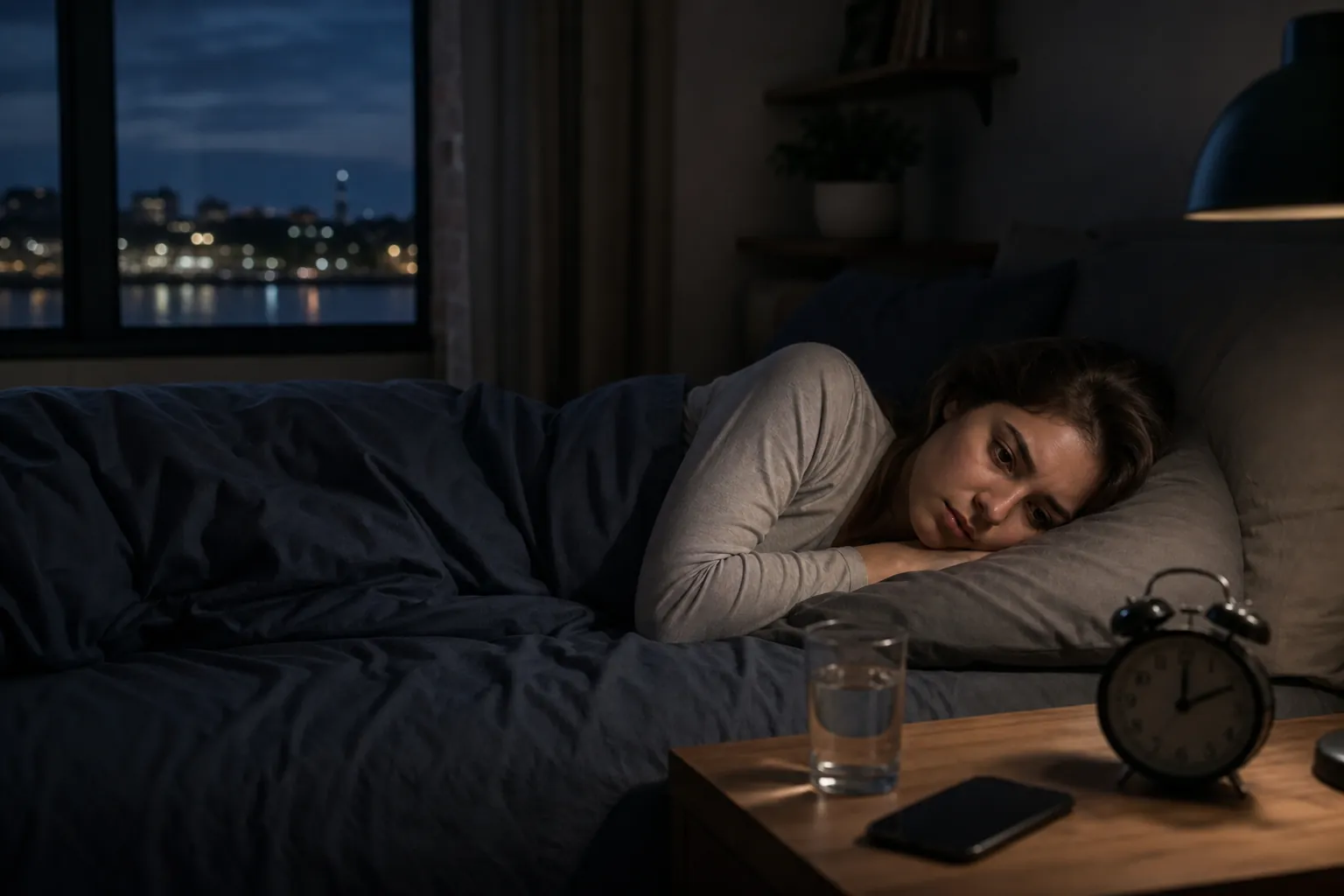
How disrupted sleep can affect daily energy
Insufficient or disrupted sleep may leave a person feeling physically tired and mentally slowed. Daily energy is more than wakefulness. It includes the capacity to concentrate, regulate emotions, make decisions, and stay engaged with responsibilities.
- Work or school tasks may require more effort because concentration feels less reliable.
- Conversations may feel harder to follow when fatigue reduces patience or mental flexibility.
- Routine errands may be postponed because both social contact and physical effort feel demanding.
- People may withdraw from supportive relationships to conserve energy or avoid anticipated judgment.
- Caffeine, daytime sleeping, or irregular schedules may temporarily address fatigue while making nighttime sleep more difficult for some people.
These experiences can have several causes. Anxiety may contribute, but sleep problems and low energy can also occur alongside medical conditions, substance use, medication effects, depression, or other behavioral health concerns. A qualified professional can help evaluate the broader picture rather than assuming every symptom comes from social anxiety.
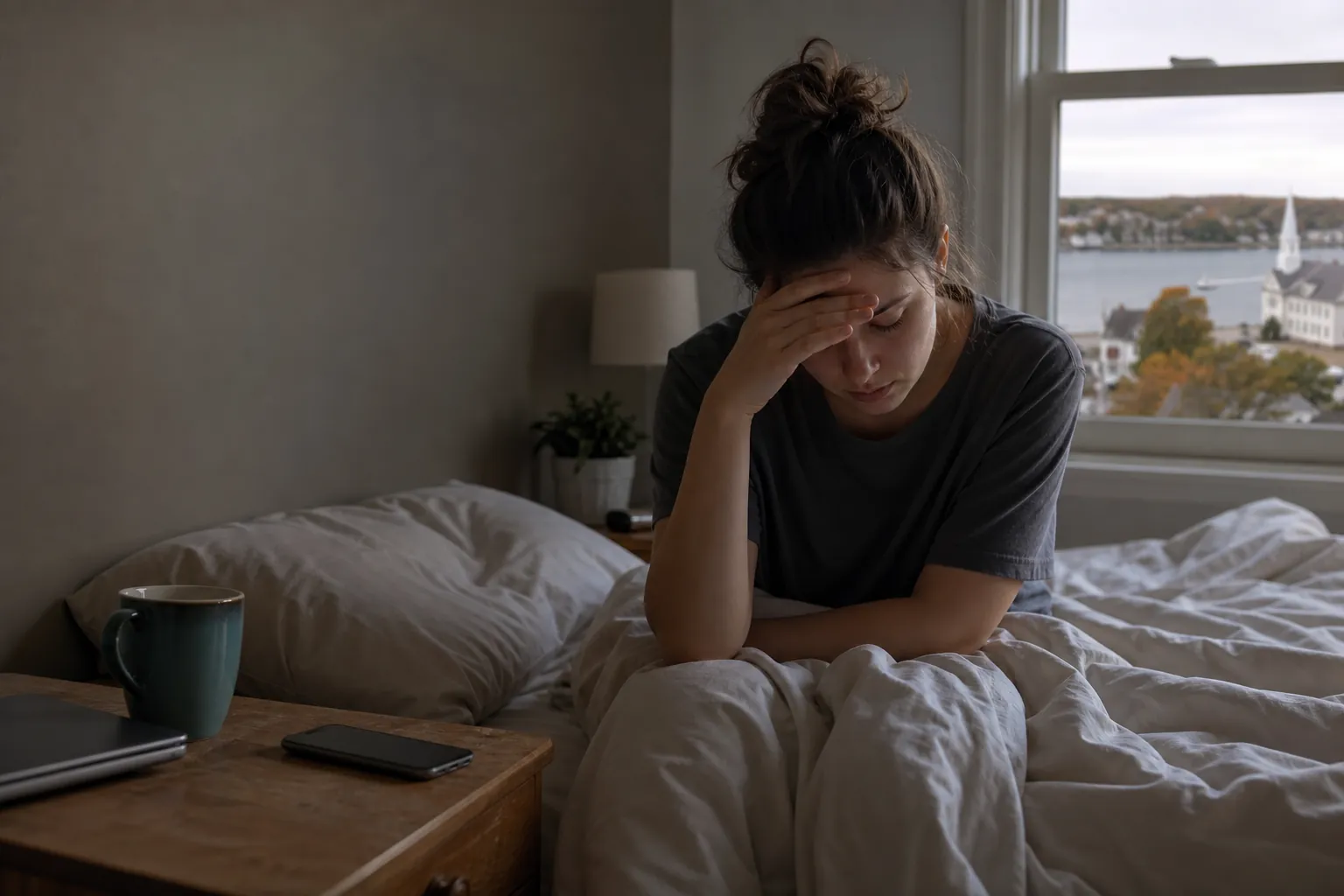
Recognizing the anxiety, sleep, and avoidance cycle
A common pattern begins with anticipation. An adult expects a social or performance situation and becomes increasingly alert. Sleep is shortened by worry. The next day, fatigue makes the situation feel more difficult, which may increase self-consciousness or the urge to avoid it. Avoidance can bring short-term relief without resolving the fear.
After an interaction, the person may replay perceived mistakes at night. That restarts the cycle. Learning about social anxiety symptoms and treatment considerations can help people distinguish persistent impairment from ordinary nervousness.
Patterns worth discussing with a professional include sleep trouble linked to anticipated interactions, repeated cancellation of responsibilities, growing isolation, or fatigue that interferes with work, relationships, self-care, or decision-making. Sudden, severe, or unexplained physical symptoms should also be discussed with an appropriate medical professional.
Practical ways to reduce nighttime activation
Simple strategies may support rest, although they are not substitutes for individualized care when symptoms are persistent or significantly disruptive.
- Keep sleep and wake times reasonably consistent so the body has a predictable rhythm.
- Create a quiet transition before bed that reduces stimulating conversations, work, and scrolling.
- Notice whether caffeine, alcohol, or other substances are affecting anxiety, sleep onset, or nighttime waking.
- Use a calming activity, such as slow breathing or gentle stretching, without treating sleep as a performance test.
- Get out of bed briefly for a quiet activity if lying awake is increasing frustration, then return when sleepiness rises.
It may also help to make daytime choices based on function rather than complete comfort. Small, manageable participation in routine activities can prevent a tired day from turning into total withdrawal. The appropriate pace varies, particularly when anxiety is severe or another condition is present.
What outpatient care may involve
Behavioral health care may explore anxious thoughts, physical responses, avoidance patterns, sleep habits, daily structure, and co-occurring concerns. The level of care depends on symptom intensity, safety, functional impact, and whether the person can participate reliably while living outside a treatment setting.
Merrimack Valley Behavioral Health offers adult outpatient Partial Hospitalization Program (PHP), Intensive Outpatient Program (IOP), outpatient care (OP), and dual-diagnosis care. Virtual IOP is available only while the participant is physically in Massachusetts. In-person treatment is located at 77 Elm St, Amesbury, MA 01913.
Outpatient treatment does not include overnight monitoring. MVBH does not offer onsite detox, inpatient or residential care, overnight stays, or emergency care. Someone who needs medical detoxification, continuous supervision, or inpatient stabilization may require a different setting. If there is an immediate crisis or danger, call 988 or 911.
How family or trusted supporters can help
With the adult’s permission, a family member or trusted supporter may help by listening without minimizing the anxiety, encouraging consistent routines, and supporting treatment attendance. It is useful to avoid taking over every social task, because routinely removing all discomfort can reinforce avoidance.
Support can be practical and respectful. A loved one might offer transportation, share a calm evening routine, or ask what kind of help is welcome. The adult receiving care should remain involved in decisions whenever possible.
Taking the next step
If social anxiety, sleep disruption, and low energy are affecting daily functioning, call Merrimack Valley Behavioral Health at 978-233-9597. A call can begin with questions about current concerns and the available programs. Coverage varies by plan, and callers can confirm benefits.
The next steps may include a prescreen followed by an intake assessment to consider needs and outpatient fit. Calling does not promise admission or establish that a particular program is suitable. The assessment process helps clarify whether the available level of care may align with the person’s needs or whether another setting should be considered.
Frequently asked questions
Can social anxiety make me tired even if I sleep?
Yes. Ongoing worry, physical tension, disrupted sleep quality, and the effort of monitoring social situations may contribute to fatigue. Other behavioral health, medical, medication, or substance-related factors can also cause low energy, so persistent symptoms deserve a broader evaluation.
When should sleep problems and social anxiety be evaluated?
Consider an evaluation when the pattern persists, causes distress, or interferes with work, relationships, responsibilities, or self-care. Seek appropriate medical attention for sudden or concerning physical symptoms. In an immediate crisis, call 988 or 911.
Is outpatient treatment appropriate for every sleep-related anxiety problem?
No. Outpatient care may fit adults who can participate safely while living at home, but it does not provide overnight supervision, emergency response, inpatient stabilization, residential support, or onsite detox. A prescreen and intake can help clarify the appropriate level of care.
