

Grief can affect relationships at home by changing how people communicate, manage responsibilities, express affection, handle conflict, and seek support. One person may want to talk often, while another may become quiet or focus on practical tasks. These differences do not necessarily mean that anyone cares less. They often reflect distinct ways of responding to loss.
Loss can affect partners, relatives, roommates, and other members of a household. Understanding how grief relationships change can help people respond with patience while still addressing harmful patterns, unmet needs, or mental health concerns.
Why grief can create distance or conflict
People rarely grieve in exactly the same way or on the same schedule. One household member may seek closeness, while another needs solitude. A person who wants to discuss the loss may interpret silence as rejection. Someone who needs quiet may experience repeated questions as pressure.
Grief may also reduce a person's capacity for everyday communication. Conversations about bills, chores, parenting, or plans can feel harder when attention and emotional energy are strained. Irritability, misunderstandings, or avoidance may become more frequent.
It can help to separate intent from impact. A withdrawn family member may be trying to cope rather than punish others. At the same time, their withdrawal can still leave loved ones feeling isolated. Both experiences can be valid and worth discussing.

How roles and routines may change at home
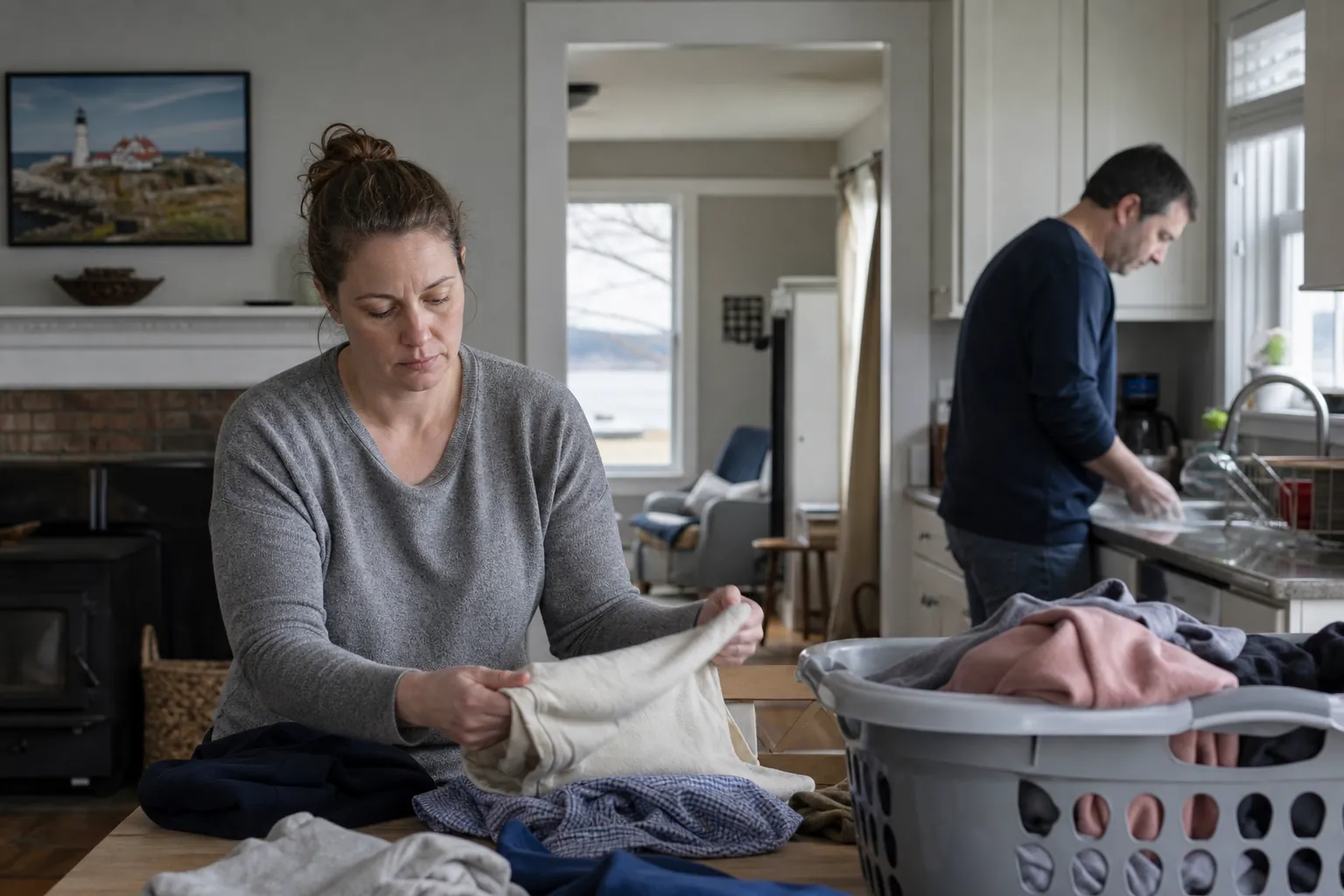
A death or other significant loss can disrupt the structure of a household. Tasks previously handled by one person may shift to someone else. Family members may also take on new caregiving, financial, parenting, or decision-making responsibilities.
Even familiar routines can carry emotional weight. Meals, weekends, holidays, anniversaries, and household traditions may feel noticeably different. Some people want to preserve these routines, while others find them too painful. Families may need to renegotiate expectations rather than assume everyone wants the same approach.
- Household members can identify which responsibilities need immediate attention and which can wait.
- Families can divide essential tasks based on current capacity rather than past roles.
- People can discuss traditions individually instead of expecting one decision to work for everyone.
- Partners and relatives can revisit arrangements as needs and energy levels change.
Ways to support communication without forcing it
Supportive communication makes room for differences. It does not require every person to share feelings in the same way. Brief, concrete questions may feel more manageable than broad demands to open up.
- Ask whether the person wants listening, practical help, company, or space.
- Use specific observations, such as noticing that meals or sleep routines have changed, without making accusations.
- Set a time to revisit important conversations if either person feels overwhelmed.
- Acknowledge that two people can remember the loss differently and still support each other.
- Keep reasonable boundaries when grief is expressed through yelling, threats, intimidation, or other unsafe behavior.
Basic self-care can also support the ability to relate to others. The National Institute of Mental Health describes self-care practices such as regular exercise, healthy meals, hydration, sleep, relaxing activities, setting priorities, and staying connected. These steps do not remove grief, but they can support mental health during a demanding period.
When grief may need professional attention
Grief itself is not a failure or something that follows a fixed deadline. However, professional support may be worth considering when emotional or behavioral changes are persistently interfering with relationships, responsibilities, or daily functioning. Concerns may include severe isolation, escalating conflict, substance use, or difficulty maintaining basic routines.
A clinician can help assess what is happening, including whether symptoms may relate to grief, depression, anxiety, trauma, substance use, or more than one concern. Treatment may involve identifying patterns, building coping skills, improving communication, and finding ways to live with the loss without requiring family members to grieve identically.
For more context, read Merrimack Valley Behavioral Health's overview of grief and loss, including common experiences and support options.
What family support can and cannot do
Family support can reduce isolation and make daily life more manageable. Loved ones may offer companionship, practical help, transportation, childcare, or a calm place to talk. They can also encourage care when the grieving person is struggling.
Family members cannot determine a diagnosis or guarantee that a particular level of treatment is appropriate. They also do not have to accept abusive or dangerous behavior in the name of grief. If conversations repeatedly become unsafe, protecting the people involved takes priority over resolving the disagreement in that moment.
If there is an immediate crisis or danger, call 988 or 911. Merrimack Valley Behavioral Health does not provide emergency care.
Deciding whether outpatient care may fit
Outpatient treatment may fit adults who can participate safely while continuing to live at home. The appropriate level depends on current symptoms, substance use, functioning, risks, and support needs. Merrimack Valley Behavioral Health offers adult outpatient partial hospitalization programming, intensive outpatient programming, outpatient care, and dual-diagnosis care. Virtual IOP is available only while the participant is physically in Massachusetts.
Outpatient treatment is not a substitute for medical detoxification, inpatient or residential care, overnight support, or emergency services. Merrimack Valley Behavioral Health does not offer onsite detox, inpatient or residential care, overnight stays, or emergency care. A prescreen and intake process can help determine whether an offered outpatient level may be appropriate, without promising admission or suitability.
How to ask about care and coverage
To discuss concerns and possible next steps, call Merrimack Valley Behavioral Health at 978-233-9597. During the call, staff can explain the prescreen and intake path. Because coverage varies by plan, callers can also ask to confirm their benefits.
In-person treatment is located at 77 Elm St, Amesbury, MA 01913. Asking for help does not obligate anyone to enter treatment. It can provide clearer information about available outpatient options, program limits, and whether a further assessment makes sense.
Frequently asked questions
Can grief make family members feel disconnected?
Yes. Different needs for conversation, solitude, affection, and routine can create distance. Naming those differences directly can reduce assumptions about what another person's behavior means.
Should a family avoid talking about the loss?
Not necessarily. It is often better to ask whether someone wants to talk rather than either forcing the subject or avoiding it completely. Consent and timing matter.
When should someone seek more support?
Consider professional support when grief-related changes are persistently disrupting daily functioning or relationships, or when substance use, severe isolation, or escalating conflict raises concern. In a crisis, call 988 or 911.
