
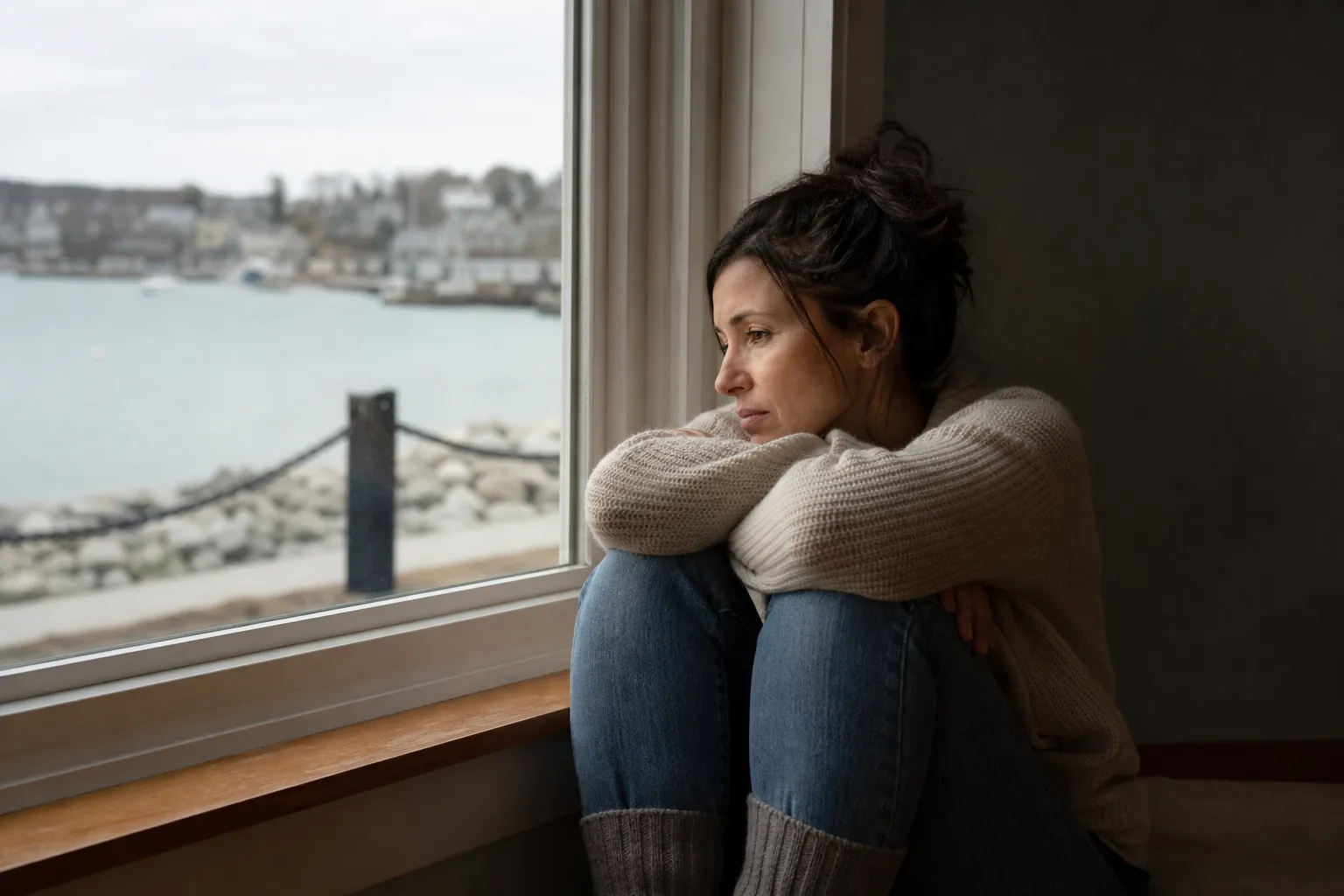
Adjustment disorder in women can appear as anxiety, sadness, irritability, withdrawal, physical tension, or difficulty managing everyday responsibilities after an identifiable stressor. It does not have one distinctly “female” presentation. Personal circumstances, social expectations, health factors, relationships, and the type of stressor can all influence which signs become most noticeable.
The central issue is not whether someone responds to stress in a stereotypically female way. It is whether emotional or behavioral symptoms connected with a stressful event are causing significant distress or interfering with work, relationships, self-care, or other parts of life. A qualified professional can assess the whole picture rather than relying on a single symptom.
Why adjustment disorder may look different from person to person
Adjustment disorder follows a significant source of stress or life change, but people do not all experience the same stressors or reactions. One woman may feel persistently worried after a job loss. Another may become tearful and withdrawn during a divorce. Someone else may feel angry, restless, or unable to concentrate while caring for an ill family member.
Women may also face overlapping pressures involving caregiving, relationships, employment, finances, discrimination, safety, reproductive experiences, or changes in family roles. These circumstances do not automatically cause a disorder, but they may shape how distress is experienced and expressed.

Signs that can be easy to overlook
Some reactions are recognizable as emotional distress. Others may initially seem like exhaustion, conflict, reduced productivity, or trouble keeping up. Possible signs include:
- A woman may feel anxious, tense, sad, hopeless, irritable, or unusually overwhelmed after a stressful event.
- She may pull away from friends, family, work, or activities that normally matter to her.
- She may have trouble concentrating, making decisions, sleeping, or completing routine responsibilities.
- She may experience increased conflict, impulsive behavior, or changes in how she responds to other people.
- She may appear outwardly capable while experiencing substantial distress privately.
These experiences can occur in several mental health conditions and can also be part of a temporary stress response. Symptoms alone cannot establish a diagnosis. Their connection to a stressor, severity, timing, duration, and effect on functioning all matter.
How life stage and context can shape symptoms
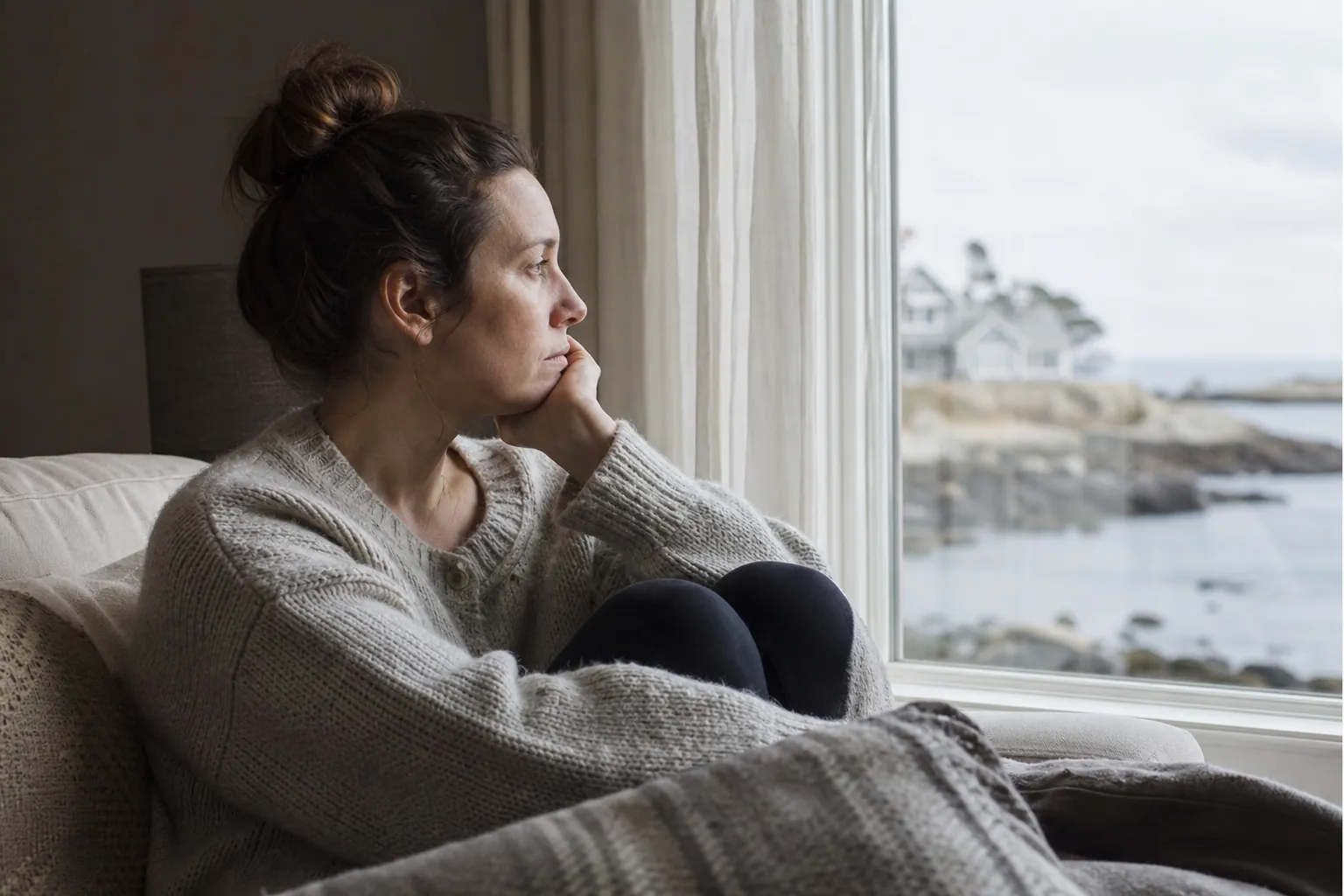
Context can affect what adjustment disorder looks like. A student leaving home, a parent navigating a family change, a worker experiencing a layoff, and an older adult facing retirement or bereavement may each respond differently. Cultural expectations and family roles can also affect whether distress is expressed openly, minimized, or focused on physical complaints.
It is important not to assume that anxiety, sadness, or irritability is simply expected because a woman is under pressure. Stress reactions deserve attention when they become intense, persist, or disrupt daily life. It is equally important not to label every difficult response as a disorder. Assessment helps distinguish adjustment disorder from ordinary distress and from conditions that may require a different approach.
Deciding when to seek an assessment
Consider speaking with a behavioral health professional when distress feels hard to manage, relationships are deteriorating, work or home responsibilities are becoming difficult, or coping methods are creating additional problems. An assessment may also be useful when symptoms do not begin to ease as circumstances change.
A clinician may explore:
- They may ask what stressor or transition occurred and how the person responded.
- They may consider how symptoms affect work, relationships, sleep, self-care, and decision-making.
- They may evaluate whether anxiety, depression, trauma-related symptoms, substance use, or another concern better explains the experience.
- They may discuss the person’s strengths, support system, safety, and current coping strategies.
For more detail about symptoms and treatment considerations, visit Merrimack Valley Behavioral Health’s guide to understanding adjustment disorders.
What outpatient care may involve
Care for adjustment disorder can focus on understanding the stress response, developing practical coping skills, improving emotional regulation, addressing relationship strain, and restoring daily functioning. The appropriate intensity depends on symptom severity, safety, substance use, available support, and how much structure a person needs.
Merrimack Valley Behavioral Health offers adult outpatient partial hospitalization programs, intensive outpatient programs, outpatient care, and dual-diagnosis care. Virtual IOP is available only while the participant is physically in Massachusetts. In-person treatment takes place at 77 Elm St, Amesbury, MA 01913.
Outpatient care is not appropriate for every situation. MVBH does not provide onsite detox, inpatient or residential care, overnight stays, or emergency care. Someone who needs medical withdrawal management, continuous supervision, overnight support, or emergency intervention requires a different level or setting of care.
How family members can offer useful support
Supportive relatives or trusted friends can listen without minimizing the stressor, ask what kind of help feels useful, and encourage professional care when functioning is declining. Practical support with ordinary responsibilities may reduce pressure, but loved ones should avoid taking complete control or assuming they can diagnose the problem.
Families can also pay attention to abrupt changes in behavior, increasing isolation, substance use, or statements about self-harm. The National Institute of Mental Health’s guidance on finding help explains options for routine mental health support and urgent situations. In a crisis, call 988 or 911.
What happens when you contact MVBH
To ask about adult outpatient care, call Merrimack Valley Behavioral Health at 978-233-9597. During the initial call, you can ask questions and discuss the general reason for seeking support. Coverage varies by insurance plan, and callers can confirm their benefits.
The next steps may include a prescreen to gather relevant information and consider whether an MVBH outpatient program could be an appropriate option. If the available level of care appears potentially suitable, the process may continue to intake. Calling, completing a benefits check, or participating in a prescreen does not promise admission or establish that a particular program is suitable.
Frequently asked questions about adjustment disorder in women
Is adjustment disorder more severe in women?
Severity cannot be determined by gender. The intensity of symptoms, effect on daily functioning, safety concerns, other health conditions, substance use, and available support are more useful considerations.
Can adjustment disorder be mistaken for anxiety or depression?
Yes. Adjustment disorder can include anxious or depressed symptoms, but diagnosis depends on the broader clinical picture and relationship to a stressor. A professional assessment can consider whether another condition better accounts for the symptoms.
Can women receive virtual treatment for adjustment disorder?
MVBH offers Virtual IOP only when the participant is physically located in Massachusetts. Whether that program or another outpatient option is appropriate depends on an individual assessment and level-of-care needs.
