
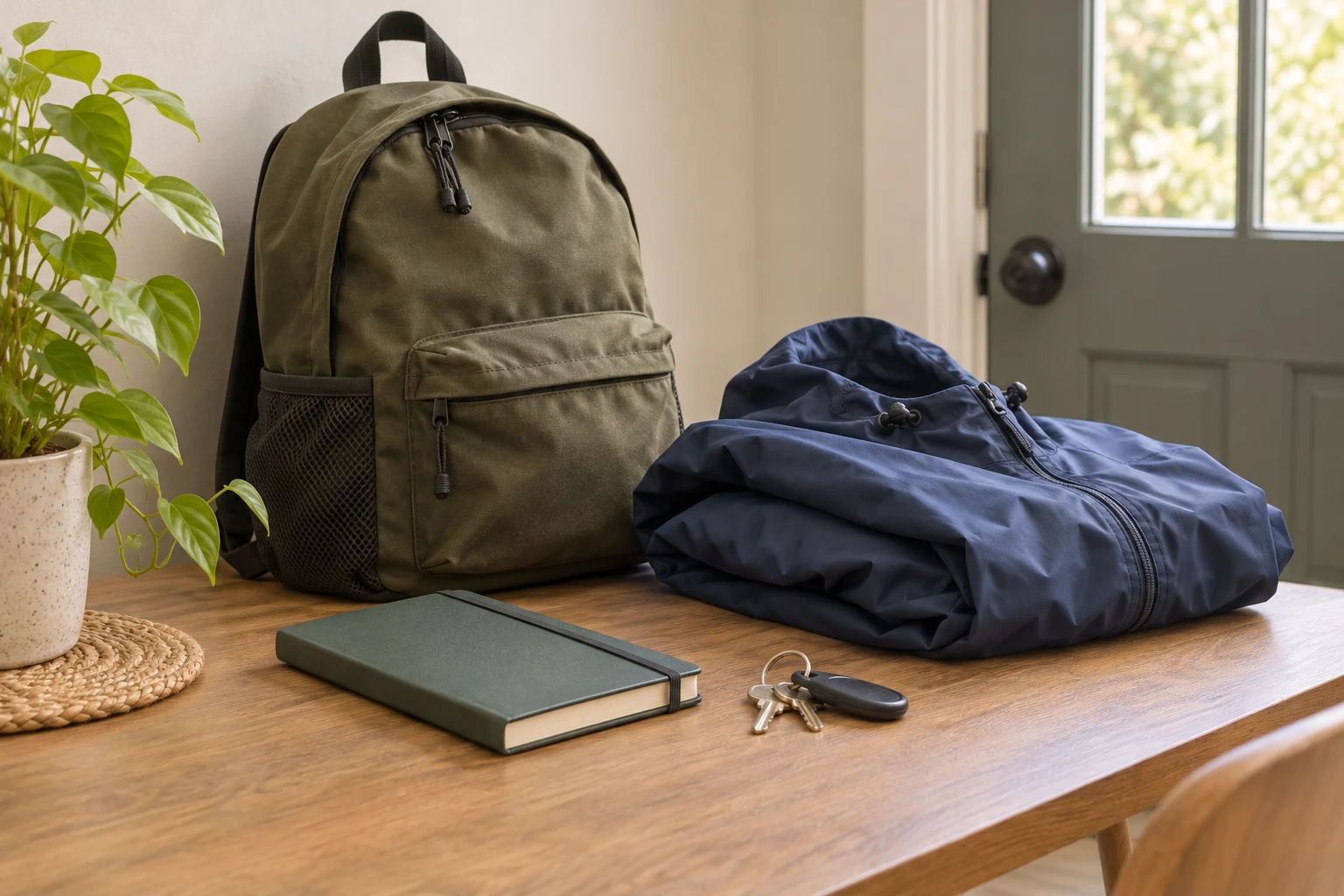
Before attending an in-person IOP appointment, confirm what to do with the belongings you need for the trip. A coat, work bag, phone and set of keys can create different practical needs. The useful answer is not a generic packing list. It is a clear explanation of where your particular items can go and whether you can reach them during your visit.
At Merrimack Valley Behavioral Health, IOP means Half Day Treatment. It is outpatient care without an overnight stay. MVBH’s PHP means Full Day Treatment, also provided in a non-hospital outpatient setting. Neither name establishes a belongings-storage arrangement.
For broader context, the MA mental health treatment overview explains outpatient options and the separate conversations involved in exploring care. Belongings planning is a narrower administrative task: confirm arrangements before deciding what to carry.
Start With The Details That Change Your Packing
The National Institute of Mental Health recommends preparing questions and concerns before a health care visit, noting that appointment time is limited. That preparation method can also help organize a separate logistics conversation. Write down the items you actually expect to bring, then identify which answers would change your packing or transportation plans.
Think through the whole trip rather than only the time inside the building. Someone going directly home may need little beyond a coat and small bag. Someone arriving from work may also have a laptop, lunch container or uniform. These are planning examples, not statements about what MVBH permits or provides.
- Items needed for travel: Identify keys, fare payment, a phone or anything else needed to arrive and return home.
- Items connected to another stop: Note work equipment, shopping or belongings needed before or after the appointment.
- Items requiring access: Mark anything you expect to retrieve during the visit rather than only at departure.
- Optional items: Separate belongings you could leave elsewhere from those that must accompany you.
This inventory is for your own preparation. It does not need to become a detailed message about everything you own. When contacting the program, describe the item that creates the uncertainty, such as a backpack containing work equipment or a bulky winter coat.
Separate permission, placement and access in your notes. An answer about bringing a bag does not necessarily explain where it goes. An answer about placement does not necessarily explain whether belongings remain with you. Getting those distinctions clear is more useful than treating a general reassurance as a complete packing plan.
Compare Coats, Bags, Valuables And Daily Essentials
Different belongings create different decisions. Size matters for a coat or backpack; value and access may matter more for a phone or laptop. Use the comparison below to identify what needs confirmation. None of the possible arrangements is a statement that MVBH has lockers, holds items for safekeeping or operates a particular storage policy.
| Item Category | Detail To Describe | Arrangement To Confirm | Packing Decision |
|---|---|---|---|
| Coats and weather gear | Bulky coat, wet umbrella or extra layer | Whether and where these items can be placed | Choose layers and carrying options after clarification |
| Backpacks and work bags | Approximate size and reason for carrying | Whether the bag can accompany you and where it belongs | Bring the smallest workable bag consistent with the answer |
| Valuables and electronics | Phone, laptop, wallet or other valuable item | Whether you keep possession or another arrangement applies | Leave optional valuables elsewhere when practical |
| Frequently needed items | An item you expect to retrieve during the visit | How access would work | Arrange your bag around the confirmed instructions |
For coats, describe the likely condition as well as the size. A dry jacket and a dripping raincoat present different practical questions. Ask where wet outerwear or an umbrella should go rather than assuming that a coat rack, drying space or umbrella stand exists.
For bags, explain the relevant feature without oversharing. “A backpack with a work laptop” gives more useful context than “some personal things.” If you need a larger bag because you are traveling directly from another obligation, say so. Ask whether its size affects the arrangements.
For valuables, clarify possession and access separately. Ask whether you would keep the item with you, whether any storage option exists and what that option involves. Do not interpret the word “storage” alone as confirmation of a lock, supervision or protection against loss.
For an item that needs to stay within reach, explain the practical access requirement. If explaining it would involve private health information, ask which appropriate channel to use. A general website message is not the place to provide a diagnosis, medication list or other sensitive details.
Plan For Work, Weather And Transportation
Arriving directly from work. A laptop or work bag may be difficult to leave behind when your appointment follows a shift. Before changing your workday, ask whether you can bring that specific bag and how belongings are handled. If the answer does not resolve the issue, compare alternatives such as collecting the equipment later or changing where you leave it before traveling.
Those alternatives depend on your circumstances. They are not instructions to leave valuables in a vehicle or an unsecured place. The goal is to find a workable plan based on a direct answer, not to replace one uncertain storage arrangement with another.
Traveling without a car. If you are walking, taking transit or being dropped off, everything you carry may need to remain with you until the return trip. Mention that constraint. It explains why a suggestion to leave a bag elsewhere might not work. Confirm arrangements before making a separate journey solely to drop off belongings.
Preparing for changing weather. Check what you will need outdoors, then ask about managing those items indoors. A coat, hat and umbrella may be necessary for travel even when you would otherwise prefer to carry less. Do not leave behind needed weather protection based on an assumption that bulky items cannot be accommodated.
Combining the visit with errands or caregiving. Grocery bags, a second person’s belongings or supplies for another stop can complicate an otherwise simple trip. Describe the added bag and ask whether bringing it creates a logistical issue. If possible, compare moving the errand with carrying the extra items, using the confirmed information rather than an imagined rule.
Receiving help with transportation. If a friend or relative will take an item home for you, settle that handoff before arrival when practical. Ask about any facility-related part of the plan rather than assuming the person can enter, wait inside or collect belongings later. Keep the arrangement specific to the help you actually need.
Contact MVBH With A Focused Logistics Request
MVBH’s contact page for adult outpatient inquiries identifies logistical questions, including what to bring, as matters to discuss when reaching out. Use that route to request clarification about belongings before your visit. Include basic contact information and the practical issue, without adding sensitive clinical details to a general form.
A short request can contain enough context: “I am planning an in-person Half Day Treatment visit and will be arriving directly from work with a backpack and laptop. Please explain whether I can bring them, where they would go and how access works.” This wording requests information without presuming a locker or a prohibited-item policy.
The NIMH psychotherapy overview describes preliminary conversations as a way to understand how treatment will proceed, and notes that these conversations may happen in person, by phone or virtually. Belongings arrangements are a separate administrative topic. The NIMH information does not establish any MVBH storage practice.
If the reply uses broad language, follow up on the one detail that still affects your decision. For example, “You can bring a bag” may settle permission but leave placement unanswered. Repeating your specific concern is more useful than asking for every possible rule.
Record the answer in your own words, including the item discussed and the visit it concerns. If written instructions are available, ask how to obtain them. Do not assume an answer about one item applies to another, or that an arrangement discussed for an initial appointment automatically covers every later visit.
Turn The Reply Into A Simple Arrival Plan
Once you have a clear response, turn it into a small set of actions rather than a long packing checklist. The plan should reflect what was actually confirmed. Leave unresolved details visibly marked so they do not become assumptions while you are preparing to leave.
- Match the bag to the answer. Pack for the belongings and size you discussed rather than adding a second, unconfirmed bag.
- Separate departure essentials. Know where your keys, fare payment and other return-trip items will be within the confirmed arrangement.
- Check the weather-related items. Revisit the plan if a dry-day jacket has become a bulky coat and wet umbrella.
- Keep the clarification available. Save your notes or written instructions so you can accurately explain what you were told.
When an answer remains unclear, identify the smallest unresolved decision. Perhaps you know a backpack can come with you but still need to understand access to it. Or you know how a coat will be handled but have not discussed a work laptop. Follow up on that gap instead of treating the entire plan as settled.
If your circumstances change, describe the change directly. A different bag, an added stop or a new transportation arrangement may require a fresh answer. There is no need to turn a belongings question into a discussion of symptoms or treatment intensity.
On arrival, raise any remaining uncertainty before placing an item somewhere based only on a guess. If the instructions differ from what you understood, explain the earlier conversation and ask for the current arrangement. This is a practical clarification, not a reason to infer a policy from another facility or from someone else’s experience.
A workable plan lets you account for what you bring, understand the confirmed arrangement and prepare for the trip home. It does not require assuming that storage is available. It requires asking about the belongings that matter to your day and using the answer to make a realistic packing decision.
Does MVBH provide lockers for IOP belongings?
Do not assume that lockers are available. Ask MVBH directly whether any storage arrangement exists for the items you expect to bring. If an option is described, clarify whether it is individual or shared, how access works and whether you retain possession. A general reference to storage does not answer those details.
Can I bring a backpack or work laptop?
Confirm this before the visit rather than relying on a general packing suggestion. Describe the bag’s approximate size and explain that it contains work equipment if that affects your planning. Ask separately whether it can accompany you, where it would go and whether you could access it during the visit.
What should I do about a winter coat or wet umbrella?
Ask how to handle the specific outerwear you need for the journey. Mention bulky or wet items because those details may affect the answer. Do not assume a coat rack or drying area exists, and do not leave behind needed weather protection based on an unconfirmed belief about available space.
How much detail belongs in a website message about belongings?
Include basic contact details and a brief description of the logistical issue, such as needing to bring a work bag. Keep diagnoses, medication information and other sensitive health details out of a general website form. If an item requires a private explanation, ask MVBH how to discuss it through an appropriate channel.
Should I reconfirm arrangements if my bag or travel plans change?
Yes, when the change affects the arrangement you discussed. An answer about a small bag may not resolve a question about a larger work bag or additional belongings. Explain what changed and ask about that specific difference. Keep your packing plan tied to the items and visit actually discussed.