
77 Elm St, Amesbury, MA 01913 978-233-9597
Verify Insurance Admissions 24-Hour Admissions
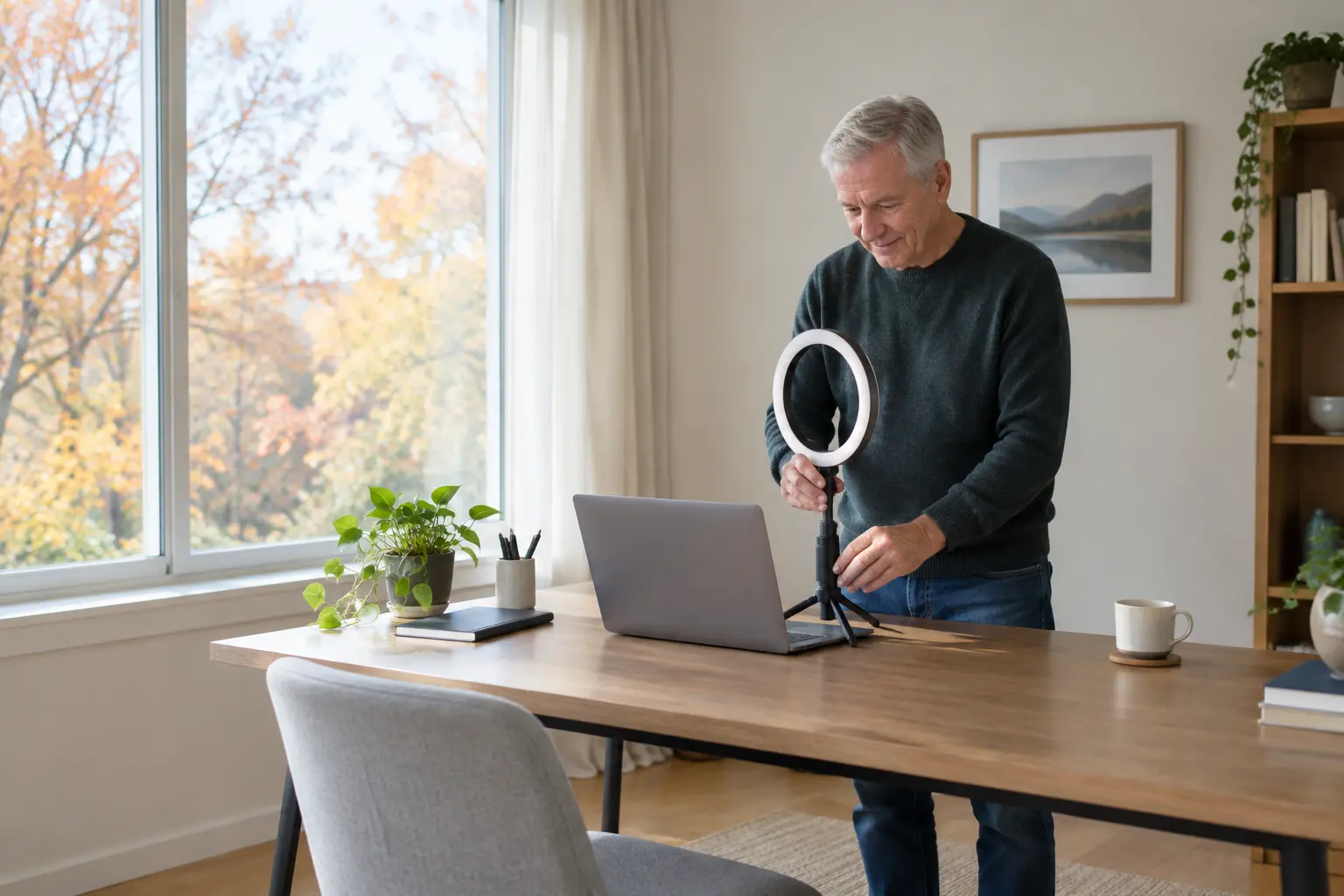
An older man with gray hair sets up a laptop at a tidy desk.

Family Role for Private Treatment Space

Approved by Clinical Staff

Family participation in a private treatment space is directed by the person receiving care. Family members may be included in treatment as that person desires. Protected health information disclosed to an involved family member, relative, close friend, or identified person is limited to information directly relevant to that person’s involvement in care or payment.

How family role relates to Virtual IOP

Start with the verified Massachusetts virtual IOP description, then use MVBH admissions for the route’s admissions context. Virtual IOP is remote, while family participation remains a separate decision.

Virtual IOP is verified as a remote outpatient option for eligible adults. Every live session requires the participating adult to be physically present in Massachusetts. The supplied evidence does not establish access, scheduling, technology requirements, coverage, or individual eligibility.

Within this route, the family-role decision is distinct from the program format. A remote session can occur where other people live or spend time, but nearby presence does not itself establish treatment participation. The cited guidance frames family inclusion around what the person in care desires.

This creates two separate decisions: whether someone participates and whether any protected health information is shared with that person. Keeping those questions separate helps define the intended role without assuming that a relative, friend, or household member should hear the session.

Decisions that define a family member’s role

Review MVBH admissions for the admissions route, and compare the weekly routine for private treatment space. The central family-role question is whether another person is merely nearby or intentionally involved.

A useful first distinction is between support, participation, and information access. A person may be nearby without joining treatment. Someone may also be identified for a limited role related to health care or payment without receiving information beyond that role.

The treatment-quality guidance says family members can be included as desired by the person in care. It does not define a universal family role. The federal provision names family, other relatives, close personal friends, and other people identified by the individual.

For this route, clarify who is intended to participate, why that person is involved, and whether the role concerns care, payment, or neither. These questions organize the privacy decision. They do not determine eligibility, a level of care, or a treatment plan.

What the evidence supports and limits

The weekly routine for private treatment space offers adjacent planning context, while outpatient treatment programs shows the broader route. The evidence here supports desired family inclusion and role-relevant information boundaries.

The federal provision supports disclosure to specified people under the cited regulatory conditions. The information must be directly relevant to that person’s involvement with the individual’s health care or payment related to health care. It does not support unlimited access to protected health information.

The treatment-quality source addresses a different point. It says family members can be included in the treatment process as desired by the person in care. That evidence supports personal choice about inclusion, but it does not define what every family member may know.

Together, these boundaries support a focused distinction. Inclusion concerns whether a person takes part. Disclosure concerns which relevant information may be shared for that person’s involvement. Neither source establishes MVBH scheduling, session procedures, or a assured form of family participation.

Keeping the role clear across the outpatient route

See outpatient treatment programs for MVBH’s verified program scope, then review mental health conditions as a separate navigation path. Family-role planning should not be treated as a program assignment or condition-specific conclusion.

MVBH’s verified program scope consists of PHP, IOP, OP, Virtual IOP, and Dual Diagnosis. This page focuses only on the family-role question within the Virtual IOP privacy route. It does not compare those programs or assign a person to one.

For continuity, document the distinction between an identified participant and an uninvolved person who may share the surrounding space. Also distinguish treatment involvement from payment involvement because the federal provision recognizes both while limiting information to what is directly relevant.

Preferences can be revisited as circumstances change. That statement reflects decision organization, not a promise about program procedure. The supplied facts do not establish appointment access, family-session formats, response times, or whether any specific participation request will be offered.

Context for the next family-role conversation

Use mental health conditions and therapy services as separate context pages. For this privacy route, keep the next conversation centered on the person’s desired family involvement and the information directly relevant to that role.

The next useful question is not whether family participation is generally good or bad. It is whether the person in care wants a particular person involved, what that involvement means, and what information is directly relevant to the stated role.

For a private treatment setting, distinguish intended participation from incidental household presence. Then clarify whether the identified role concerns health care, payment, or direct treatment participation. This framing stays within the supplied evidence and avoids assuming broad permission from a family relationship alone.

MVBH is located at 77 Elm Street in Amesbury, Massachusetts, inside the historic Mill 77 building. That address provides location context. It does not alter the verified requirement that an eligible adult using Virtual IOP be physically present in Massachusetts during every live session.

Clarify the family role before a virtual session

  • Identify who, if anyone, should participate
  • Define the person’s intended role
  • Separate participation from nearby household presence
  • Discuss what information is directly relevant
  • Revisit preferences when circumstances change
FAQ

Frequently Asked Questions

Does a family member have to participate?

No. The cited treatment-quality guidance says family members can be included in the treatment process as desired by the person in care. It does not state that family participation is required. This distinction keeps the choice with the person receiving care rather than treating household presence or family interest as automatic participation.

Who can have a recognized support role?

The cited federal provision covers a family member, another relative, a close personal friend, or another person identified by the individual. Any permitted disclosure under that provision is limited to protected health information directly relevant to the person’s involvement with health care or payment related to that care.

Does sharing a home automatically include someone in treatment?

No. Physical presence nearby and inclusion in treatment are separate questions. The supplied guidance says family members can be included as desired by the person in care. The federal provision separately limits disclosure to information directly relevant to an identified person’s involvement with care or payment.

What location rule is verified for Virtual IOP?

The verified Virtual IOP description says it is a remote outpatient option for eligible adults who are physically present in Massachusetts during every live session. It does not establish a different location rule for family participation. This page does not extend the service across state lines or infer eligibility from a family member’s location.

What MVBH program and location context is verified?

MVBH’s verified scope includes PHP, IOP, OP, Virtual IOP, and Dual Diagnosis. The facility is at 77 Elm Street in Amesbury, Massachusetts, inside the historic Mill 77 building. These facts provide organizational context only and do not establish availability, coverage, eligibility, or a particular family arrangement.

A clear next step starts with a conversation.

Call MVBH or review plan-specific benefits.

If you are in crisis or having thoughts of suicide: call or text 988 (Suicide & Crisis Lifeline) or 911. MVBH is not an emergency service.