
77 Elm St, Amesbury, MA 01913 978-233-9597
Verify Insurance Admissions 24-Hour Admissions
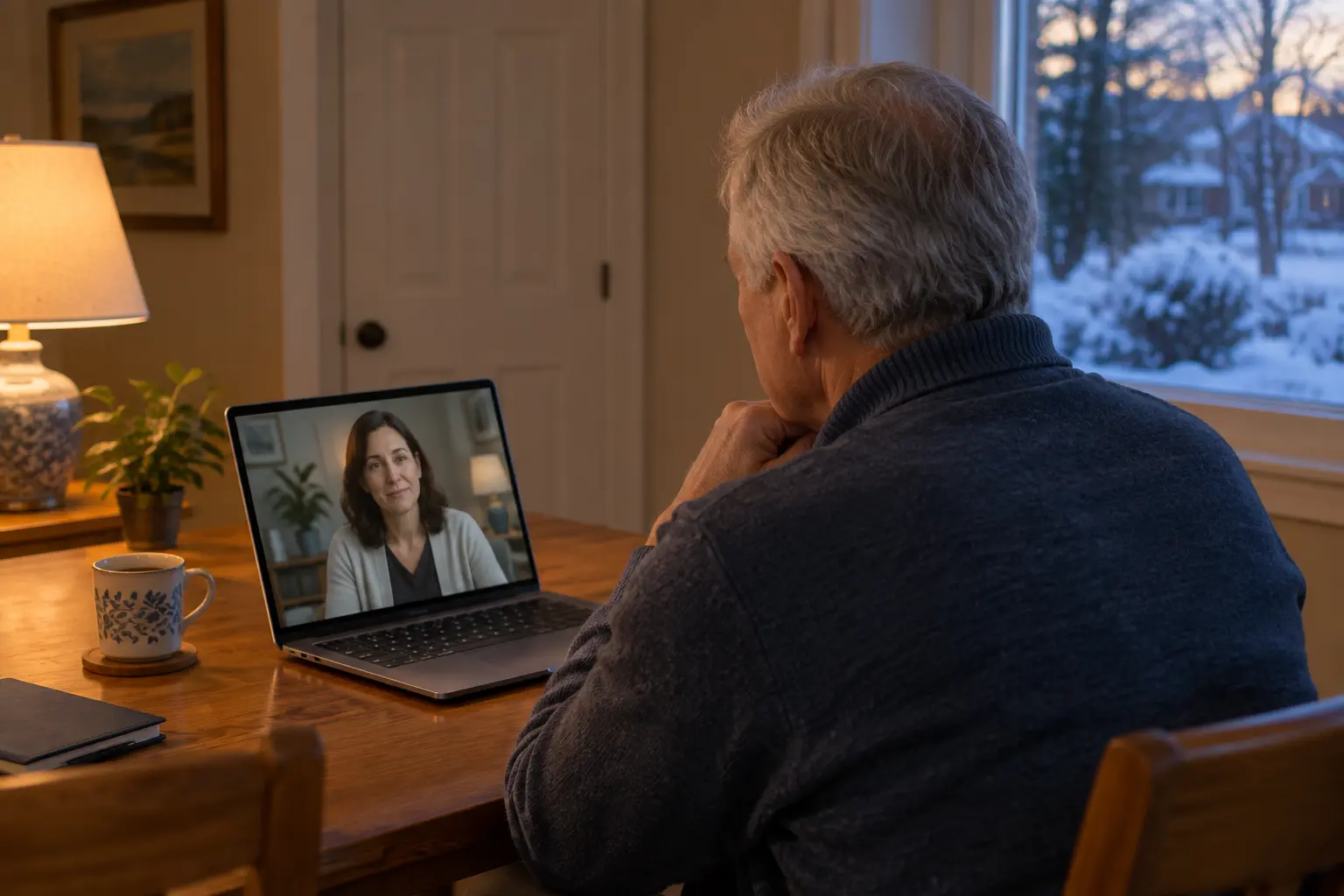
An older man with gray hair in a private video session at home.

Weekly Routine for Group Participation

Approved by Clinical Staff

A weekly routine for group participation should be evaluated through confirmed session expectations, the Massachusetts presence requirement, and how remote attendance fits recurring responsibilities. The supplied facts do not establish meeting days, frequency, session length, or scheduling flexibility, so those details should be verified through admissions.

Start with the verified Virtual IOP scope

Review Massachusetts virtual IOP first, then use MVBH admissions for schedule details not established by the evidence. The confirmed scope supports a focused routine review while keeping unknown program logistics separate.

MVBH’s verified program scope includes PHP, IOP, OP, Virtual IOP, and Dual Diagnosis. Within that scope, Virtual IOP is described only as a remote outpatient option for eligible adults. This establishes the program category, not a particular weekly calendar.

For a routine decision, separate confirmed structure from unanswered logistics. Remote participation is confirmed. Eligibility is referenced but not defined. Group frequency, attendance windows, breaks, session duration, and work outside live sessions are not provided. Admissions is the appropriate route for obtaining those program-specific details without assuming them.

Compare the routine with fixed weekly responsibilities

Contact MVBH admissions for the actual schedule, and use the op comparison for group participation to organize a program-level comparison. Focus on confirmed recurring expectations rather than assumptions about remote convenience.

A useful comparison begins with recurring obligations. Identify fixed work, education, caregiving, transportation, and personal commitments, then compare them with the confirmed session pattern obtained from admissions. This is a planning method, not a statement about the program’s hours or flexibility.

Group participation also raises practical questions beyond start time. Ask whether every listed group is required, how schedule changes are communicated, and whether separate activities affect the same week. The supplied evidence answers none of those questions. Keeping them explicit prevents a remote format from being mistaken for an unrestricted schedule.

Keep general treatment evidence within its limits

The op comparison for group participation can frame the decision, while outpatient treatment programs provides broader program context. Neither link should substitute for confirmed details about group methods, family involvement, or weekly timing.

The supplied treatment evidence names motivational interviewing, CBT, CPT, psychoeducation, supportive therapy, social skills training, and behavioral management training for youth as examples of evidence-based practices. It does not connect a particular practice to MVBH Virtual IOP groups.

It also states that family members can be included in treatment when desired by the person in care. This does not establish family sessions, timing, frequency, or requirements within this program. For weekly planning, treat group methods and family involvement as questions to verify. Do not build a routine around general treatment examples.

Apply the Massachusetts rule to every live session

Use outpatient treatment programs to understand the verified program range, then review mental health conditions for separate condition information. For this route, the decisive confirmed access boundary concerns physical presence during live sessions.

Every live Virtual IOP session requires the participating eligible adult to be physically present in Massachusetts. That condition should be applied to the whole recurring schedule. A remote connection does not remove the state-presence boundary.

Review predictable location changes, including travel weeks or routines split between places. The evidence does not support cross-state virtual participation. It also does not provide technology requirements, attendance procedures, make-up rules, or responses to interruptions. These are separate operational questions for admissions. MVBH’s physical location is 77 Elm Street in Amesbury, inside the historic Mill 77 building, but no in-person requirement should be inferred.

Bring focused routine questions to admissions

Review mental health conditions and therapy services as separate context before contacting admissions. A useful next step is to collect the missing schedule facts needed for a weekly comparison, without treating general therapy examples as Virtual IOP requirements.

Prepare a short list before contacting admissions. Request the recurring days, exact session windows, expected weekly frequency, group participation requirements, and any separate scheduled components. Ask which details are fixed and which may change. These questions seek facts rather than presuming flexibility.

Then compare the full pattern with recurring obligations and Massachusetts location plans. Keep treatment-content questions separate from schedule questions, since the supplied general evidence does not define MVBH’s group format. This approach produces a clearer weekly-routine decision while respecting the limits of the verified information.

Check the weekly routine before proceeding

  • Confirm recurring session days and times
  • Ask how group participation is structured
  • Plan for Massachusetts presence during live sessions
  • Compare expectations with recurring weekly responsibilities
  • Verify unanswered schedule details through admissions
FAQ

Frequently Asked Questions

How many group sessions occur each week?

No meeting frequency is provided in the supplied facts. They identify Virtual IOP as a remote outpatient option, but do not state how many groups occur each week. Ask admissions for the current recurring schedule and distinguish required live sessions from any other program activities before comparing the routine with work, family, or education commitments.

What days and times are Virtual IOP groups?

The evidence does not provide session days, start times, end times, or scheduling alternatives. Those details should not be inferred from the Virtual IOP label. Request the actual weekly pattern from admissions, then review the complete sequence rather than considering one session in isolation. A recurring schedule matters when comparing participation with other fixed responsibilities.

Can someone join a live group while outside Massachusetts?

Virtual IOP is described as remote, but eligible adults must be physically present in Massachusetts during every live session. The evidence does not support participation while physically located in another state. Anyone reviewing a weekly routine should account for where they will be during each live session, including weeks affected by travel or changing locations.

What happens during group participation?

The supplied facts identify examples of evidence-based practices, including motivational interviewing, CBT, CPT, psychoeducation, supportive therapy, social skills training, and behavioral management training for youth. They do not establish which practices appear in MVBH Virtual IOP groups or how often. Confirm the actual group format and recurring expectations directly with admissions.

Does the weekly routine include family participation?

Family members can be included in the treatment process when desired by the person in care, according to the supplied general treatment evidence. That fact does not establish a family component within MVBH Virtual IOP or its weekly schedule. Ask whether any family participation applies, whether it is optional, and whether it creates separate scheduling considerations.

A clear next step starts with a conversation.

Call MVBH or review plan-specific benefits.

If you are in crisis or having thoughts of suicide: call or text 988 (Suicide & Crisis Lifeline) or 911. MVBH is not an emergency service.