
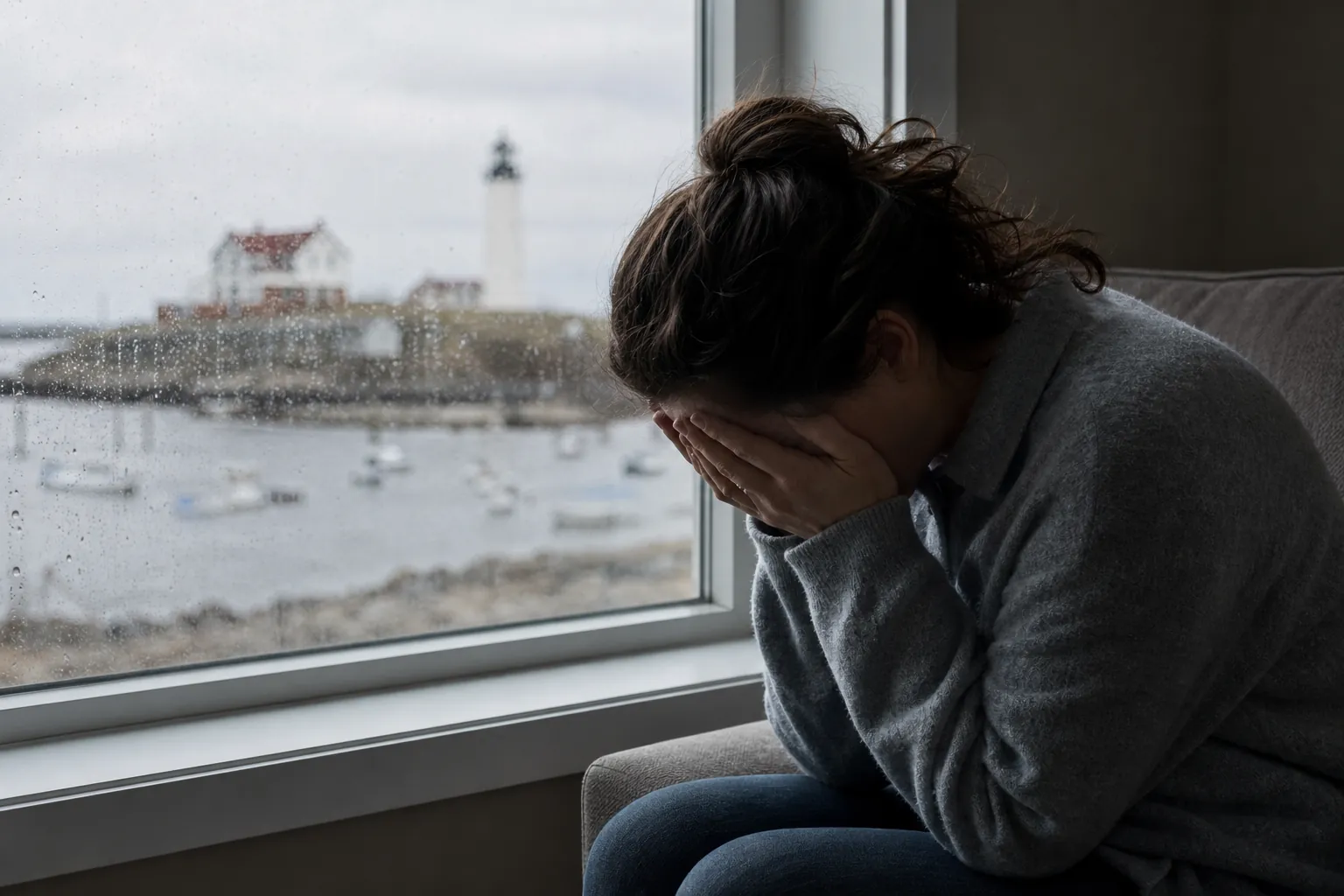
Panic disorder may be getting worse if panic attacks become more frequent or disruptive, fear of another attack occupies more of your day, or avoidance begins to limit work, relationships, travel, sleep, or routine activities. A single difficult day does not necessarily mean the condition has worsened. The clearer signal is a pattern of growing fear, restriction, or impairment.
It is also important not to assume every new physical symptom is caused by panic. A health professional can help evaluate unfamiliar, severe, or changing symptoms. If you are in immediate danger, experiencing a mental health crisis, or think symptoms may be a medical emergency, call 988 or 911.
Look for changes in the attacks themselves
Panic attacks involve sudden periods of intense fear or discomfort and may include a racing heart, sweating, trembling, shortness of breath, dizziness, chest discomfort, nausea, chills, or a sense of losing control. The National Institute of Mental Health explains panic disorder and its symptoms, including recurrent unexpected panic attacks and ongoing concern or behavior changes related to them.
Worsening can appear as a change in frequency, intensity, recovery, or impact. Useful signs to notice include:
- Attacks are occurring more often or seem harder to recover from afterward.
- Symptoms are interfering more with sleep, concentration, work, or conversations.
- You are seeking reassurance repeatedly because physical sensations feel increasingly threatening.
- You remain distressed for long periods because you fear that another attack could begin.
- You are making more decisions based on whether escape or help would be available.

Notice whether fear between attacks is expanding
Panic disorder is not measured only by the moments when an attack occurs. Anticipatory anxiety, meaning persistent fear about the next attack, can become a major source of distress. You may monitor your breathing or heartbeat, scan for exits, or repeatedly wonder whether ordinary sensations signal danger.
This fear can create a difficult cycle. A physical sensation draws attention, the sensation is interpreted as dangerous, anxiety rises, and the stronger sensations seem to confirm the fear. If this cycle is taking up more time or becoming harder to interrupt, it may be appropriate to seek an assessment rather than waiting for attacks to become more severe.

Avoidance is an especially important warning sign
Avoidance may provide short-term relief, but expanding avoidance can narrow daily life. Someone may stop driving, exercising, shopping, attending meetings, using public transportation, or being alone because these situations feel connected to panic.
Consider whether any of these changes are occurring:
- You cancel plans because you are worried about having an attack in front of others.
- You avoid places that seem difficult to leave, even when you previously managed them.
- You increasingly depend on another person to accompany you during routine activities.
- You have reduced work, school, caregiving, or social responsibilities because of panic-related fear.
- You use alcohol or other substances to manage anxiety, sensations, or anticipated situations.
Substance use deserves particular attention because anxiety and substance-related concerns can affect one another. A clinician can assess both rather than treating either concern in isolation.
Consider overall functioning, not just symptom counts
The practical question is whether panic is taking away choices. Two people can experience a similar number of attacks while having very different levels of disruption. Changes in attendance, relationships, self-care, sleep, appetite, concentration, or independence can show that additional support is needed.
Family members or trusted friends may notice changes first. They can help by listening calmly, acknowledging that the distress is real, and encouraging professional support. It is generally more helpful to ask what support is wanted than to pressure, dismiss, or repeatedly provide reassurance. Families can also avoid taking over every feared task, which may unintentionally strengthen avoidance.
Decide what level of care may fit
Outpatient care may involve an assessment, treatment planning, structured therapy, education about panic, skills for responding to anxious sensations, and attention to related mental health or substance-use concerns. The appropriate frequency and format depend on symptoms, safety, functioning, and clinical needs. Learn more through MVBH's overview of panic disorder symptoms and treatment considerations.
Merrimack Valley Behavioral Health offers adult outpatient Partial Hospitalization Program, Intensive Outpatient Program, outpatient care, and dual-diagnosis care. Virtual IOP is available only while the participant is physically in Massachusetts. In-person treatment is provided at 77 Elm St, Amesbury, MA 01913.
Outpatient treatment is not the right setting for every situation. MVBH does not provide onsite detox, inpatient or residential care, overnight stays, or emergency care. A prescreen and intake assessment help determine whether outpatient services appear appropriate, but calling does not promise admission or suitability. Someone who needs medical stabilization, continuous supervision, detoxification, or emergency intervention may need a different level of care.
Know when to seek urgent help
New chest pain, fainting, severe breathing difficulty, or other sudden physical symptoms should not automatically be attributed to panic. Seek prompt medical evaluation when symptoms could reflect a medical problem. If there is immediate danger, inability to stay safe, or a mental health or medical emergency, call 988 or 911. The NIMH help resource also explains options for finding immediate and ongoing support.
What happens when you call MVBH
If worsening panic is affecting daily life, call Merrimack Valley Behavioral Health at 978-233-9597. The initial call can address basic questions and begin a prescreen. Because coverage varies by plan, callers can also confirm insurance benefits. If the program may be an appropriate outpatient option, the next step is an intake process to assess needs and discuss the available level and format of care.
You do not have to wait until panic has limited every part of life. Increasing avoidance, persistent fear between attacks, reduced functioning, or reliance on substances are reasonable signals to ask for professional guidance.
Frequently asked questions
Does having one severe panic attack mean the disorder is worsening?
Not necessarily. One severe episode can be distressing without establishing a worsening pattern. Increasing frequency, ongoing fear, broader avoidance, and greater disruption provide more context.
Can family members help when panic is becoming more limiting?
Yes. They can listen, encourage an assessment, ask what support is useful, and avoid dismissing symptoms. Immediate danger or inability to stay safe requires a call to 988 or 911.
Can worsening panic be treated through outpatient care?
Sometimes. Outpatient care may fit adults who can safely remain in the community, but a prescreen and intake are needed. Emergency, inpatient, residential, overnight, and onsite detox services are not offered by MVBH.
