

Generalized anxiety can make it difficult to fall asleep, stay asleep, or feel restored after a night in bed. Persistent worry may keep the mind alert when the body needs rest. Poor sleep can then reduce daytime energy, concentration, patience, and motivation, creating a cycle in which fatigue makes everyday demands feel more difficult and those difficulties generate further worry.
Why generalized anxiety can interfere with sleep
Generalized anxiety disorder, often called GAD, involves excessive anxiety or worry that can be difficult to control. According to the National Institute of Mental Health overview of generalized anxiety disorder, symptoms can include difficulty relaxing, fatigue, trouble concentrating, muscle tension, irritability, and sleep problems.
At bedtime, fewer distractions may leave more room for worries about work, health, money, relationships, or daily responsibilities. A person may replay conversations, anticipate problems, or feel compelled to solve uncertain situations before sleeping. Physical tension and a sense of being on edge can also make settling down harder.
Sleep difficulties do not automatically mean someone has GAD. Stress, medical conditions, medications, substances, other mental health conditions, and sleep disorders may also affect rest. A qualified professional can assess symptoms in context rather than drawing conclusions from one sign.
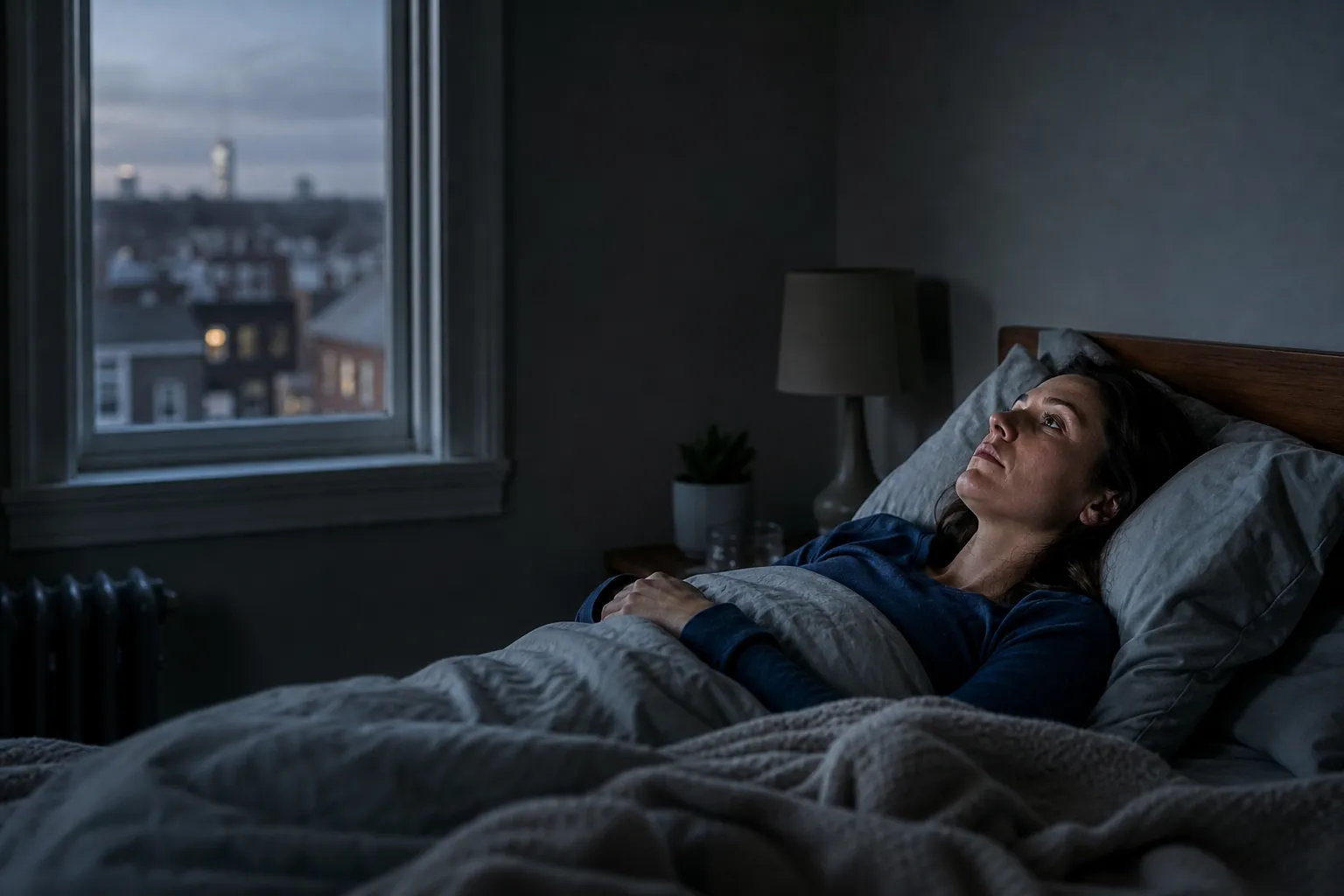
How disrupted sleep affects daily energy
A difficult night can shape the entire next day. Someone may wake feeling unrefreshed, rely on extra effort to complete ordinary tasks, or struggle to shift attention away from anxious thoughts. Fatigue may also reduce tolerance for uncertainty, making worry feel more urgent.
Common daily effects may include:
- A person may need more time to begin or finish routine responsibilities.
- Concentration may fade during work, conversations, reading, or household tasks.
- Irritability or emotional sensitivity may increase when mental and physical energy are low.
- Social plans, exercise, meals, and other routines may become harder to maintain.
- Worry about not sleeping may itself become another source of nighttime anxiety.
These experiences can vary from day to day. Some people continue meeting obligations but feel depleted, while others notice substantial interference with work, relationships, self-care, or decision-making.

Recognizing the worry, sleep, and fatigue cycle
Worry and fatigue can reinforce each other. Anxiety may lead to restless sleep. The next day, low energy can make responsibilities feel less manageable. Falling behind or fearing mistakes can then intensify anxiety before the next night.
It may be useful to notice patterns without blaming yourself. Relevant questions include whether worry regularly delays sleep, whether you wake with your mind racing, and whether fatigue is affecting safety, work, relationships, or basic routines. The duration, intensity, and broader impact of symptoms matter when considering an evaluation.
The Merrimack Valley Behavioral Health guide to generalized anxiety disorder provides additional information about GAD and the ways symptoms can affect daily life.
Practical steps that may support steadier routines
General sleep-supporting habits may reduce avoidable disruptions, although they are not a substitute for assessment or treatment when anxiety is persistent or impairing. Changes are often more realistic when they are modest and consistent rather than rigid.
- Keep sleep and wake times reasonably consistent, including after a difficult night.
- Create a quieter transition before bed by reducing stimulating activities when possible.
- Notice whether caffeine, alcohol, nicotine, or other substances appear to affect anxiety or sleep.
- Use a brief relaxation practice, such as slow breathing or releasing muscle tension, without treating sleep as a test to pass.
- Seek professional input when sleep loss or worry repeatedly interferes with daily functioning.
If fatigue could create a safety risk, such as while driving or operating equipment, prioritize immediate safety and avoid pushing through severe drowsiness.
What outpatient anxiety care can involve
Adult outpatient treatment may involve an assessment of anxiety, sleep, mood, substance use, medical considerations, functioning, and current supports. Treatment planning can address patterns that maintain worry, ways to respond to physical anxiety, sleep-related habits, and practical strategies for daily responsibilities. When anxiety and substance use occur together, dual-diagnosis care may address both rather than viewing them as unrelated problems.
Merrimack Valley Behavioral Health offers adult outpatient partial hospitalization programming, intensive outpatient programming, standard outpatient care, dual-diagnosis care, and Virtual IOP. Virtual IOP is available only while the participant is physically in Massachusetts. In-person treatment is provided at 77 Elm St, Amesbury, MA 01913.
Family or other trusted supports may help by listening without minimizing symptoms, encouraging consistent routines, and supporting treatment participation when the adult receiving care wants them involved. Supporters can also avoid turning bedtime into a debate or offering repeated reassurance that unintentionally keeps the worry cycle active.
Deciding whether outpatient care fits
The appropriate level of care depends on symptom severity, safety, substance use, medical needs, daily functioning, and the amount of structure required. Standard outpatient care may fit someone who can remain safe and manage daily life with periodic support. IOP or PHP may be considered when symptoms require more structure, but admission and suitability depend on an individualized assessment.
MVBH does not provide onsite detox, inpatient or residential care, overnight stays, or emergency care. Someone who needs medical withdrawal management, continuous supervision, overnight support, or emergency stabilization may need a different setting. If there is an immediate crisis or danger, call 988 or 911.
How to ask about the next step
Adults considering care can call Merrimack Valley Behavioral Health at 978-233-9597. During the call, staff can discuss the reason for seeking help and explain the prescreen process. Coverage varies by plan, so callers can also ask to confirm benefits.
If outpatient services appear potentially appropriate, the next step may be an intake assessment to better understand symptoms, functioning, safety, and care needs. A prescreen or intake does not promise admission or establish that a particular program is suitable. It helps inform the level-of-care decision and whether another resource may be more appropriate.
Frequently asked questions
Can generalized anxiety make you tired even after sleeping?
Yes. Anxiety-related sleep disruption may leave sleep feeling unrefreshing, and ongoing mental alertness or muscle tension can be draining during the day. Fatigue can also have other causes, so persistent symptoms warrant professional or medical evaluation.
Can poor sleep make generalized anxiety feel worse?
It can. Low energy and reduced concentration may make uncertainty, decisions, and daily demands harder to manage, which can intensify worry. Anxiety may then interfere with the next night of sleep.
When should someone seek help for anxiety and sleep problems?
Consider seeking help when worry or sleep disruption persists, causes significant distress, or interferes with work, relationships, safety, or basic routines. Call 988 or 911 during an immediate crisis or danger.
