
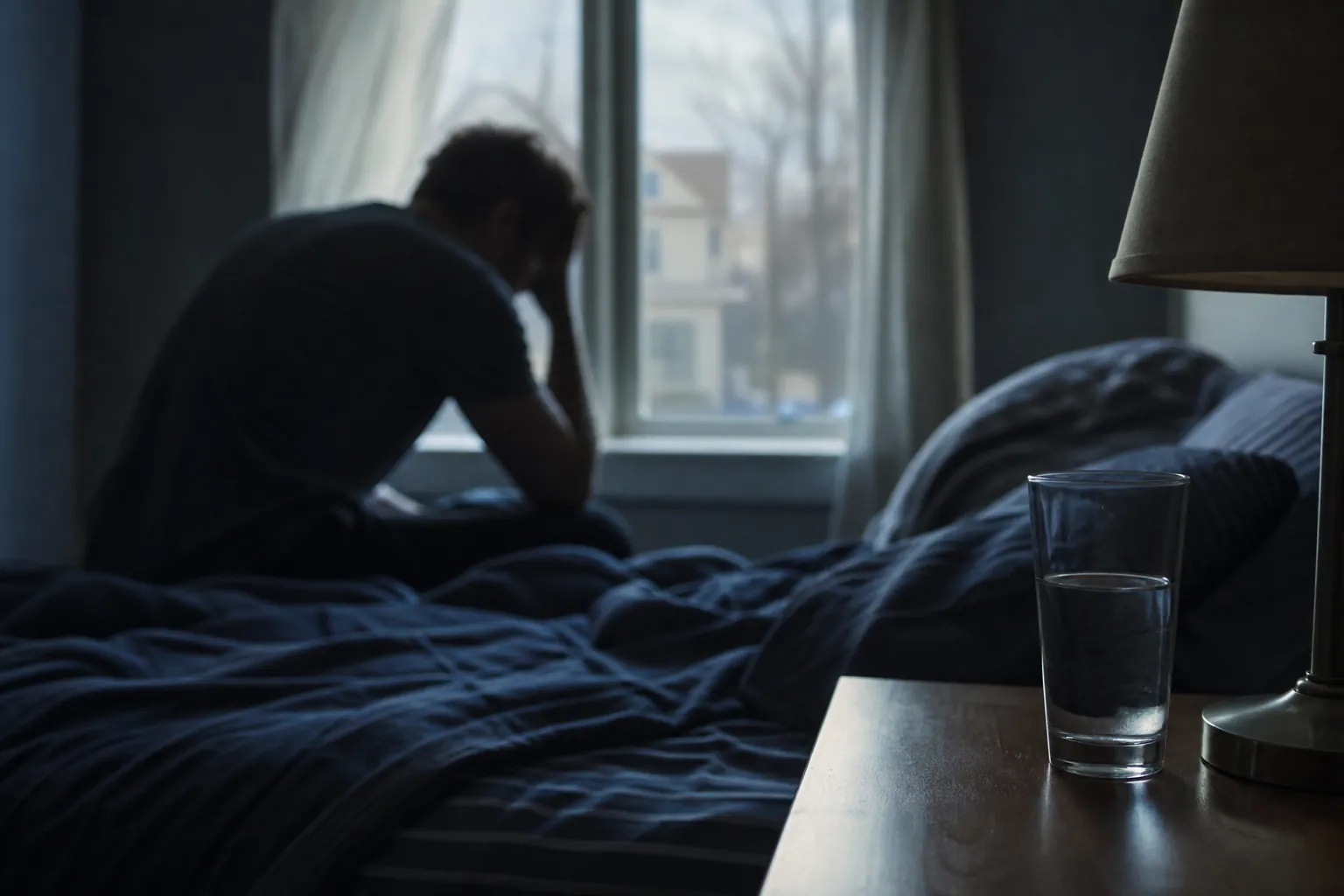
Dual diagnosis can affect sleep and daily energy because mental health symptoms and substance use can each disrupt rest, alertness, motivation, and routine. When both occur together, their effects may overlap or reinforce one another. A person might struggle to fall asleep, wake frequently, sleep at irregular times, or feel exhausted despite spending many hours in bed.
These concerns deserve a careful, integrated assessment rather than an assumption that every sleep problem has the same cause. Treatment may address mental health symptoms, substance use patterns, daily structure, coping skills, and sleep habits together.
Why sleep can become disrupted
Mental health symptoms may make it hard for the mind and body to settle. Worry, low mood, distressing thoughts, heightened alertness, or changing levels of activity can interfere with a consistent sleep schedule. Poor sleep can then make emotional regulation, concentration, and decision-making more difficult the next day.
Substance use may also change when a person feels sleepy or awake. Some substances can initially feel activating, while others can feel sedating. Their effects, wearing-off periods, and changes in use may all influence sleep. Using a substance to fall asleep does not necessarily produce steady or restorative rest.
Because symptoms can interact, it may be difficult to tell whether sleep disruption began with a behavioral health condition, substance use, or both. That uncertainty is one reason coordinated care matters.

How disrupted sleep affects daily energy
Daily energy involves more than staying awake. It includes the ability to start tasks, sustain attention, tolerate stress, and participate in relationships or treatment. Poor-quality or irregular sleep may leave someone feeling slowed down, restless, emotionally reactive, or mentally foggy.
- A person may have trouble getting out of bed or beginning ordinary morning tasks.
- Concentration may fade during work, appointments, conversations, or household responsibilities.
- Low energy may reduce participation in supportive activities and increase isolation.
- Fatigue may make cravings or familiar coping patterns harder to manage.
- Daytime sleeping may provide short-term relief while further shifting the nighttime sleep schedule.
These patterns are not proof of a particular diagnosis. Sleep and fatigue can have many causes, including physical health concerns. A qualified health professional can help evaluate symptoms and determine appropriate next steps.
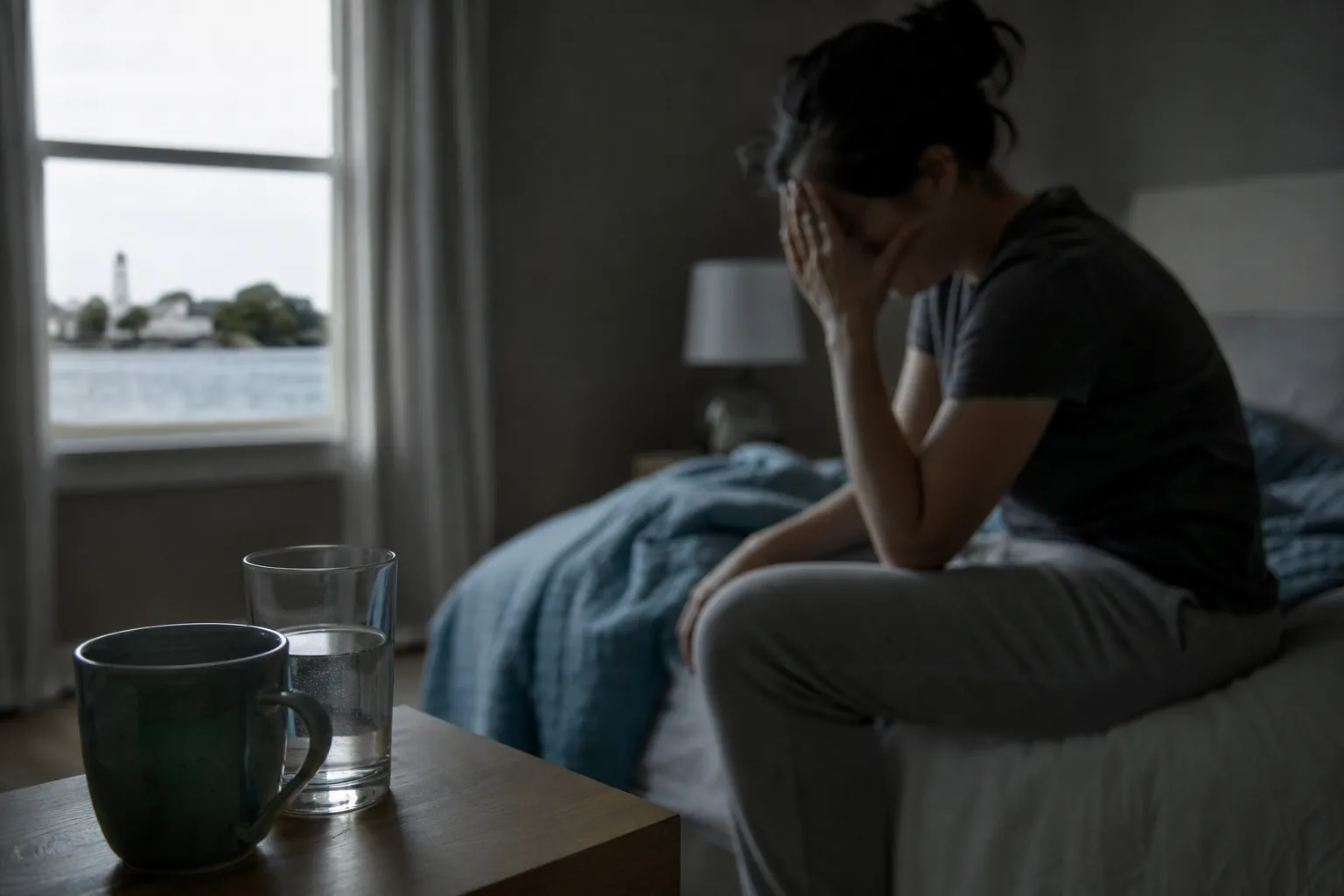
Decisions that shape the care plan
When dual diagnosis and sleep problems occur together, the central decision is not simply how to make someone sleep more. The care team needs to understand how mental health symptoms, substance use, sleep patterns, functioning, safety, and recovery goals relate to one another.
An assessment may explore when sleep problems occur, how they affect daytime functioning, and whether substance use is connected to attempts to stay awake, calm down, or fall asleep. It may also consider whether the person can participate safely and consistently in outpatient care.
Readers can learn more about MVBH's approach on the co-occurring disorders and integrated treatment page. Addressing both areas together can reduce the risk that one concern will be overlooked while attention is focused on the other.
What outpatient care may involve
Merrimack Valley Behavioral Health offers adult outpatient partial hospitalization programming, intensive outpatient programming, outpatient care, and dual-diagnosis care. Virtual IOP is available only while a participant is physically in Massachusetts. In-person treatment is provided at 77 Elm St, Amesbury, MA 01913.
The appropriate level of care depends on an individual assessment. Depending on clinical needs and program fit, outpatient treatment may focus on understanding symptom patterns, developing coping strategies, strengthening daily structure, and supporting changes related to substance use and mental health.
- Care may help participants notice connections among mood, cravings, routines, sleep, and daytime functioning.
- Participants may practice coping skills that do not depend on substance use to change alertness or emotional state.
- A consistent treatment schedule may support greater awareness of sleep and energy patterns.
- Planning may address barriers that make it difficult to participate in care or maintain recovery-oriented routines.
Family members or other trusted supporters may help by responding without blame, encouraging treatment participation, and supporting reasonable household routines. Their role should respect the adult participant's privacy, preferences, and treatment boundaries.
When outpatient treatment may not fit
Outpatient care requires a person to remain outside the program between sessions. MVBH does not provide onsite detox, inpatient or residential care, overnight stays, or emergency care. Someone who needs medical withdrawal management, continuous supervision, overnight support, or emergency stabilization may need a different setting.
Urgent warning signs can include immediate danger, a possible overdose, severe confusion, or an inability to stay safe. In a crisis, call 988 or 911. The National Institute of Mental Health guidance on finding help also explains options for immediate crisis support and locating behavioral health care.
How the first call works
To ask about adult outpatient care, call Merrimack Valley Behavioral Health at 978-233-9597. A call is an opportunity to discuss the concern and ask about the next step. It does not promise admission or establish that a particular program is suitable.
Coverage varies by plan, so callers can confirm benefits. The path may include an initial call, a benefits check, a prescreen, and an intake assessment. The prescreen helps identify whether MVBH's services may align with the person's needs, while intake supports a more detailed decision about level of care and fit.
Sleep and energy problems can make seeking help feel difficult, especially when mental health symptoms and substance use are intertwined. Starting with a conversation can clarify whether outpatient assessment is a reasonable next step or whether another type of support should be considered.
Frequently asked questions
Can dual diagnosis cause both insomnia and oversleeping?
It can be associated with difficulty falling or staying asleep, irregular sleep timing, or sleeping for long periods. The pattern varies, and other health factors may also contribute.
Will improving sleep resolve both conditions?
Better sleep may support daily functioning, but it is not a substitute for addressing mental health and substance use concerns. Integrated assessment can help identify the issues that need attention.
Can family members help with sleep-related concerns?
Family members can offer calm encouragement, support reasonable routines, and help the person connect with care. In a crisis, they should call 988 or 911.
