
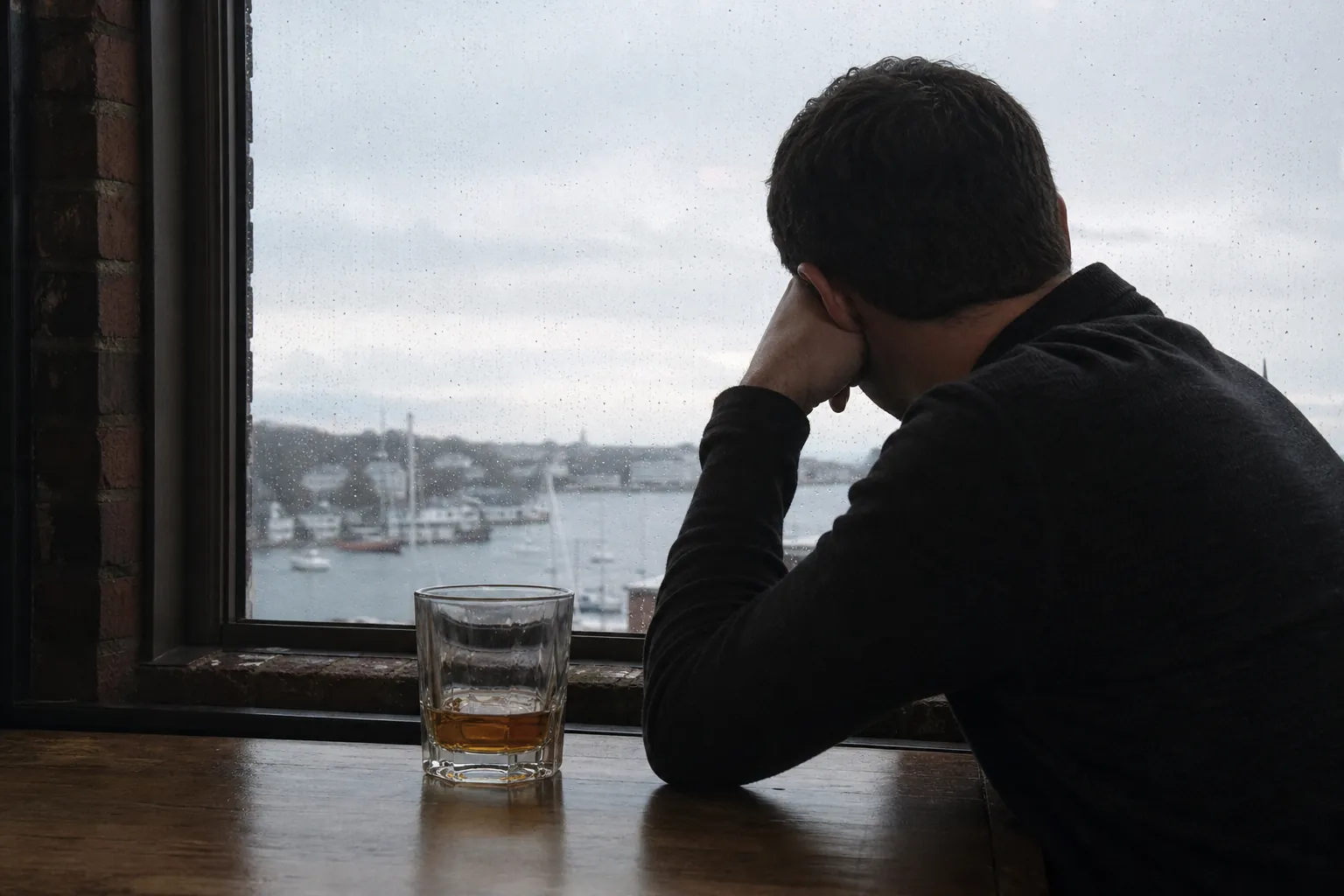
Social anxiety and alcohol use can become connected when someone drinks to feel less afraid, self-conscious, or tense in social situations. Alcohol may seem to provide temporary relief, but relying on it can reinforce avoidance, increase alcohol-related risks, and make it harder to develop lasting ways to manage anxiety. When both concerns are present, addressing them together may help clarify how each one affects the other.
Why someone may drink in social situations
Social anxiety disorder involves more than ordinary shyness. It can include an intense fear of being watched, judged, embarrassed, or rejected during situations such as meeting new people, speaking in a group, eating around others, dating, or participating at work. The National Institute of Mental Health explains social anxiety disorder and its symptoms.
Alcohol can feel like a quick way to reduce self-consciousness or make conversation easier. A person might begin drinking before an event, immediately after arriving, or whenever attention could turn toward them. This does not mean everyone with social anxiety will misuse alcohol, or that every person who drinks socially has an anxiety disorder. The concern is the function alcohol begins to serve.
If drinking starts to feel necessary for entering a room, speaking, dating, networking, or spending time with friends, the pattern may deserve closer attention.

How the cycle can reinforce itself
The connection can develop as a repeating loop. Anxiety rises before a social situation. Alcohol provides short-term relief, so the person becomes more likely to use it the next time. Because alcohol becomes the main coping strategy, opportunities to practice other responses may shrink.
Afterward, the person may worry about what they said, regret how much they drank, or fear that others noticed. That distress can increase anxiety before the next event. Some people then avoid situations entirely, while others attend only if alcohol is available.
- A person may begin drinking earlier or consuming more alcohol to achieve the same sense of ease.
- They may leave events when they cannot drink or avoid settings where alcohol is unavailable.
- They may experience conflict, missed responsibilities, unsafe decisions, or health concerns related to drinking.
- They may feel more worried, ashamed, or isolated after a social interaction.
These signs do not establish a diagnosis by themselves. They can, however, indicate that an assessment of both anxiety and alcohol use would be useful.

When both concerns need attention
Focusing on only one side of the pattern can leave important triggers unaddressed. If someone reduces alcohol use but still experiences overwhelming fear of social judgment, the urge to drink may remain. If anxiety is discussed without examining alcohol use, its effects on mood, decisions, relationships, and daily functioning may be missed.
Dual-diagnosis care is intended for people experiencing mental health and substance use concerns together. Treatment can consider what happens before drinking, how alcohol affects anxiety during and after social situations, and which changes are realistic at the person’s current level of care.
Merrimack Valley Behavioral Health offers adult outpatient PHP, IOP, OP, and dual-diagnosis care. It also offers Virtual IOP while the participant is physically in Massachusetts. Learn more about the approach through the adult dual-diagnosis treatment program.
What outpatient care may involve
The appropriate level of care depends on the person’s symptoms, alcohol use, safety, functioning, support system, and clinical needs. Outpatient treatment varies in structure and intensity. A partial hospitalization program, or PHP, is generally more structured than an intensive outpatient program, or IOP, while traditional outpatient care, or OP, is typically less intensive.
Care for co-occurring social anxiety and alcohol use may examine patterns, triggers, avoidance, coping responses, and the effects of both concerns on everyday life. The goal of an assessment is not to judge why someone drinks. It is to understand what is happening and determine whether the available outpatient setting appears appropriate.
- Be candid about how often alcohol is used and whether it feels difficult to limit.
- Describe the social situations that bring up the most fear, avoidance, or distress.
- Discuss any withdrawal concerns, medical needs, safety risks, or major changes in daily functioning.
- Ask how the proposed level of care would address mental health and substance use together.
Understanding the limits of outpatient treatment
Outpatient care is not the right setting for every situation. Merrimack Valley Behavioral Health does not provide onsite detox, inpatient or residential care, overnight stays, or emergency care. Someone who may need alcohol withdrawal management, continuous supervision, overnight support, or emergency stabilization may need a different setting.
SAMHSA provides an overview of different behavioral health treatment types, which can help readers understand why levels of care differ. A prescreen can help clarify whether MVBH’s outpatient services may match current needs, but it is not a promise of admission or suitability.
If there is an immediate safety concern, a medical emergency, or a behavioral health crisis, call 988 or 911.
How family and trusted people can help
Support from family members, partners, or trusted friends can matter, especially when shame or avoidance makes it difficult to discuss what is happening. Helpful support is usually calm and specific rather than confrontational.
- Express concern about observable changes without assigning a diagnosis or moral judgment.
- Listen to how social situations feel instead of assuming the drinking is simply a lack of willpower.
- Encourage professional assessment while respecting that the person must participate in treatment decisions.
- Call 988 or 911 if the situation becomes an immediate crisis or emergency.
Family support does not replace professional care, and loved ones should not attempt to manage possible alcohol withdrawal on their own.
Taking the next step with MVBH
Adults interested in outpatient care can call Merrimack Valley Behavioral Health at 978-233-9597. During the call, staff can discuss the reason for seeking help, explain the benefits-check and prescreen process, and outline what may happen next.
Insurance coverage varies by plan, so callers can confirm benefits. A prescreen helps determine whether an offered outpatient level of care may be appropriate. If the process moves forward, the next step is intake. Admission and suitability are not guaranteed.
In-person treatment is located at 77 Elm St, Amesbury, MA 01913. Virtual IOP is available only while the participant is physically in Massachusetts.
Frequently asked questions
Does alcohol actually treat social anxiety?
No. Alcohol may temporarily reduce inhibition or distress, but it does not treat the underlying anxiety and can become part of a reinforcing cycle.
Can social anxiety and problematic alcohol use be treated together?
They can be addressed together through dual-diagnosis care when that level and setting are clinically appropriate for the individual.
What happens when I call Merrimack Valley Behavioral Health?
You can discuss your concerns, ask about offered outpatient programs, confirm insurance benefits, and learn about prescreening and intake. The call does not promise admission or establish that outpatient care is suitable.
