
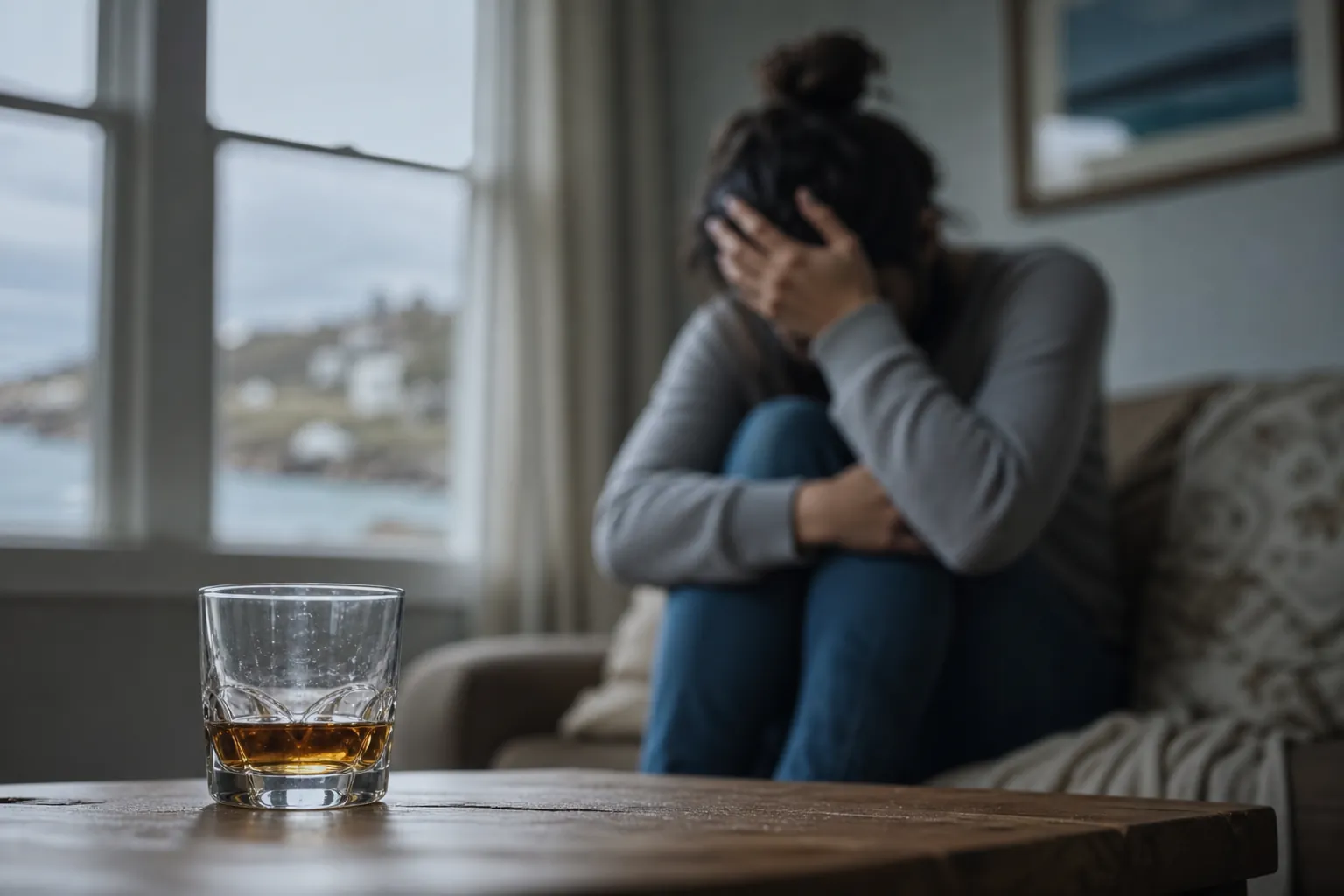
Panic disorder and alcohol use can become connected when someone drinks to calm intense fear, prevent another panic attack, sleep, or feel comfortable in situations they have begun avoiding. Alcohol may seem to offer short-term relief, but intoxication, withdrawal, disrupted sleep, and physical aftereffects can also intensify anxiety-like sensations. That pattern can make it harder to tell which symptoms come from panic, alcohol use, or both.
This connection does not mean everyone who has panic attacks has an alcohol problem, or that every anxious feeling after drinking is panic disorder. A careful assessment can examine both concerns without assuming one is the sole cause of the other.
What panic disorder involves
A panic attack is a sudden episode of intense fear or discomfort that can involve a racing heart, sweating, trembling, difficulty breathing, dizziness, chest pain, nausea, or a sense of losing control. According to the National Institute of Mental Health overview of panic disorder, panic disorder involves recurrent, unexpected panic attacks and ongoing concern or behavior changes related to future attacks.
People may start avoiding driving, stores, crowds, work situations, or places where escape feels difficult. Alcohol can enter the picture as an attempt to make these situations feel more manageable. Over time, relying on it can narrow a person's choices further.

How alcohol can reinforce the panic cycle
Alcohol affects the body and nervous system. Although its immediate effects may feel calming, symptoms that arise as those effects wear off can resemble or trigger feared panic sensations. A pounding heart, shakiness, sweating, nausea, poor sleep, and feeling on edge may be interpreted as signs that another attack is beginning.
- A person may drink before an anxiety-provoking event because they fear having a panic attack there.
- Temporary relief can strengthen the belief that coping without alcohol is impossible.
- Aftereffects or withdrawal symptoms may create physical sensations that increase fear and uncertainty.
- Avoidance may grow if the person only enters certain situations when alcohol is available.
- Increasing alcohol use can create consequences in relationships, work, health, or daily responsibilities.
The cycle can run in either direction. Panic symptoms may contribute to drinking, while alcohol-related effects may worsen anxiety and reinforce fear of bodily sensations.

How to tell what needs attention
It is useful to look at patterns rather than trying to identify a single cause alone. Clinicians may ask whether panic attacks happen unexpectedly, during or after drinking, when alcohol use decreases, or in situations the person fears. They may also explore the amount and frequency of alcohol use, loss of control, consequences, avoidance, sleep, other substances, physical health, and safety.
Medical evaluation can matter because some physical conditions and substance-related effects can resemble panic. New, severe, or uncertain symptoms should not automatically be assumed to be anxiety. Emergency symptoms require emergency evaluation.
Signs that both concerns may need coordinated attention include:
- Alcohol has become the main way to enter feared situations or manage distress.
- Panic symptoms appear during intoxication, after drinking, or when cutting back.
- Attempts to reduce alcohol use lead to concerning physical or psychological symptoms.
- Fear of panic and alcohol use are both interfering with work, relationships, sleep, or routine activities.
- Treatment focused on only one concern has left the other concern unaddressed.
What integrated care can involve
When panic disorder and problematic alcohol use occur together, dual-diagnosis care addresses mental health and substance use concerns in a coordinated way. Care may include assessment, education about the panic and alcohol cycle, strategies for responding to distress, examination of avoidance patterns, relapse prevention, and planning for ongoing support. The appropriate approach depends on the person's symptoms, alcohol use, health, safety, and goals.
Merrimack Valley Behavioral Health offers adult outpatient PHP, IOP, OP, dual-diagnosis care, and Virtual IOP. Readers can learn more about the program's approach on the adult dual-diagnosis care program page. Virtual IOP is available only while the participant is physically in Massachusetts. In-person treatment is provided at 77 Elm St, Amesbury, MA 01913.
When outpatient treatment may not be the right starting point
Outpatient care is not appropriate for every situation. The intensity of alcohol use, risk of withdrawal, medical stability, immediate safety, ability to participate, and need for around-the-clock supervision all affect the level-of-care decision. Suddenly stopping alcohol can carry risks for some people, so anyone concerned about withdrawal should seek medical guidance rather than assuming outpatient behavioral health care is sufficient.
MVBH does not provide onsite detox, inpatient or residential care, overnight stays, or emergency care. A prescreen can help determine whether the available outpatient options appear consistent with a caller's current needs, but it does not promise admission or suitability.
If someone is in crisis, call 988 or 911. The NIMH mental health help page also explains options for finding immediate and ongoing support.
How family and supportive people can help
Family members and trusted supporters can respond with calm, specific observations rather than labels or blame. They can acknowledge that panic feels real while avoiding the message that alcohol is necessary for safety. They may also support treatment attendance, transportation, or healthy routines when the adult receiving care wants that involvement.
Support does not require taking control of another adult's treatment. Clear boundaries may be necessary when alcohol use affects safety, finances, caregiving, or the home. In an emergency, supporters should call 988 or 911 rather than trying to manage the situation alone.
What happens when you call MVBH
Adults seeking outpatient help can call 978-233-9597. The initial call is an opportunity to discuss the reason for seeking care and ask questions about the available programs. Coverage varies by insurance plan, and callers can confirm their benefits.
The next steps may include a prescreen followed by an intake if the program and level of care appear appropriate. The prescreen helps consider current symptoms, substance use, safety, and whether outpatient participation may fit. Intake gathers more information to guide treatment planning. These steps do not guarantee admission, and another level of care may be recommended when outpatient services cannot safely meet the person's needs.
Frequently asked questions
Can alcohol cause panic attacks?
Alcohol-related effects can produce sensations such as a racing heart, shakiness, nausea, poor sleep, or anxiety that may trigger or resemble panic. Only a qualified assessment can clarify whether episodes reflect panic disorder, alcohol effects, another condition, or a combination.
Should panic disorder and alcohol use be treated together?
When both affect daily life, coordinated care can examine how each concern influences the other. The appropriate treatment setting depends on withdrawal risk, medical and psychiatric stability, safety, and the support a person needs.
Does MVBH provide alcohol detox?
No. MVBH does not provide onsite detox, inpatient or residential care, overnight stays, or emergency care. Call 988 or 911 during a crisis, and seek medical guidance if alcohol withdrawal is a concern.
