
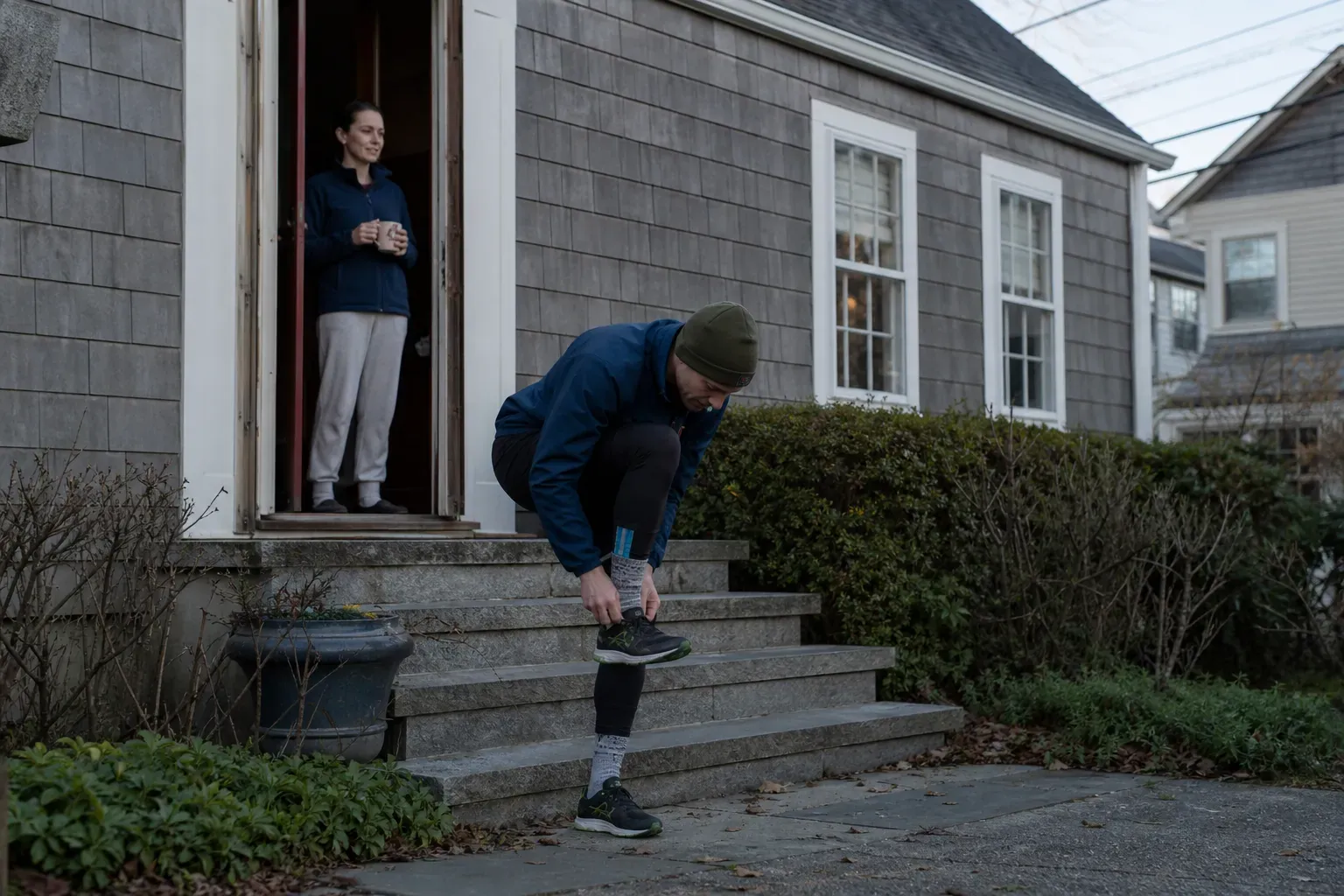
Time apart from a partner, parent, adult child, or another important person can feel overwhelming when separation anxiety is involved. Exposure therapy offers a structured way to practice these situations without treating your relationships as the problem. If you are researching exposure therapy for separation anxiety adults, the central idea is gradual, collaborative learning—not being pushed into an abrupt separation. Our guide to adult separation anxiety and treatment explains the broader condition. Here, we focus on what separation practice may look like and how to keep real caregiving and safety responsibilities in view.
Key takeaways
- Exposure involves agreed-upon practice with feared situations, not forced or surprise separation.
- The goal is greater flexibility while anxiety is present, rather than a guarantee that nothing upsetting will happen.
- Necessary caregiving, medical monitoring, and safety plans should remain in place.
- Exercises should be individualized with a clinician, especially when trauma, health concerns, or other conditions are involved.
What is exposure therapy for adult separation anxiety?
Exposure is a behavioral treatment approach that involves approaching situations a person fears or avoids. For separation anxiety, those situations might include staying home while a partner runs an errand, attending an appointment alone, or spending an evening apart. Practice is planned around the person's needs, relationships, and current functioning.
The National Institute of Mental Health describes exposure therapy as a type of cognitive behavioral therapy that helps people face fears in a supportive environment. Exposure-based approaches are used for anxiety conditions, but that does not mean every adult with separation distress needs the same exercises or treatment plan.
A clinician first considers what is driving the distress. Fear that a loved one will be harmed may require a different plan from fear of being unable to cope alone. Grief, trauma, panic symptoms, relationship conflict, and actual safety threats also matter. A careful assessment helps determine whether exposure fits and what other support may be needed.
How can gradual separation practice help?
Avoiding separation can bring immediate relief. So can repeatedly calling, checking a location app, or asking someone to promise that nothing bad will happen. The difficulty is that relying on these responses may leave fewer opportunities to discover what you can manage without them. Over time, daily life can become organized around preventing anxiety.
Exposure creates opportunities for different learning: anxiety can be present without making every decision, uncertainty can sometimes be tolerated, and coping may be possible without immediate reassurance. An exercise does not have to feel comfortable to provide useful information. It also does not have to continue until anxiety disappears.
For example, someone might predict, “If my partner leaves for ten minutes, I will be unable to do anything.” A planned practice could help them observe whether they can make tea, sit with discomfort, or complete a small task during that interval. The point is to test a prediction, not to prove that the world is perfectly safe.
Exposure often sits within a broader CBT plan that also addresses interpretations, coping habits, and daily routines. Our article on CBT for adult separation anxiety and its treatment targets explains how these pieces can work together.
Ready to start treatment?
MVBH's outpatient mental health program in Amesbury, MA, plus Full Day and Half Day Treatment, gives adults structured, evidence-based care without a hospital stay. Call 978-233-9597 today or verify your insurance in minutes.
What happens before an exposure plan begins?
A useful plan starts with your goals rather than someone else's idea of independence. You might want to return to work, sleep in your own home, attend social events, or let a loved one travel without hours of checking. Maintaining close relationships can remain an important value throughout treatment.
Your clinician may ask about the following:
- Feared outcomes: What do you expect will happen during separation?
- Current responses: What do you avoid, check, request, or cancel?
- Actual responsibilities: Does someone need medication support, supervision, transportation, or emergency access?
- Other symptoms: Are panic, depression, trauma symptoms, substance use, or sleep problems affecting the picture?
- Personal goals: What meaningful activity would become more available if anxiety had less influence?
Together, you can develop a hierarchy: a flexible list of separation situations ordered by anticipated difficulty. You should understand each exercise and have a meaningful voice in its design. Consent is ongoing; a hierarchy is not permission for a clinician or family member to impose surprise challenges.
Assessment also helps distinguish a fear-based alarm from a real hazard. The NIMH guide to stress and anxiety describes how anxiety can persist even when there is no current threat. Still, the presence of anxiety does not establish that a particular situation is safe.
What might a gradual separation hierarchy look like?
The examples below illustrate planning principles, not a prescription. What feels manageable to one adult may be far too difficult—or not relevant—for another. Any arrangement involving a dependent person requires appropriate coverage before practice begins.
| Practice area | Possible collaborative step | Boundary to preserve |
|---|---|---|
| Time in separate spaces | Spend a brief, agreed interval in another room while doing an ordinary activity. | Keep necessary supervision or assistance available. |
| A short outing | Take a familiar walk while a loved one remains home. | Choose a genuinely safe route and appropriate conditions. |
| Repeated reassurance | Delay one nonessential check-in until an agreed time. | Keep a reliable way to communicate urgent information. |
| Independent activities | Attend part of a class or appointment without the attachment figure. | Arrange transportation and accessibility support as needed. |
| Longer time apart | Build toward an evening apart when earlier practice is workable. | Confirm care coverage and reasonable emergency plans. |
A clinician may suggest repeating a step, varying the setting, or making a smaller adjustment rather than moving directly to a harder exercise. Longer is not automatically better. Useful practice is purposeful and connected to a treatment goal.
Family participation can help when everyone understands the agreement. A partner might support a planned check-in schedule without offering repeated guarantees. Their role is to collaborate, not to police progress, withdraw affection, or use exposure language to dismiss a legitimate need.
How do you protect caregiving duties and real safety needs?
Exposure should target anxiety-driven restrictions, not remove necessary care. Someone supporting a dependent adult may need respite coverage before leaving home. A person with a medical condition may need access to prescribed medication or an established emergency response plan. Those supports are not automatically avoidance behaviors.
A practical question is: “Would this action still be needed if separation anxiety were not present?” The answer may not be obvious. Reviewing responsibilities with the relevant clinician, care team, or family member can clarify which safeguards are essential and which repeated checks mainly serve to reduce distress.
For instance, one planned medication reminder may be necessary; asking for repeated confirmation after the dose has already been verified may be a separate treatment target. Similarly, an agreed arrival message can be ordinary communication, while continuous location monitoring may warrant discussion. Context determines the difference.
If there is abuse, coercive control, stalking, or another actual threat, prioritize safety assessment and support rather than practicing tolerance of danger. Never use exposure to pressure someone to remain in an unsafe relationship or abandon a person who cannot safely be left alone.
What should you do when practice feels too difficult?
Anxiety during practice does not automatically mean the exercise is wrong. However, overwhelming distress, confusion about the plan, or feeling pressured are reasons to pause and review it with your clinician. A useful adjustment might involve a shorter interval, clearer logistics, or a less demanding starting point.
A simple review can keep the focus on learning:
- Name the prediction: What did you expect to happen?
- Describe the practice: What did you actually try, including any checking or reassurance?
- Notice the result: What happened, and what remained uncertain?
- Choose the next step: Repeat, modify, or move forward collaboratively.
Grounding, a normal daily activity, or a compassionate reminder may help you stay engaged. Discuss their purpose with your clinician: support can be helpful, but a ritual that feels mandatory for preventing catastrophe may need attention. You do not need to perform exposure perfectly to have a useful discussion afterward.
If practice is followed by worsening functioning, increased substance use, or significant changes in sleep or mood, tell your treatment team. The plan may need broader assessment or additional support. Medication questions should be reviewed with the prescribing clinician; do not change medication on your own to intensify an exercise.
Where can adults get help with separation anxiety?
Consider seeking professional help when separation fears interfere with work, relationships, sleep, or necessary activities. You can ask a prospective clinician how they assess adult separation anxiety, use exposure-based CBT, and accommodate caregiving obligations. Ask how progress is reviewed and how you can raise concerns about an exercise.
Merrimack Valley Behavioral Health is an adult outpatient mental health treatment center at 77 Elm St, Amesbury, MA 01913. MVBH provides treatment for anxiety and offers several levels of support, including Outpatient care and Half Day Treatment, called IOP by insurers. Contact Admissions or call 978-233-9597 to discuss your needs and ask about treatment fit and available approaches.
MVBH serves Massachusetts and New England; Virtual IOP is for people physically in Massachusetts. It is licensed by the Massachusetts Department of Public Health and accredited by The Joint Commission. An assessment can help clarify what support makes sense without assuming that one approach is right for everyone.
MVBH is not an emergency service. If you are in emotional distress or a suicidal crisis, call or text 988. Call 911 for emergencies. Seeking urgent help is not a failed exposure exercise; immediate safety takes priority over any practice plan.
Frequently asked questions
Does exposure therapy mean suddenly being left alone?
No. A collaborative exposure plan uses agreed-upon exercises that fit your goals, circumstances, and current abilities. It should not involve a partner disappearing without warning or a clinician forcing an abrupt separation. You and your clinician can discuss the purpose, duration, communication boundaries, and safety arrangements before practice, then review what happened and adjust the next step.
Can I practice separation exposure if I am a caregiver?
Possibly, but necessary care must remain covered. Treatment should distinguish anxiety-driven checking from actual supervision, medication assistance, or other responsibilities. You may need respite support or another qualified caregiver before leaving. A clinician can help identify practice opportunities that preserve those duties rather than assuming that all contact or monitoring is unnecessary reassurance.
Should I stop texting my partner during exposure?
Not necessarily. Ordinary communication and urgent updates can remain part of a healthy plan. If repeated texts mainly provide short-lived relief from anxiety, you and your clinician might agree to delay or reduce particular check-ins. The goal is not a blanket ban on contact. It is a more flexible pattern that respects both people's needs and any genuine safety requirements.
What if my anxiety does not go away during practice?
Anxiety does not have to disappear for an exercise to offer useful learning. You might notice that you completed a meaningful activity while uncomfortable or managed uncertainty without another check. Review persistent or overwhelming distress with your clinician. The exercise may need adjustment, and progress should not be judged solely by whether your anxiety dropped during one attempt.
How long does exposure therapy for adult separation anxiety take?
There is no single timeline that fits every adult. The plan depends on symptom severity, treatment goals, other mental health concerns, caregiving demands, and opportunities for practice. Ask your clinician how you will review progress and decide whether to adjust treatment. Useful signs may include returning to valued activities and relying less on anxiety-driven checking, rather than never feeling anxious.
Don't wait for things to get worse. Call Merrimack Valley Behavioral Health at 978-233-9597 to start adult care in our outpatient mental health program or compare Half Day Treatment (IOP) and Full Day Treatment (PHP). Same-week assessments may be available.
Editorial status
Reviewed by clinical staff
Written by Tim Francis, SUD Content Specialist. This guide is educational. Read our clinical review and sources policy.
