
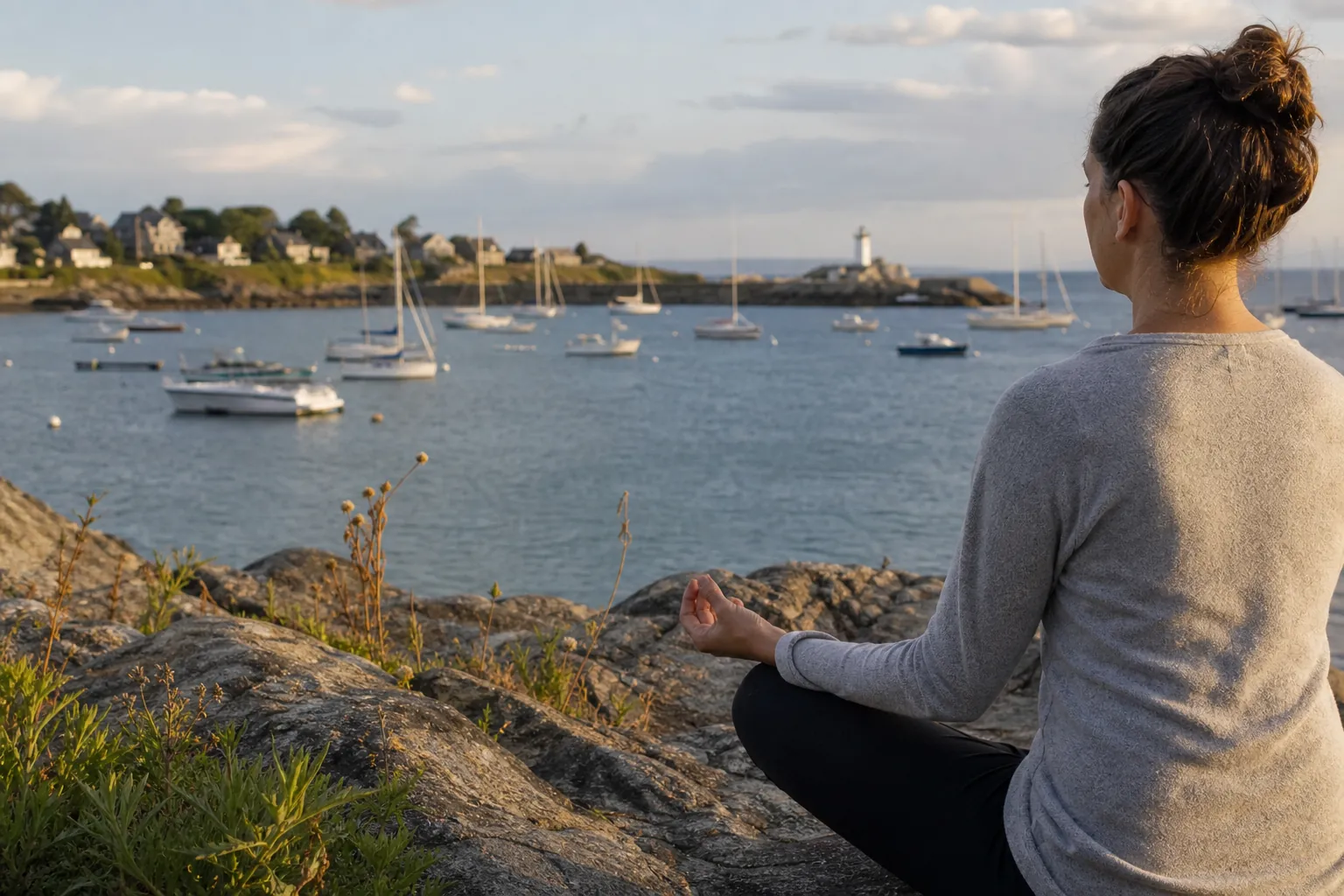
Dialectical Behavior Therapy (DBT) is a well-established therapeutic approach that helps adults manage emotions, improve relationships, and build a life worth living. One of the foundational components of DBT is mindfulness. For adults considering outpatient mental health support in Massachusetts, understanding DBT mindfulness skills can be a crucial step toward making informed treatment decisions.
What Are DBT Mindfulness Skills?
Mindfulness in DBT refers to the practice of being fully present and aware in the moment, without judgment. This skill set is designed to help adults observe their thoughts and feelings, accept them, and respond thoughtfully rather than react impulsively. Mindfulness is not about clearing the mind of thoughts, but rather about noticing them and choosing how to engage with them.

Why Mindfulness Matters In Adult Outpatient Programs
For adults navigating stress, emotional challenges, or mental health concerns, outpatient programs often incorporate DBT mindfulness skills as a core element. These skills can help individuals:
- Regulate intense emotions
- Reduce impulsive behaviors
- Increase self-awareness
- Improve focus and concentration
- Enhance coping with distress
By practicing mindfulness, adults can create space between their experiences and their responses, leading to healthier choices and improved well-being.

Core Mindfulness Skills Taught In DBT
DBT organizes mindfulness skills into two main categories: 'What' skills and 'How' skills. Each serves a specific purpose in helping adults become more present and intentional.
'What' Skills
- Observe: Notice what is happening inside and around you without trying to change it. This might include sensations, thoughts, or emotions.
- Describe: Put words to your experiences. For example, "I notice my heart is beating faster" or "I am feeling anxious."
- Participate: Fully engage in the current activity, letting go of self-consciousness or distractions.
'How' Skills
- Non-judgmentally: Accept experiences as they are, without labeling them as good or bad.
- One-mindfully: Focus on one thing at a time, bringing your full attention to the present moment.
- Effectively: Do what works in the situation, rather than what you wish would work or what you feel like doing.
Practical Ways To Practice Mindfulness Every Day
In outpatient programs, adults are encouraged to integrate mindfulness into daily routines. Here are some practical steps to begin:
- Start with short, guided mindfulness exercises, such as focusing on your breath for five minutes.
- Use mindfulness cues, like pausing before a meal or during a transition, to check in with your thoughts and feelings.
- Practice observing and describing sensations during everyday activities, such as washing dishes or walking.
- When emotions arise, notice them without judgment and label them with words.
- Set aside time each day for a mindfulness practice, even if it is brief.
These small steps can build a foundation for lasting change, especially when supported by a structured outpatient program.
How DBT Mindfulness Skills Support Recovery
Mindfulness is not just a technique; it is a way of approaching life. In adult outpatient programs, learning and practicing DBT mindfulness skills can help individuals:
- Break cycles of automatic, unhelpful reactions
- Develop healthier coping strategies
- Build resilience to stress and setbacks
- Strengthen relationships through better communication and presence
Over time, these skills can empower adults to navigate challenges with greater confidence and clarity.
Taking The Next Step
If you are considering outpatient mental health support in Massachusetts, learning more about DBT mindfulness skills is a practical starting point. These skills are accessible, evidence-based, and can be tailored to your unique needs. To explore your options or discuss how mindfulness can be integrated into your care, you can call 978-233-9597 for more information and guidance.
For a broader overview of mental health program options for adults in Massachusetts, visit our blog post on adult mental health programs.
Remember, taking the first step toward support is a sign of strength. Mindfulness skills can be learned and practiced by anyone, and they offer a foundation for lasting wellness.
For broader information about finding mental health care, see NIMH guidance on getting help.
Common Challenges When Practicing Mindfulness
While mindfulness skills are accessible to most adults, it is natural to encounter challenges when first incorporating these practices into daily life. Many individuals find that their minds wander frequently or that it is difficult to stay focused on the present moment. This is a common experience, especially for those new to mindfulness or those managing high levels of stress or emotional discomfort.
Another challenge can be the expectation of immediate results. Mindfulness is a skill that develops over time with consistent practice. Some adults may feel frustrated if they do not notice changes right away or if they struggle to maintain a regular routine. It is important to approach mindfulness with patience and self-compassion, recognizing that progress may be gradual and that every effort counts.
Discomfort with certain thoughts or emotions can also make mindfulness practice feel daunting. Observing difficult feelings without judgment can be uncomfortable at first. However, noticing these reactions is part of the process and can provide valuable insight into personal patterns and triggers. Over time, many adults find that their ability to tolerate and accept these experiences increases, leading to greater emotional resilience.
Finally, finding time for mindfulness in a busy schedule can be a barrier. Even brief moments of practice, such as mindful breathing during a daily routine, can be beneficial. Setting realistic goals and acknowledging small successes can help build confidence and consistency. Remember, it is normal to encounter obstacles, and seeking support from a mental health professional or a structured program can provide additional guidance and encouragement as you develop your mindfulness skills.
