

Yes, generalized anxiety symptoms can change with the seasons. Some adults notice more worry, tension, irritability, sleep disruption, or difficulty concentrating during particular parts of the year. A seasonal pattern does not by itself identify the cause or confirm a diagnosis, but it can be useful information when deciding whether to seek professional support.
Changes in daylight, routines, responsibilities, social contact, and sleep may coincide with anxiety shifts. Seasonal events can matter too, including holidays, travel, work deadlines, financial pressure, or anniversaries. The pattern may be consistent from year to year, or symptoms may change only during an unusually stressful season.
What generalized anxiety can feel like
Generalized anxiety disorder, commonly called GAD, involves persistent anxiety or worry about multiple areas of life. According to the National Institute of Mental Health overview of generalized anxiety disorder, people may have difficulty controlling worry and experience symptoms such as restlessness, fatigue, irritability, muscle tension, concentration problems, or sleep difficulties.
Everyone worries at times. A clinician considers more than whether worry is present. Relevant questions include how long symptoms have lasted, how difficult they are to control, and how much they interfere with work, relationships, health, sleep, or daily responsibilities. Our guide to generalized anxiety disorder and treatment offers additional context about GAD.
Why symptoms may seem seasonal
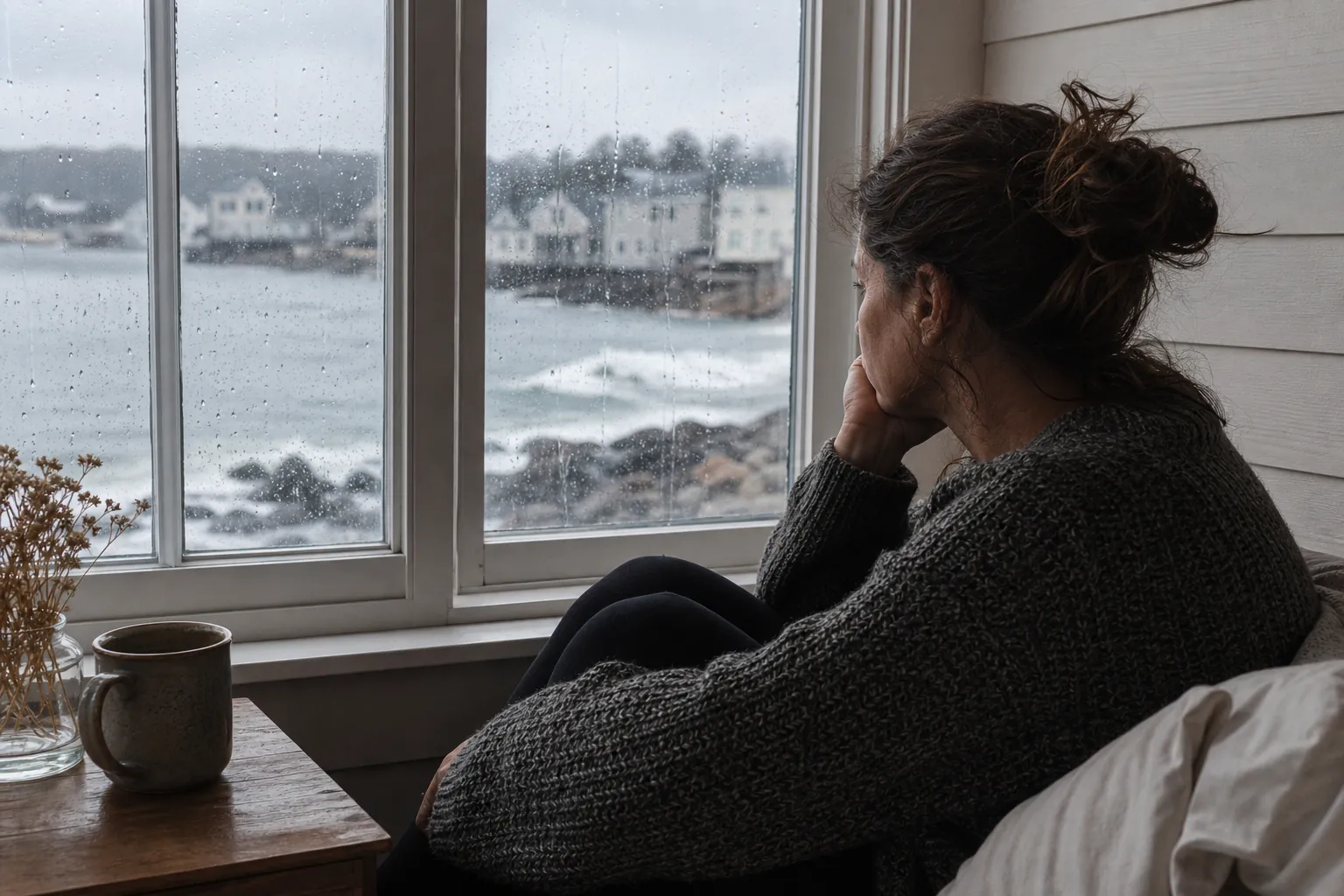
Anxiety may feel different as daily circumstances change. Winter can bring less daylight, more time indoors, altered travel, or social isolation. Summer may involve disrupted routines, caregiving demands, heat, travel, or expectations to be socially active. Spring and fall can introduce school, work, household, or schedule transitions.
A pattern can also have several overlapping explanations. Anxiety may occur alongside another mental health condition, substance use, a physical health concern, or medication changes. Seasonal worsening should not automatically be labeled as GAD or attributed entirely to weather. A qualified professional can assess the full picture and discuss appropriate next steps.

How to recognize a meaningful change
The practical question is not only whether symptoms vary, but whether the change is affecting daily life. Consider seeking an assessment when anxiety is persistent, increasingly difficult to manage, or interfering with important activities.
- Worry repeatedly disrupts sleep, attention, decision-making, or your ability to complete responsibilities.
- You avoid work, appointments, relationships, errands, or ordinary activities because anxiety feels overwhelming.
- Physical tension, restlessness, fatigue, or irritability becomes difficult to manage.
- You rely more heavily on alcohol or other substances to cope with anxious feelings.
- Symptoms return during a particular season and create a recognizable period of impairment.
A pattern may be worth discussing even if symptoms later ease. Improvement after a season changes does not erase the disruption that occurred or rule out the value of treatment.
What outpatient anxiety care involves
Outpatient treatment begins with assessment rather than an assumption that one level of care fits everyone. A clinician may ask about current symptoms, daily functioning, safety, substance use, other health concerns, and what has or has not been helpful. The purpose is to understand needs and identify an appropriate care setting.
Merrimack Valley Behavioral Health offers adult outpatient partial hospitalization programs (PHP), intensive outpatient programs (IOP), outpatient services (OP), dual-diagnosis care, and Virtual IOP. Virtual IOP is available only while the participant is physically in Massachusetts. In-person treatment is provided at 77 Elm St, Amesbury, MA 01913.
The appropriate intensity depends on the individual assessment. Outpatient care may involve scheduled therapeutic support while the person continues living at home. Frequency and structure can differ by level of care. No program can be presumed suitable before prescreening and intake.
When outpatient treatment may not fit
Outpatient programs do not meet every need. MVBH does not provide onsite detox, inpatient or residential care, overnight stays, or emergency care. Someone who needs medically supervised withdrawal, continuous monitoring, overnight support, or emergency stabilization may require a different setting.
- Call 988 or 911 if there is an immediate safety concern or behavioral health crisis.
- Seek an appropriate detox setting when withdrawal may require medical supervision.
- Consider inpatient or residential options when continuous or overnight care is needed.
- Use an emergency service when symptoms require immediate evaluation rather than a routine outpatient intake.
The National Institute of Mental Health guidance on finding help also describes options for routine mental health care and crisis support.
How families and trusted people can help
Family members or trusted friends may notice changes in sleep, avoidance, irritability, substance use, or participation before they understand them as anxiety. Support is often most helpful when it is calm and specific rather than critical.
A support person can listen without minimizing the experience, encourage professional evaluation, and help protect ordinary routines where possible. They can also ask what kind of involvement feels welcome. Adults retain a central role in decisions about their care, and family participation should respect privacy, consent, and personal boundaries.
Calling about care at MVBH
To ask about adult outpatient care, call Merrimack Valley Behavioral Health at 978-233-9597. The initial call can address basic questions and begin a benefits check and prescreen. Coverage varies by insurance plan, so callers can confirm their specific benefits.
If the available services and level of care may align with the caller’s needs, the next step is an intake assessment. That assessment helps clarify symptoms, functioning, safety, co-occurring substance use when relevant, and whether outpatient treatment is an appropriate fit. Calling does not promise admission or establish suitability.
Frequently asked questions
Does seasonal worsening mean I have generalized anxiety disorder?
No. Seasonal symptom changes alone do not establish GAD. Diagnosis requires a broader assessment of worry, related symptoms, duration, control, impairment, and other possible explanations.
Can anxiety increase during summer as well as winter?
Yes. Any season can coincide with changes in sleep, schedules, social demands, work, caregiving, travel, or other pressures. The important issue is how symptoms affect functioning and well-being.
Can MVBH help when anxiety and substance use occur together?
MVBH offers adult dual-diagnosis care for co-occurring behavioral health and substance use needs. A prescreen and intake help determine whether an outpatient level of care may be appropriate.
