
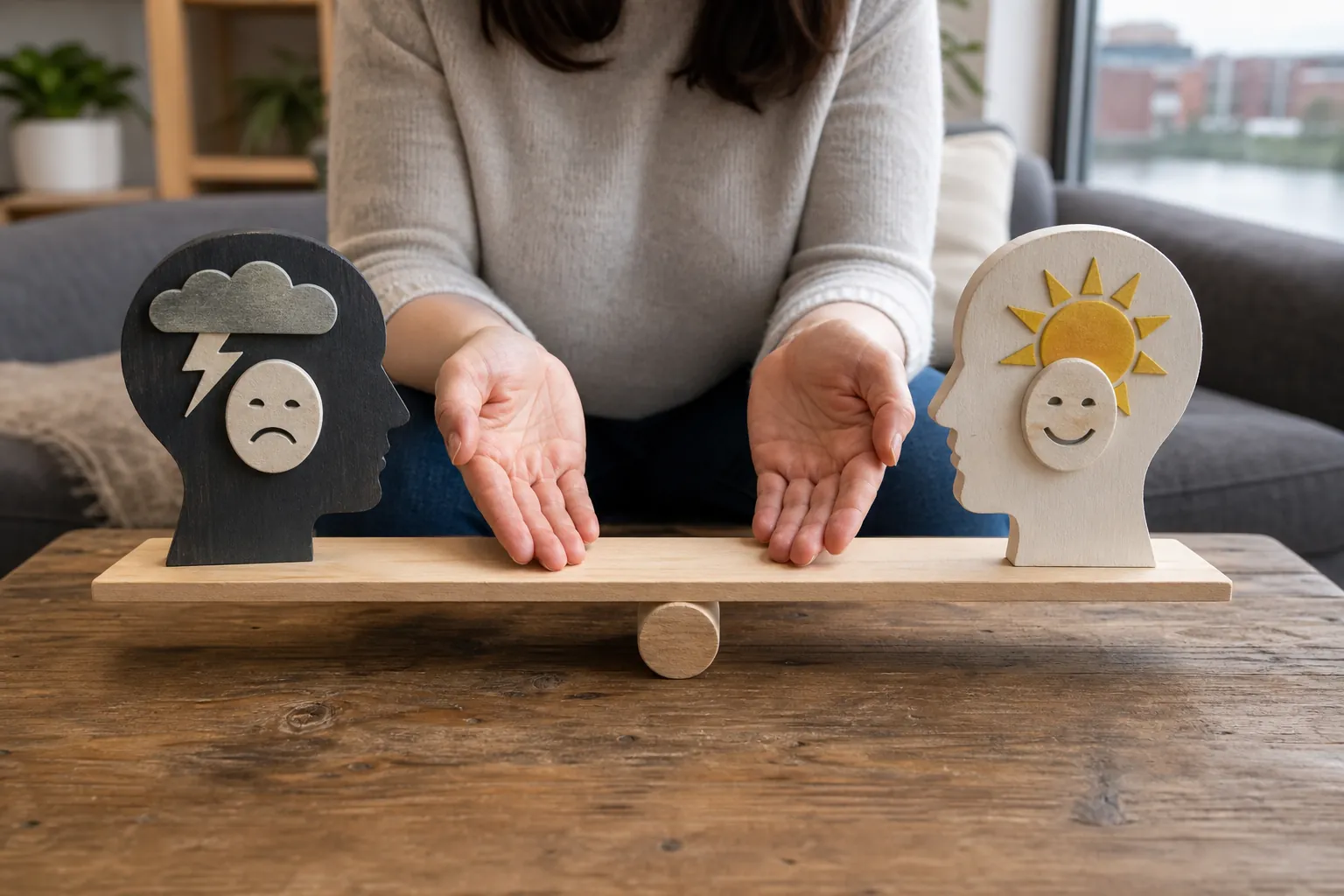
Understanding mental health conditions can be challenging, especially when symptoms overlap. Borderline Personality Disorder (BPD) and Bipolar Disorder are two distinct diagnoses that often get confused due to some similarities in mood and behavior changes. If you or a loved one are experiencing emotional ups and downs, knowing the difference between BPD and bipolar disorder symptoms is an important step toward seeking the right support.
What Is Borderline Personality Disorder (BPD)?
BPD is a mental health condition that primarily affects how a person thinks and feels about themselves and others. It is characterized by intense emotions, unstable relationships, and a fluctuating sense of identity. People with BPD may struggle to manage their emotions and impulses, often feeling misunderstood or isolated.
- Intense fear of abandonment, whether real or perceived
- Unstable or intense relationships that swing between extremes
- Rapid changes in self-image or sense of self
- Impulsive behaviors, such as spending sprees or risky actions
- Chronic feelings of emptiness
- Difficulty controlling anger or intense emotional reactions
- Temporary feelings of paranoia or dissociation under stress

What Is Bipolar Disorder?
Bipolar disorder is a mood disorder that causes significant shifts in mood, energy, and activity levels. These changes are more episodic, with periods of depression alternating with episodes of mania or hypomania. Unlike BPD, the mood swings in bipolar disorder are not typically triggered by interpersonal events and tend to last for days or weeks at a time.
- Episodes of depression, including low mood, loss of interest, and fatigue
- Episodes of mania or hypomania, marked by elevated mood, increased activity, and reduced need for sleep
- Impulsive or risky behavior during manic episodes
- Difficulty concentrating or making decisions
- Changes in appetite or sleep patterns
- Periods of normal mood between episodes

Key Differences Between BPD and Bipolar Disorder Symptoms
While both conditions involve mood changes and impulsive behaviors, there are important differences:
- Duration of Mood Swings: BPD mood shifts are often rapid and triggered by interpersonal events, sometimes lasting hours. Bipolar mood episodes typically last days to weeks and are not always linked to external events.
- Relationship Patterns: People with BPD often have intense, unstable relationships and fear abandonment. Those with bipolar disorder may not experience the same relationship instability.
- Sense of Self: BPD is associated with a chronic unstable self-image, while bipolar disorder usually does not affect identity in the same way.
- Triggers: BPD symptoms are often triggered by perceived rejection or interpersonal stress. Bipolar episodes may occur without clear external triggers.
Why Correct Diagnosis Matters
Receiving the correct diagnosis is essential for effective treatment and support. BPD and bipolar disorder require different approaches to therapy and medication. Misdiagnosis can delay progress and make it harder to manage symptoms. If you are unsure about your symptoms or those of a loved one, seeking a professional evaluation is an important step.
Steps You Can Take If You Are Unsure
- Track Your Symptoms: Keep a journal of your moods, triggers, and behaviors. Note the duration and intensity of mood changes and any patterns you notice.
- Reach Out for Professional Support: A mental health professional can help clarify your symptoms and provide a diagnosis. If you are in Massachusetts, you can learn more about mental health support for adults.
- Involve Trusted Friends or Family: Sometimes those close to you can provide helpful observations about patterns you might not notice.
- Ask Questions: During your evaluation, ask about the differences between BPD and bipolar disorder and how your symptoms fit each condition.
How Support Can Help
Living with BPD or bipolar disorder can feel overwhelming, but you do not have to navigate it alone. Support from mental health professionals, peer groups, and loved ones can make a significant difference. If you are considering your next steps, reaching out for guidance is a positive move toward stability and well-being.
If you have questions or need support in Massachusetts, call 978-233-9597 to connect with someone who can help you explore your options. Taking the first step toward understanding your symptoms can open the door to effective care and a brighter future.
For broader information about finding mental health care, see NIMH guidance on getting help.
Common Challenges in Distinguishing BPD and Bipolar Disorder
Distinguishing between Borderline Personality Disorder (BPD) and Bipolar Disorder can be complicated for both individuals and clinicians. This is partly because both conditions may involve mood instability, impulsive actions, and difficulties in relationships. However, the underlying causes and patterns of these symptoms often differ. For example, someone with BPD may experience rapid mood changes in response to interpersonal stress, while someone with bipolar disorder may have mood episodes that occur independently of specific events.
Another challenge is that symptoms can overlap with other mental health conditions, such as depression, anxiety disorders, or trauma-related issues. This overlap can make it harder to identify the primary diagnosis, especially if someone is experiencing multiple symptoms at once. Additionally, individuals may not always recognize or recall the patterns of their symptoms, which can affect the accuracy of self-reporting during assessments.
It is also common for people to feel uncertain or frustrated during the diagnostic process. The process may involve several appointments, detailed interviews, and sometimes input from family members or close friends. Patience and open communication with mental health professionals are important during this time. Remember that receiving a thorough evaluation can help ensure that any treatment plan is tailored to your specific needs and experiences, leading to more effective support and better long-term outcomes.
