
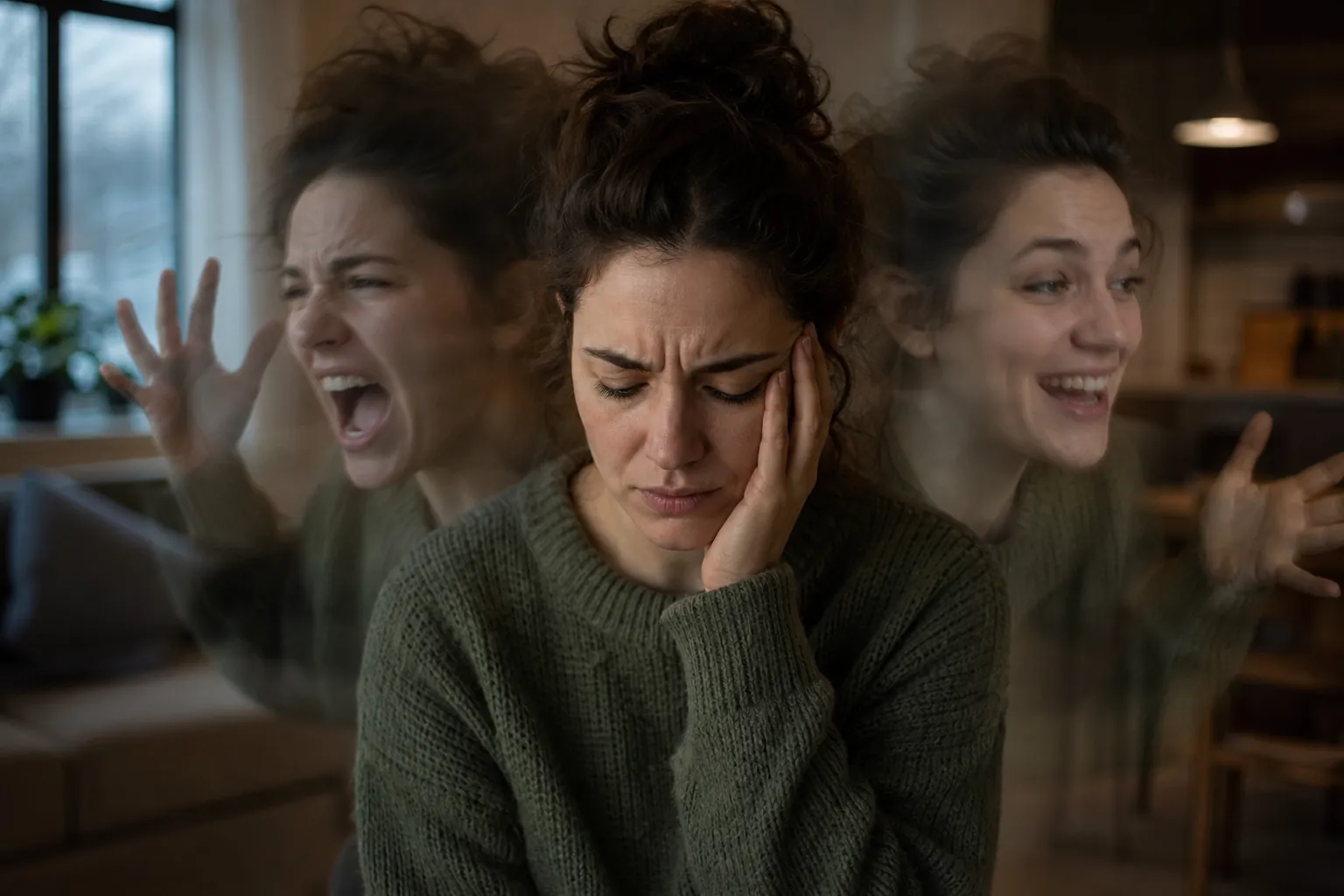
Bipolar disorder is a complex mental health condition that involves shifts in mood, energy, and activity levels. For adults living with bipolar disorder, episodes of mania and depression are common. However, some individuals experience what is known as a mixed episode, where symptoms of both mania and depression occur simultaneously. Recognizing the signs of a mixed episode is essential for seeking timely support and managing symptoms effectively.
What Is a Mixed Episode?
A mixed episode, also called a mixed state, occurs when symptoms of mania and depression happen at the same time or in rapid sequence. This can be particularly distressing and confusing for those experiencing it, as the emotional highs and lows can overlap or shift quickly. Mixed episodes are recognized in both Bipolar I and Bipolar II disorders.

Common Symptoms of Mixed Episodes in Adults
Symptoms of a mixed episode combine features of both manic and depressive episodes. Recognizing these signs can help individuals and their loved ones take the next step toward support. Common symptoms include:
- Agitation or Restlessness: Feeling physically or mentally restless, often unable to relax or stay still.
- Racing Thoughts: Rapid, uncontrollable thoughts that may make it hard to focus or communicate clearly.
- Irritability: Feeling easily frustrated or angered, sometimes out of proportion to the situation.
- Depressed Mood: Persistent feelings of sadness, hopelessness, or emptiness, even while feeling energetic or agitated.
- Impulsivity: Engaging in risky behaviors, such as spending sprees or reckless actions, despite feeling down or hopeless.
- Insomnia: Difficulty falling or staying asleep, or needing little sleep without feeling rested.
- Fatigue: Feeling physically and emotionally drained, despite periods of high energy or activity.
- Suicidal Thoughts: Experiencing thoughts of self-harm or suicide, which can be especially concerning during mixed episodes.
It is important to note that not every mixed episode will look the same. Some individuals may experience more prominent manic symptoms, while others may feel more depressed. The combination can make it difficult to recognize or describe what is happening, leading to confusion or distress.

Why Prompt Recognition Matters
Mixed episodes can increase the risk of impulsive decisions and self-harm. Because the symptoms of mania and depression are present together, individuals may feel energized but hopeless, or agitated but deeply sad. This combination can make mixed episodes particularly challenging to manage without support. Recognizing the signs early allows for timely intervention and can help prevent complications.
Concrete Steps to Take If You Notice Mixed Episode Symptoms
If you or a loved one is experiencing symptoms of a mixed episode, consider these practical steps:
- Reach Out for Support: Talk to a trusted friend, family member, or mental health professional about what you are experiencing.
- Track Symptoms: Keep a journal of your mood, energy levels, sleep patterns, and any concerning behaviors. This information can help guide treatment decisions.
- Prioritize Safety: If you have thoughts of self-harm or suicide, seek immediate help from a professional or call emergency services.
- Consult a Mental Health Provider: Professional evaluation is essential for accurate diagnosis and to discuss treatment options.
- Explore Supportive Programs: Structured mental health programs can provide guidance, coping strategies, and a supportive environment for recovery. Learn more about available options in Massachusetts by visiting this resource.
How Support Can Make a Difference
Managing bipolar disorder, especially mixed episodes, can be overwhelming without the right support. Connecting with mental health professionals can provide a clear path forward. Supportive programs in Massachusetts are designed to help adults manage symptoms, build coping skills, and improve quality of life. Taking the first step to reach out can make a meaningful difference in your recovery journey.
Contact for Guidance and Support
If you are concerned about mixed episode symptoms or need guidance, you are not alone. Call 978-233-9597 to speak with someone who can help you explore your options and take the next steps toward wellness.
Recognizing the symptoms of a mixed episode is an important step toward managing bipolar disorder. With timely support and the right resources, adults in Massachusetts can find hope and stability on their mental health journey.
For broader information about finding mental health care, see NIMH guidance on getting help.
Understanding the Emotional Impact of Mixed Episodes
Mixed episodes can have a profound emotional impact on adults living with bipolar disorder. The simultaneous presence of manic and depressive symptoms often leads to feelings of confusion and frustration, as individuals may struggle to make sense of their rapidly shifting emotions. This internal conflict can make it challenging to communicate needs or seek help, especially when energy and motivation levels fluctuate unpredictably. Many people describe feeling "stuck" between extremes, unable to find relief from either set of symptoms. This can contribute to a sense of isolation or being misunderstood by others, even close friends or family members.
It is common for adults experiencing mixed episodes to feel overwhelmed by the unpredictability of their mood and behavior. Everyday activities, such as work responsibilities, social interactions, or self-care routines, may become more difficult to manage. The overlap of agitation and sadness can also affect relationships, as loved ones may not always recognize the complexity of what is happening. Open communication and patience are important during these times, both for those experiencing mixed episodes and for their support networks.
Recognizing the emotional toll of mixed episodes is a vital part of the recovery process. By acknowledging these challenges, individuals and their loved ones can approach the situation with greater empathy and understanding. This awareness can also help guide conversations with mental health professionals, ensuring that emotional needs are addressed alongside symptom management.
